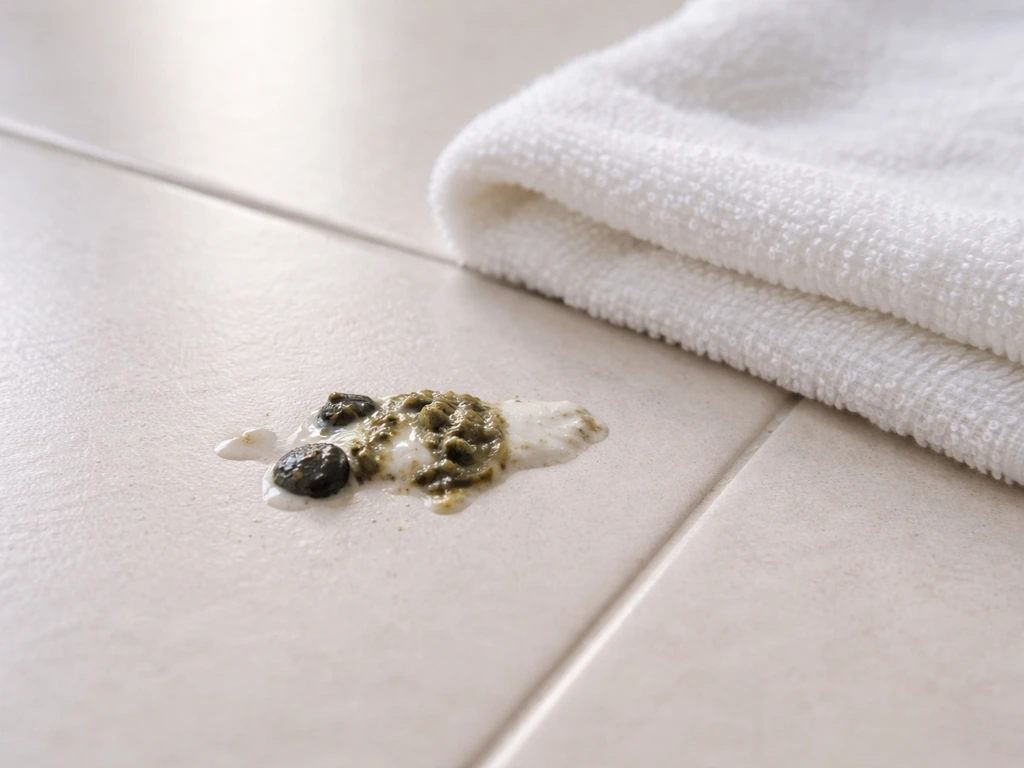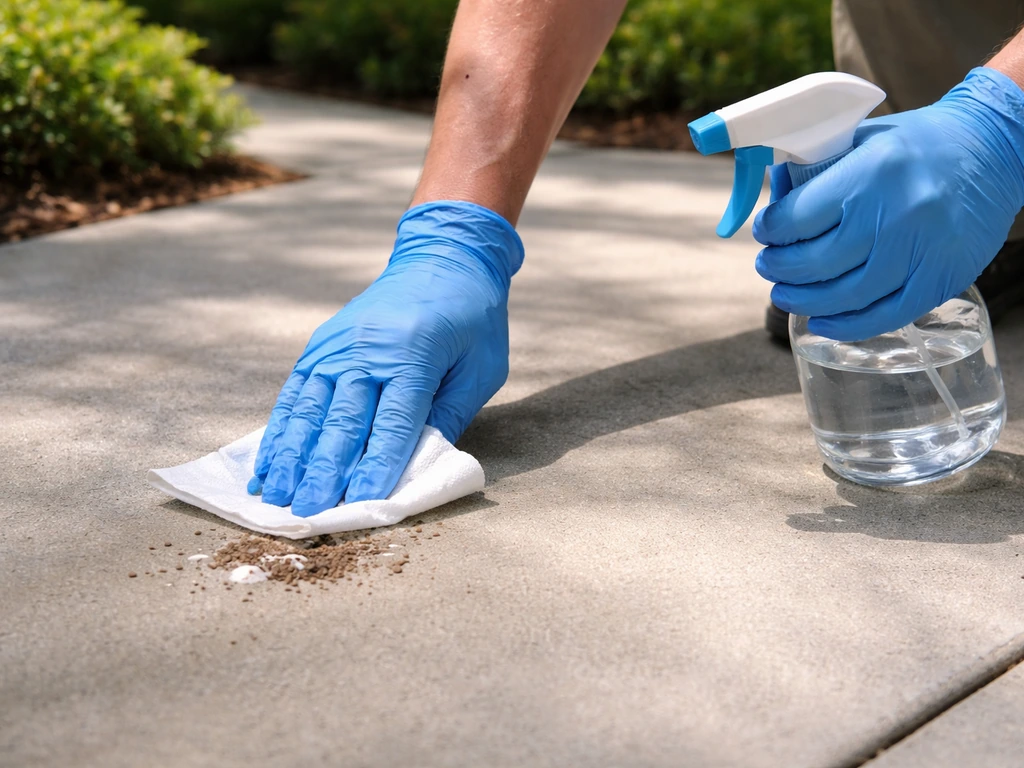
Bird poop is not good for your hair. It contains uric acid, bacteria, and potential fungal spores that can irritate your scalp, strip moisture, and in rare cases cause a real infection. If a bird just scored a direct hit on your head, the practical move is to rinse it out with water and shampoo as soon as possible, not to sit with it and hope for a beauty miracle.
Is Bird Poop Good for Your Hair? Risks and Safe Cleanup

Marcus Fielding
12 Jun 2026
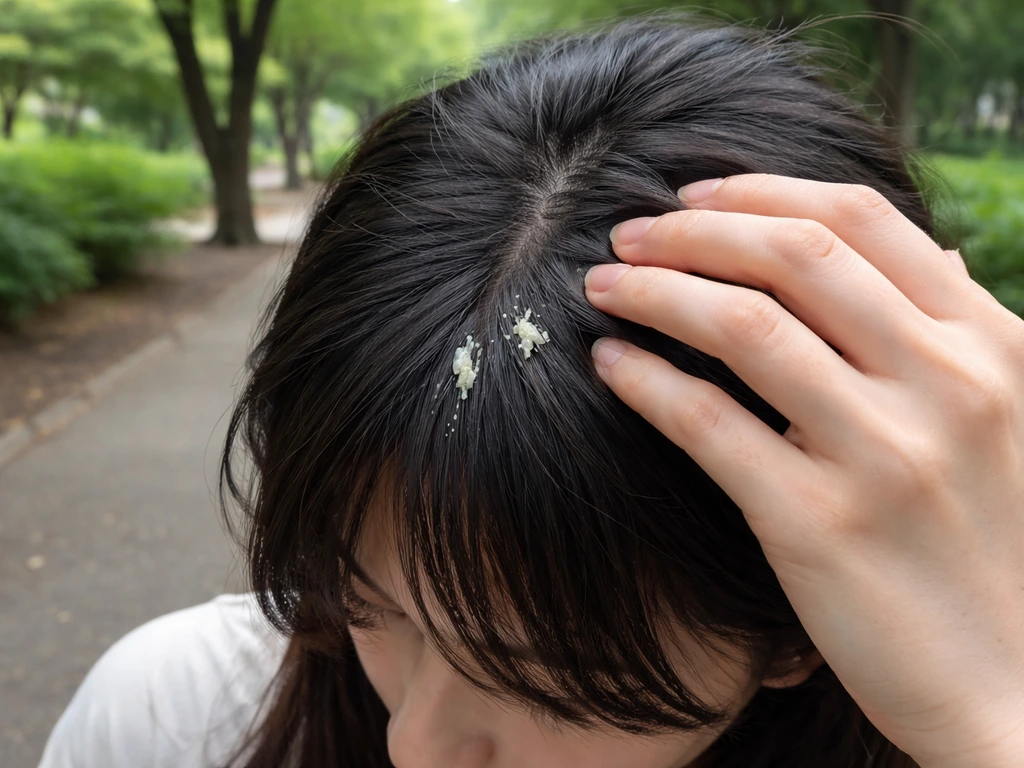
Why people think bird poop helps hair (and what's actually in it)
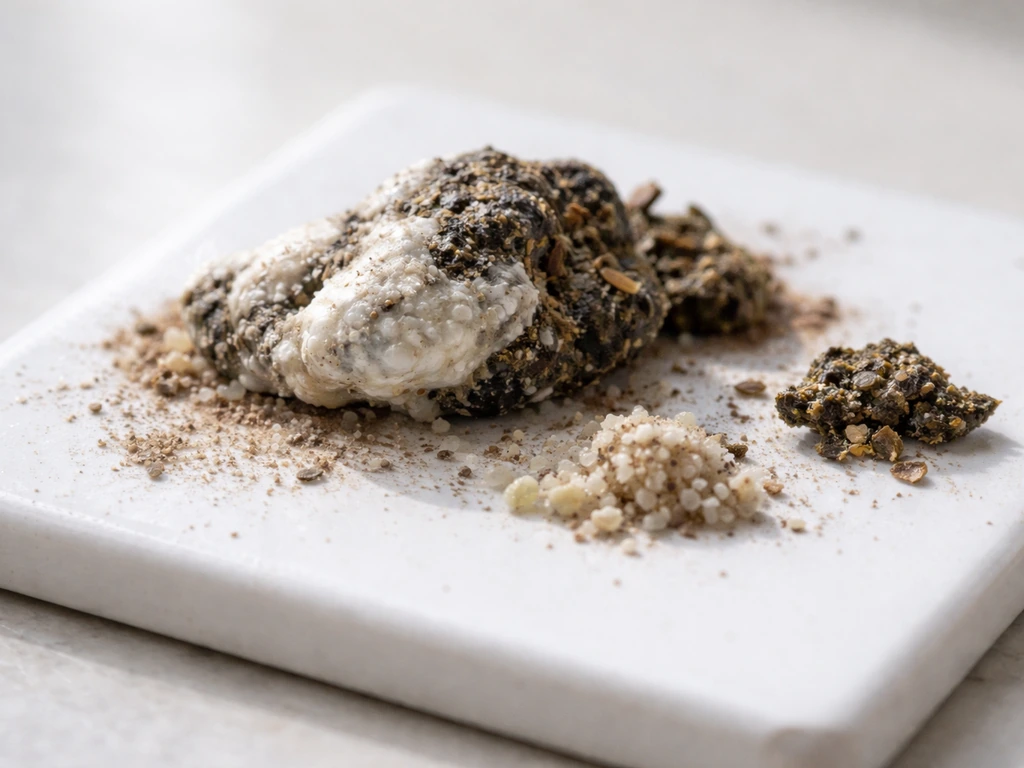
The idea that bird droppings are some kind of hair treatment mostly traces back to uguisu no fun, a traditional Japanese facial and skin treatment that uses the dried, powdered droppings of Japanese nightingales. It was historically used by geisha and kabuki performers to remove heavy white makeup, and its reputation eventually spread into Western beauty circles with claims that it brightens skin and softens hair. That's where the folklore collides with the chemistry.
Here's what bird droppings actually contain. Birds don't urinate separately the way mammals do. Instead, they excrete nitrogenous waste as [uric acid, which forms the white, chalky portion you see in droppings. ](https://www.
britannica. com/story/do-birds-pee) The darker portion is fecal matter, and the whole package can also contain bacteria, fungi, parasites, and viruses depending on the bird's health and environment. Uric acid is a weak acid, but it's still an acid, and it bonds stubbornly to surfaces because of its chemical composition. That's the same reason bird poop is notoriously hard to clean off your car, and it's worth thinking about what that means when it's sitting on your scalp.
You might also wonder if chlorine can kill bird poop, but bird droppings should be removed with water and shampoo instead sitting on your scalp.
The mild enzymatic activity in some formulated bird-poop beauty products comes from controlled, sanitized, and standardized preparations, not from fresh droppings landing on your head in a parking lot. The two situations are completely different. Whatever marginal benefit the uguisu no fun tradition might have in a carefully prepared, sterilized form has nothing to do with wild bird waste.
What bird poop can actually do to your hair and scalp
Your scalp is skin, and skin reacts to irritants. But bird poop can also burn or irritate skin, especially if it dries and sits there for a while irritants. Published clinical reports document contact dermatitis following exposure to bird excrement, meaning the droppings can trigger an inflammatory reaction ranging from redness and itching to more significant irritation. For people with sensitive skin or any existing scalp condition like seborrheic dermatitis or eczema, even brief exposure can aggravate a flare.
The uric acid content is the main concern for your hair itself. Prolonged contact with an acidic substance can disrupt the outer cuticle layer of your hair shaft, leaving strands more porous, rough, and prone to breakage. This is especially true if the droppings dry and sit on the hair for any length of time. Fresh droppings are easier to remove without damage; dried, crusted droppings that you try to scrape off are a different story and can physically snap fine or fragile hair.
If bacteria from the droppings get into a hair follicle, there's a genuine risk of folliculitis, which is an inflammation or infection of the follicle that can cause tender red bumps or pustules on the scalp. This is more likely if you have any small cuts, abrasions, or already-inflamed skin. It's not a guaranteed outcome from a single exposure, but it's a real possibility that becomes more likely the longer the material stays on your skin.
The real health risks you shouldn't ignore
Beyond your hair, bird droppings carry a few risks that are worth taking seriously, especially depending on the circumstances. If you are wondering about outdoor lawn care, the same waste can also raise questions like does bird poop kill grass. Bird droppings can also harm plants by introducing bacteria, fungi, and nutrients that may burn or stress leaves.
Inhalation risk: histoplasmosis
The biggest concern with bird droppings isn't usually skin contact, it's breathing in contaminated dust. Histoplasmosis is a lung infection caused by inhaling spores of the fungus Histoplasma, which can be present in environments where soil or surfaces are contaminated with bird or bat droppings. The CDC is clear that the risk comes from disturbing dried droppings and creating airborne dust. For a single fresh dropping in your hair, this isn't your main worry. But if you're in a space with a heavy accumulation of dried bird droppings (an attic, a barn, under a roosting area) and you're disturbing that material, inhalation is the primary hazard.
Other zoonotic concerns
Salmonella, Campylobacter, and Chlamydophila psittaci (which causes psittacosis) can all be present in bird feces. Bird flu viruses have also been detected in droppings from infected birds. The CDC advises avoiding stirring up dust, waste, or feathers to prevent virus dispersal, and recommends washing hands with soap and running water after any contact with birds or their droppings. Eye and mouth exposure (say, rubbing your face after touching contaminated hair) are realistic transmission routes for these pathogens.
Higher-risk groups
For most healthy adults, a bird dropping in your hair is an unpleasant nuisance that's easy to handle safely. But if you're pregnant, immunocompromised, caring for a young child, or elderly, the stakes are higher. Children in particular touch their hair and then touch their mouths constantly, which makes the wash-it-out-immediately advice even more urgent. If a child has significant scalp contact with droppings, watch for any signs of skin irritation over the following day or two and consult a doctor if anything looks inflamed or infected.
What to do right now if bird poop landed in your hair
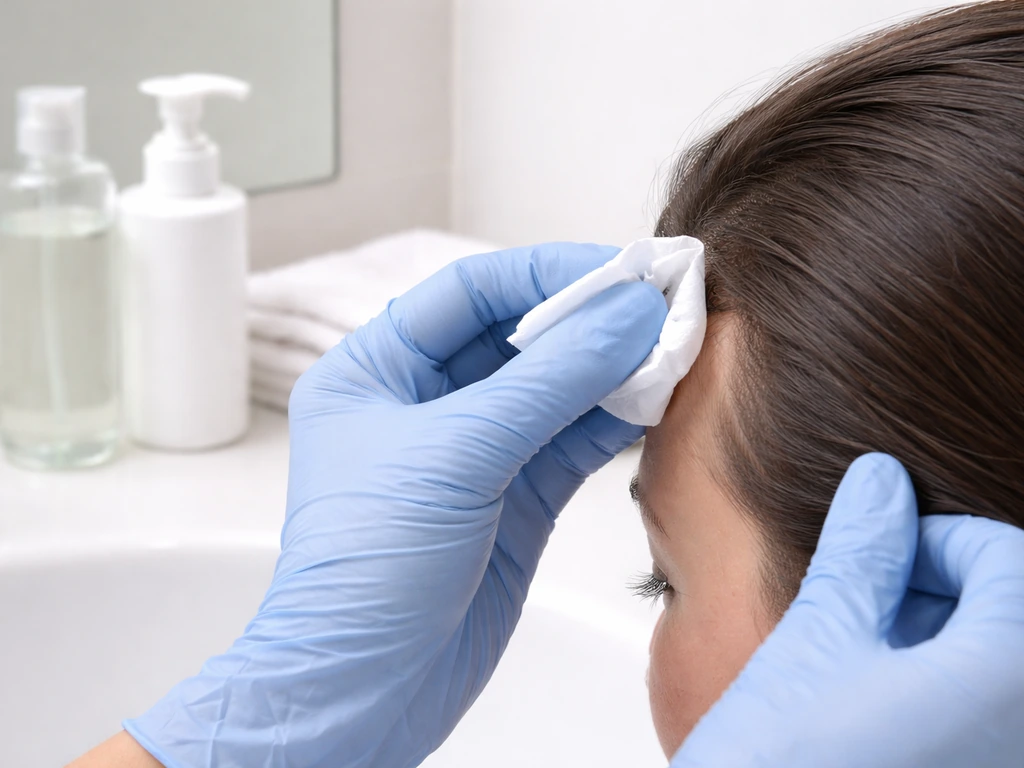
The steps below cover a fresh exposure. If you're dealing with a large accumulation of dried droppings in an enclosed space rather than a single incident, that's a different situation requiring proper PPE and wet-method cleanup to avoid creating dust.
- Don't rub it in. If the dropping is fresh and still moist, try to remove as much as possible by gently blotting or scraping with a tissue or damp cloth before it spreads through more of your hair.
- Rinse with cool or lukewarm water as soon as possible. Avoid hot water, which can open the hair cuticle and potentially let contaminants penetrate more deeply. Rinse thoroughly to flush the material away from the scalp.
- Wash with a gentle shampoo. Lather well, paying attention to the affected area, and rinse completely. You don't need a special product for this step, just a clean shampoo you already use.
- Wash your hands with soap and running water. Do this before and after touching your hair. The CDC specifically recommends this step after any contact with birds or droppings.
- Avoid touching your face, eyes, or mouth until your hands are clean. This is how pathogens typically transfer from droppings to mucous membranes.
- Check your scalp later that day and the next day. Look for any redness, tenderness, itching, or small bumps that weren't there before.
- See a doctor if you develop a rash, persistent itching, scalp sores, or any symptoms like fever or respiratory issues in the days following exposure, especially if you were around a large concentration of droppings.
If the dropping landed near your eyes or mouth, rinse those areas with clean water immediately and call a healthcare provider or poison control for guidance. That's a different level of exposure than a scalp incident.
What actually works for your hair (evidence-based alternatives)
If you're looking for bird poop as a hair treatment, you're probably dealing with one of a few things: a dry, irritated scalp, dull or damaged hair, or persistent dandruff. All of these have well-studied, actual solutions.
| Hair/Scalp Concern | Evidence-Based Option | Notes |
|---|---|---|
| Dandruff / seborrheic dermatitis | Ketoconazole 1% or 2% shampoo | FDA-approved; recommended by AAD and Mayo Clinic; highly effective at controlling flares when used regularly |
| Scalp fungal issues | Ciclopirox 1% shampoo | Dermatologist-prescribed alternative to ketoconazole for seborrheic dermatitis |
| Dry, damaged hair | Moisturizing conditioner with humectants (glycerin, panthenol) | Restores moisture to the cuticle without irritating the scalp |
| Scalp irritation or inflammation | Fragrance-free, sulfate-free gentle shampoo | Reduces chemical irritation; appropriate for sensitive skin |
| General scalp health | Regular, thorough cleansing on a schedule that matches your hair type | Prevents product and sebum buildup that feeds yeast populations on the scalp |
| Persistent scalp problems | Dermatologist consultation | Scalp issues should be diagnosed correctly before treatment, not addressed with improvised substances |
The dermatology consensus is straightforward: scalp conditions need correct diagnosis and targeted treatment. The American Academy of Dermatology is clear that antifungal shampoos like ketoconazole are the go-to for seborrheic dermatitis and dandruff, and a dermatologist can distinguish between that, folliculitis, contact dermatitis, and other conditions that might look similar. Mayo Clinic lists medicated shampoos, creams, and lotions as main treatments for seborrheic dermatitis, including options such as 2% ketoconazole or 1% ciclopirox depending on the person antifungal shampoos like ketoconazole are the go-to for seborrheic dermatitis and dandruff. Putting something like bird droppings on an already-irritated scalp doesn't just fail to treat the underlying issue, it actively risks making it worse.
It's also worth noting that the question of what's good or harmful for skin (including scalp skin) comes up in similar ways for other types of bird dropping exposure. The skin and scalp irritation risks here share a lot in common with what people ask about bird poop on general skin contact. If you're curious about that angle specifically, that's a closely related topic.
The bottom line
Bird poop is not a hair treatment. It contains uric acid, bacteria, and potential pathogens that can irritate your scalp, damage your hair cuticle, cause contact dermatitis, and in certain circumstances pose genuine infection risks. The cultural history around bird dropping beauty treatments involves tightly controlled, sanitized preparations that bear no resemblance to what lands on your head from a passing pigeon. If it just happened to you today: rinse, shampoo, wash your hands, and check your scalp for irritation over the next day or two. For your actual hair health, there are proven, safe, and far less unpleasant options available.
FAQ
How fast should I rinse and wash if bird poop lands on my hair?
Aim to remove it immediately, rinse with cool or lukewarm water first, then wash with shampoo. Letting it sit until it dries increases both scalp irritation risk and cuticle damage from uric acid.
Is scraping the poop off dry hair ever a good idea?
Not really. Crusted droppings are more likely to physically snag and snap strands, especially fine, color-treated, or already-fragile hair. Wet the area to soften, rinse, then shampoo.
Can I neutralize bird poop with vinegar or baking soda before shampoo?
Avoid “home neutralizers.” Bird droppings may contain organisms, and mixing household acids or bases can spread irritation. Water rinse plus shampoo is the safer, simpler approach.
Does bleach or chlorine work better than shampoo for cleanup?
No for hair. Chlorine and similar chemicals can further irritate scalp skin and damage hair, and they do not address the broader issue of pathogens. Use water rinse and shampoo instead.
What if I got bird poop on my scalp but it spread into my hairline or near my ears?
Rinse thoroughly along the hairline, behind the ears, and at the neck where runoff can collect. Use a second shampoo pass if you feel residue, then rinse until the water runs clear.
Should I wash twice, and how do I know residue is gone?
Yes, consider two passes if the contact was more than a tiny spot. After rinsing, check for a chalky feel and any lingering odor or stickiness. If either remains, do another gentle shampoo rinse.
Is it safe to use conditioner right after cleanup?
Conditioner is usually fine after the area is fully rinsed and shampooed, but if you have stinging, redness, or itch, skip leave-on products until the scalp calms down to reduce friction and irritation.
What symptoms after exposure mean I should seek medical advice?
Get care if you develop spreading redness, worsening pain, significant swelling, pus-filled bumps, fever, or eye symptoms. If you have known scalp conditions like eczema or seborrheic dermatitis, consult sooner if a flare is starting.
How long should I monitor my scalp after a bird poop incident?
Watch for irritation over the next 24 to 48 hours, especially itch, burning, scaling, or new bumps. If symptoms don’t improve or worsen, consider a clinician or dermatologist evaluation.
What should I do if bird poop touched my eyes or mouth instead of only my hair?
Rinse the eye or mouth area with clean water immediately. For eye exposure or if you cannot remove residue, contact a healthcare provider or poison control for individualized guidance.
Is the risk higher for kids, pregnant people, or immunocompromised adults?
Yes. Children are more likely to touch their hair and then touch their mouth or rub their face, and immunocompromised people may be at higher risk from infection. Prioritize immediate washout, close supervision of hand hygiene, and faster medical advice if irritation appears.
What’s the right way to clean it if I was in a room with lots of dried bird droppings?
Treat that as an accumulation problem. Use a wet-cleaning method and appropriate PPE, avoid sweeping or vacuuming that creates dust, ventilate the area, and if the space is heavily contaminated consider professional help.
Can bird poop cause dandruff or persistent flakes?
It can irritate the scalp and trigger or worsen inflammation, which might look like dandruff. If flakes persist beyond a couple of days after thorough washing, it is more likely a treatable condition like seborrheic dermatitis that needs proper diagnosis.
If I’m getting a bump or follicle issue, should I try a home remedy?
If you get tender red bumps or pustules, avoid trying to “soak and treat” with harsh DIY mixtures. A clinician can distinguish folliculitis from contact dermatitis and recommend targeted treatment.
What should I do with towels, combs, and hats that might have contacted droppings?
Wash fabric items promptly with detergent and hot water if the material allows. Rinse combs and brushes well, then wash with soap and warm water (or disinfect according to the manufacturer), and avoid sharing items until cleaned.