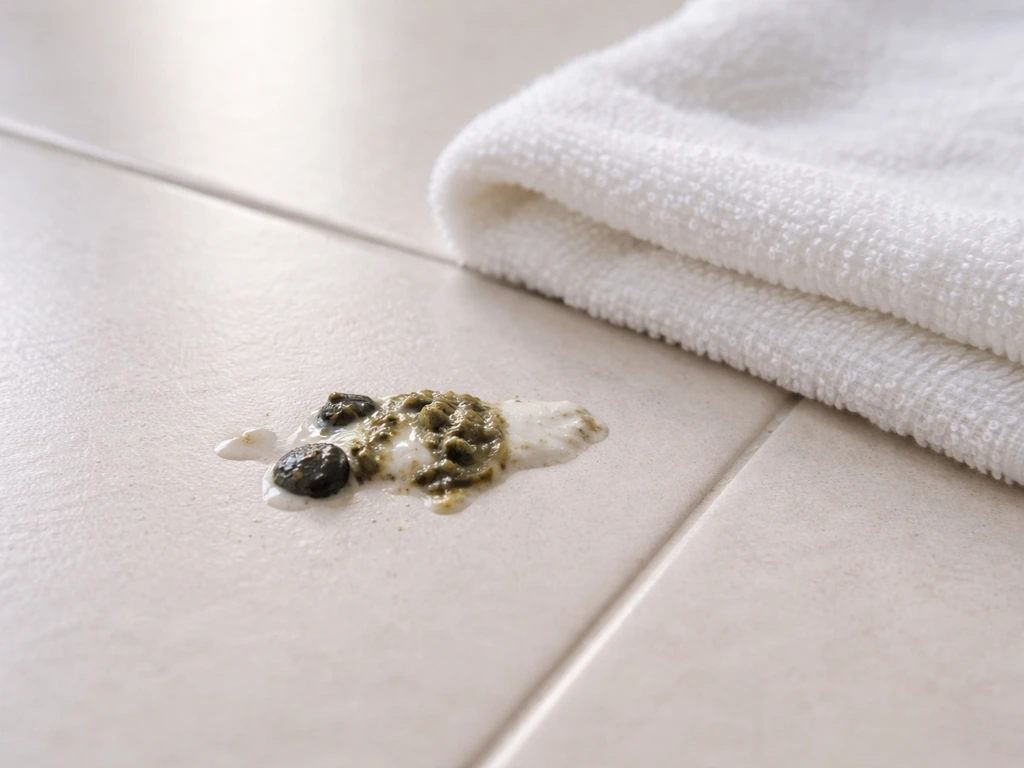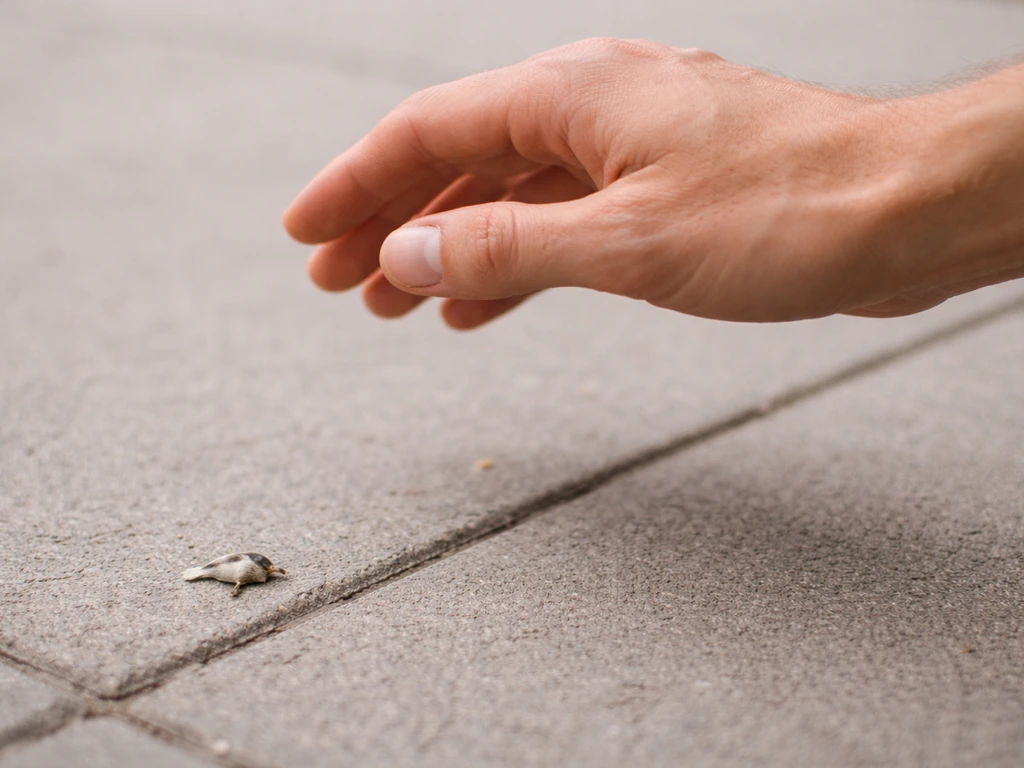
Bird poop rarely kills a healthy, established plant outright, but it absolutely can burn leaves and roots, and if droppings pile up in the same spot repeatedly, the damage gets serious fast. Yes, bird poop can kill grass when droppings repeatedly build up and cause nitrogen and salt toxicity in the turf. The real culprit is concentrated nitrogen, mostly in the form of uric acid, which acts a lot like an overdose of fertilizer. A single splat on a big outdoor shrub? Probably fine with a rinse. A winter's worth of droppings building up in a potted plant on your balcony? That's a different story.
Does Bird Poop Kill Plants? Effects, Safety, and Fixes Today

Marcus Fielding
17 Jun 2026
How bird poop actually affects plants (burn vs. kill)
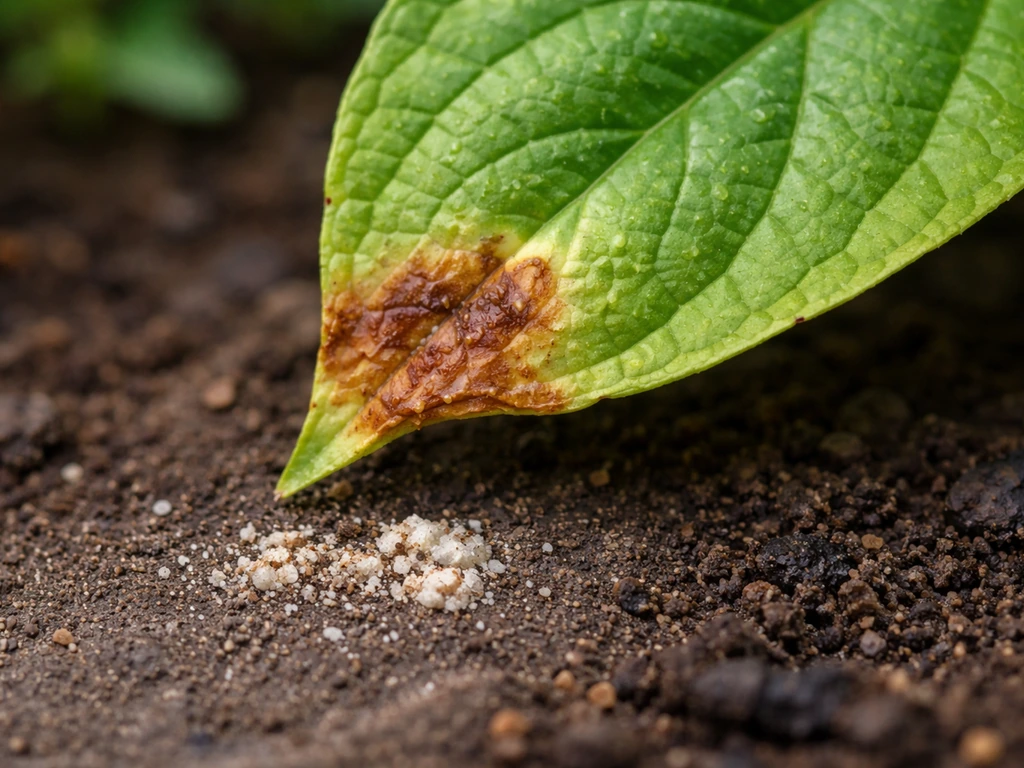
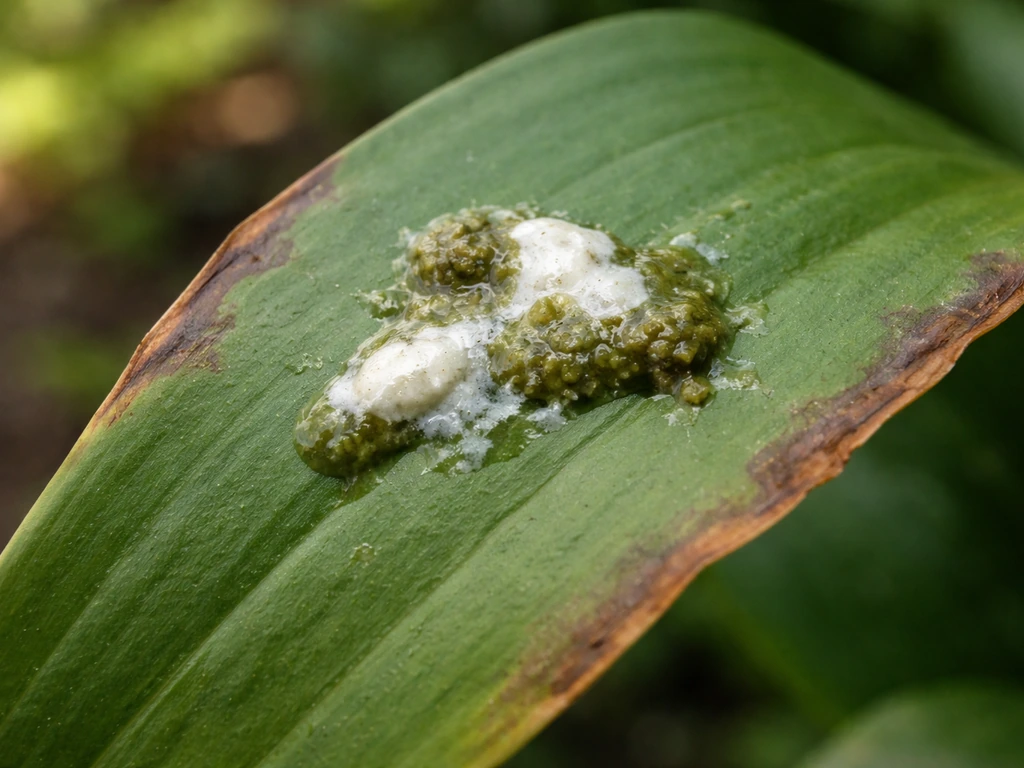
The short version is this: bird droppings damage plants the same way over-fertilizing does. Seabird guano contains roughly 11 to 21% nitrogen by weight, and around 80% of that nitrogen is uric acid. When uric acid and ammonia compounds land on leaves or soak into soil, they can scorch leaf tissue on contact and blank" rel="noopener noreferrer">overwhelm roots with excess salts and nitrogen, pulling water out of plant cells through osmotic pressure. That's fertilizer burn, and it's a well-documented plant injury mechanism. So when someone says bird droppings killed their plant, what usually happened is that droppings built up long enough to cause cumulative nitrogen and salt toxicity, not that one dropping was lethal.
There's also a pH angle. Heavy guano deposits can acidify the soil around a plant, and in concentrated enough doses, they've been shown in ecological studies to deplete plant cover entirely, creating what researchers describe as dead zones around nesting colonies. That's an extreme case, but it shows the mechanism is real.
What about the popular idea that bird poop is good fertilizer? It's not entirely wrong. In small, diluted amounts, droppings do add nitrogen, phosphorus, and other nutrients to soil, and people have used guano as a fertilizer for centuries. But 'small and diluted' is doing a lot of work in that sentence. A controlled application of aged, processed guano is completely different from fresh, concentrated droppings sitting on a leaf or pooling in a container pot with limited drainage. The 'good fertilizer' claim is only reliable under the right conditions, and those conditions rarely describe what's happening on your balcony planter.
Why buildup is the real danger
A single fresh dropping on a large-leafed tropical or a mature garden shrub is low risk. The problem scales up quickly with repeated exposure. Container plants are especially vulnerable because they have limited soil volume, restricted drainage, and nowhere for the excess nitrogen and salts to go. Seedlings and young transplants are also at much higher risk than established plants, because their root systems are small and their leaf tissue is tender. If you've got a popular bird perch directly above a raised bed of seedlings, that's a genuinely bad combination.
The other factor is whether droppings are landing on leaves or making it into the soil. Foliar contact burns tissue at the point of contact, similar to how liquid urea-ammonium nitrate fertilizer scorches leaf surfaces when it touches them. Soil accumulation is slower but potentially more damaging to roots over time, especially in containers. Both pathways matter, but they show up differently as symptoms.
How to tell if your plant is actually damaged
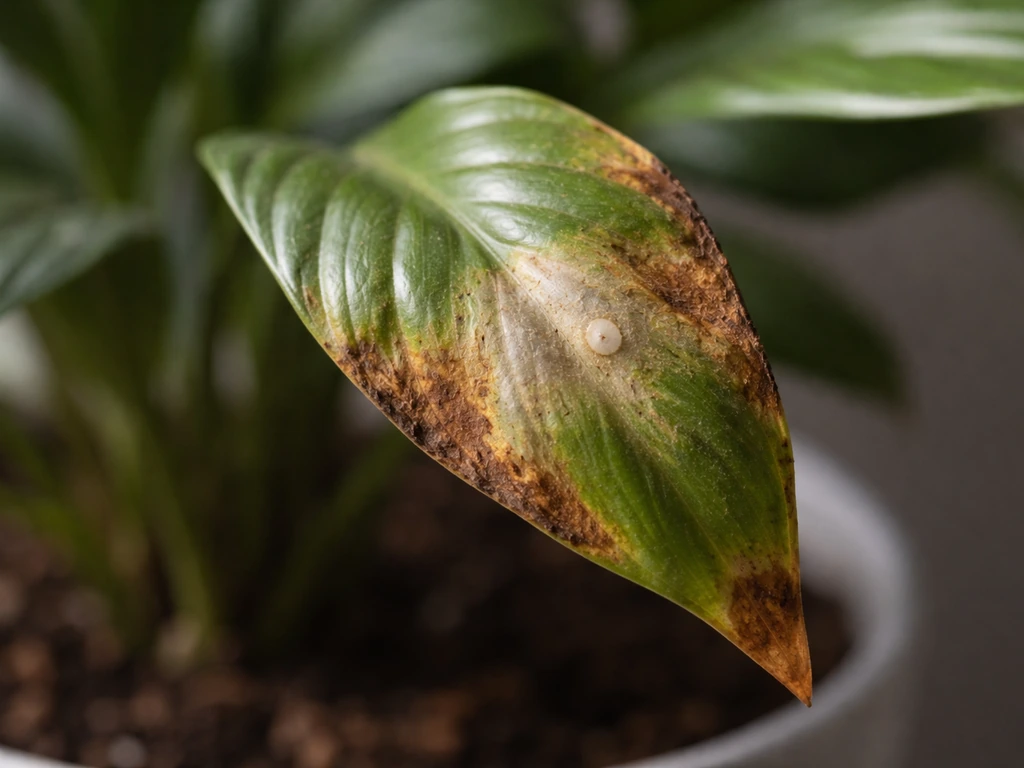
Fertilizer burn from bird droppings looks a lot like any other nitrogen or salt injury. Here's what to look for:
- Brown or tan scorched patches on leaves, especially at the tips or edges, sometimes bleached or necrotic at the center of where a dropping landed
- Yellowing that starts at leaf margins and moves inward (a sign of root stress from salt or nitrogen overload)
- Wilting despite adequate soil moisture, which can indicate root damage affecting water uptake
- Stunted or distorted new growth, particularly in seedlings
- White crusty residue on the soil surface of container plants, which suggests salt buildup
- Evenly distributed damage across the plant rather than patchy irregular spots (fertilizer burn tends to be uniform; disease and insect damage is usually irregular)
If you only see one or two burned spots on leaves and the rest of the plant looks normal, you're likely looking at localized contact burn from a single dropping, not systemic damage. If the whole plant looks stressed and you've noticed droppings building up for weeks, the roots may be involved. Check the soil too. If it smells strongly of ammonia or looks crusted near the base of the plant, that's a sign of buildup that needs addressing.
What to do today: cleaning droppings off plants safely
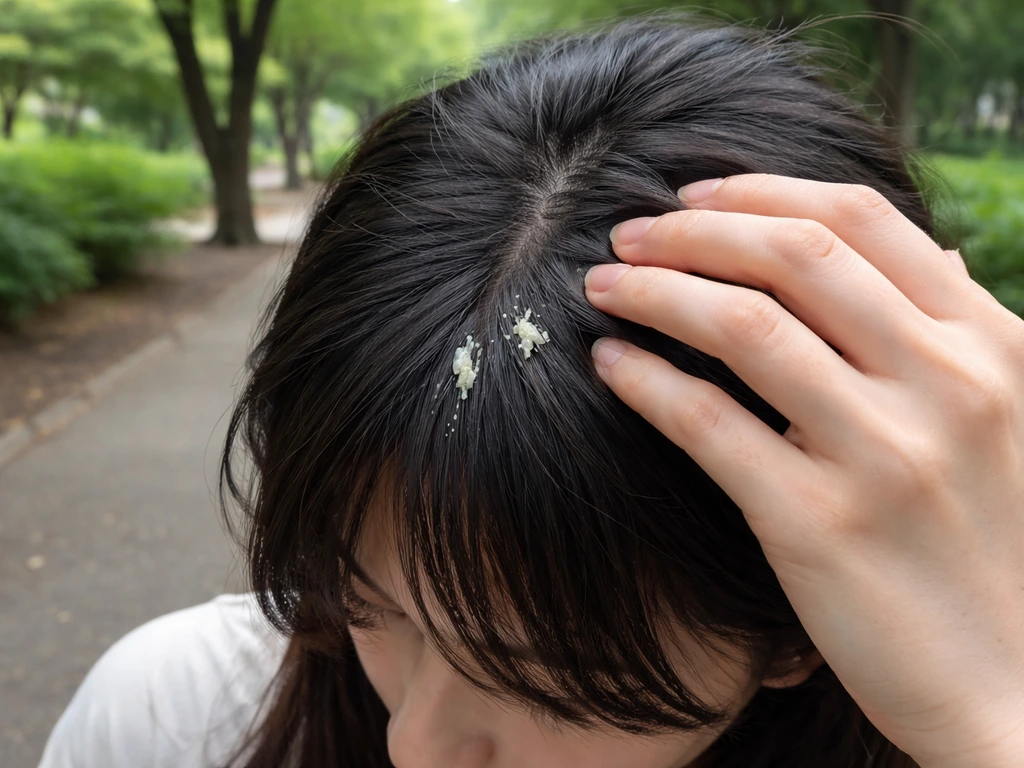
The goal with fresh or recent droppings is to remove them before they dry out and before the uric acid has time to work into leaf tissue or soil. Bird droppings are sometimes discussed online for hair, but evidence is limited and they can carry irritation and pathogens, so it's best to avoid using them on your scalp is bird poop good for your hair. Here's how to handle it depending on your situation.
For potted and container plants
- Remove any visible droppings from leaves using a damp cloth or paper towel. Work gently so you don't grind the material into the leaf surface.
- Rinse the leaves thoroughly with plain water from a watering can or gentle hose setting. Avoid high-pressure spraying, which can spread contaminated material.
- If droppings have been accumulating in the soil for a while, flush the container thoroughly by watering deeply and letting the excess drain out of the bottom. Do this two or three times over a few days. This dilutes and leaches out excess nitrogen and salts.
- For heavy buildup in a small pot, consider repotting into fresh potting mix if the plant is showing root stress symptoms.
- Remove any leaves that are more than 50% burned or necrotic. The plant can recover from partial leaf damage, but badly damaged leaves won't recover and can invite secondary issues.
For outdoor garden plants and beds
- Rinse affected leaves with a garden hose on a gentle setting as soon as possible after you notice droppings.
- For droppings on the soil surface, water the area thoroughly to dilute and move the nitrogen away from the root zone.
- If there's a concentrated deposit (such as under a regular roosting spot), scrape off the top layer of soil around the plant and replace with fresh compost or soil before watering in.
- Avoid disturbing dried droppings without first wetting them down. Dried droppings can release dust and particles into the air, which is both a health risk for you and unnecessary dispersal of the material.
How long recovery takes, and watering tips
If you caught the problem early and the damage is mostly superficial leaf burn, a healthy established plant will typically recover within two to four weeks with good conditions. New growth will emerge undamaged as long as you've removed or diluted the source of the injury. Severely stressed container plants or young seedlings with significant root damage may take longer, or may not fully recover if damage was extensive.
After cleanup, water consistently and at the base of the plant rather than overhead, at least for the first week or two. This gives damaged leaf tissue a chance to dry and limits the risk of secondary fungal issues on leaves that are already compromised. Don't apply any additional fertilizer during recovery. The plant already has excess nitrogen to deal with, and adding more will make things worse. Hold off on fertilizing for at least four to six weeks after a significant droppings exposure.
Preventing droppings from reaching your plants
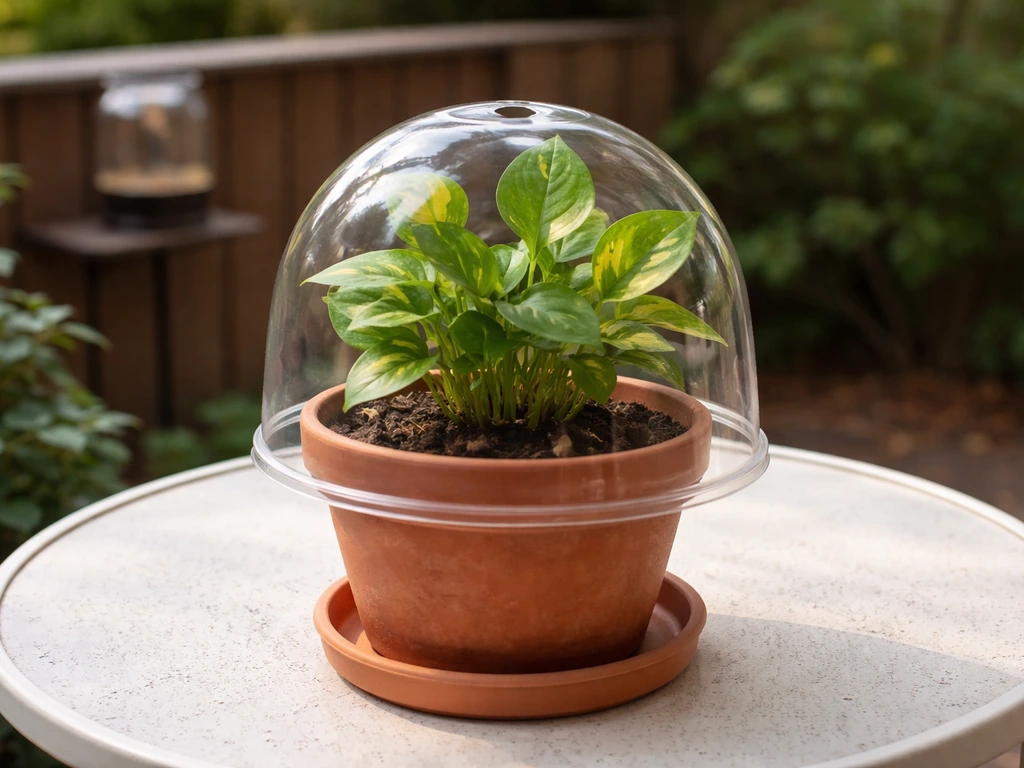
If you have a recurring problem, removing or rinsing droppings every time they appear gets old fast. These practical steps reduce contact in the first place.
- Move potted plants away from known bird perches, ledges, wires, and feeders. Even shifting a pot a few feet can make a big difference.
- Use physical barriers like netting, row cover fabric, or cloches over seedling beds and vulnerable container plants.
- If you use a bird feeder, keep it away from garden beds and expect a zone of dropping concentration directly beneath it. Anecdotal reports from gardeners consistently show that grass and plants under feeders suffer the most.
- Install bird deterrents near plants you care about: reflective tape, bird spikes on ledges above planters, or motion-activated water sprayers are all options.
- Rinse exposed plants during regular watering as a routine practice, rather than waiting until visible damage appears.
- For balcony gardens, a light shade cloth or temporary cover during peak roosting times (early morning and evening) can significantly reduce droppings contact.
Protecting yourself during cleanup
Bird droppings can carry pathogens including Histoplasma, Cryptococcus, Salmonella, and in current conditions, avian influenza is a real consideration. While bird droppings are mainly discussed as a garden issue, some people do wonder whether bird poop is good for your skin. This doesn't mean every bit of garden cleanup is high-risk, but it does mean basic precautions matter, and they're easy to take. California Department of Public Health guidance for H5N1 worker protection recommends using NIOSH-approved respirators along with gloves and eye protection, and avoiding contact with droppings and litter from potentially infected birds blank" rel="noopener noreferrer">basic precautions matter.
- Always wear disposable gloves when handling droppings or soil contaminated with droppings. The CDC recommends this explicitly.
- Wet the droppings down before you disturb them. Never dry sweep or use compressed air on dried droppings. Dried bird feces can release fine particles and dust into the air that you then breathe in, and that's the main exposure route for several respiratory diseases.
- If you're cleaning up a large accumulation, such as under a roost or inside a shed, wear an N95 respirator or a well-fitting mask. The CDC recommends this for cleanup situations where aerosol risk is elevated.
- After cleanup, wash your hands thoroughly with soap and running water, even if you wore gloves.
- Dispose of gloves, paper towels, and contaminated material in a sealed bag before binning.
- For disinfecting tools and surfaces, a bleach solution of 1 part bleach to 9 or 10 parts water is the standard recommendation from multiple public health and university extension sources. Apply, let it sit for a few minutes, then rinse.
- Avoid touching your face during cleanup, and change clothes if you were working with a significant accumulation.
It's also worth knowing that the same properties that make bird droppings potentially harmful to plants (concentrated nitrogen, uric acid, and ammonia compounds) are what make them irritating to skin and eyes for people. The question of whether bird poop can burn your skin is a related concern, and the answer follows a similar logic: concentration and exposure time matter a lot.
A quick comparison: low risk vs. high risk plant situations
| Situation | Risk Level | What to Do |
|---|---|---|
| Single fresh dropping on a large established shrub | Low | Rinse with water, monitor for a few days |
| Repeated droppings on a potted plant over weeks | High | Flush soil thoroughly, remove burned leaves, relocate plant |
| Droppings under a bird feeder on a garden bed | Moderate to High | Water area deeply to dilute, move feeder away from bed |
| Droppings on seedlings or young transplants | High | Rinse immediately, check for root stress, provide ideal growing conditions |
| Occasional droppings on outdoor lawn or grass | Low to Moderate | Water in, grass usually recovers; heavy buildup can create dead patches |
| Droppings buildup in a small container with poor drainage | Very High | Flush or repot, may need fresh soil |
The bottom line is that bird poop is not some mysterious plant killer, but it's not the free fertilizer that the old superstition implies either. You might also wonder whether chlorine can help, but bird poop cleanup is usually about removing and rinsing it rather than disinfecting with chemicals does chlorine kill bird poop. It can genuinely damage plants when it builds up, especially in containers and on tender plants, and it deserves the same practical respect you'd give any overly concentrated nutrient source. Rinse early, flush the soil when needed, keep droppings from accumulating, and your plants will almost always bounce back.
FAQ
How fast can bird poop damage a plant?
Leaf scorching can show up within a day or two after a fresh deposit, especially if it contacts leaves directly. Root or salt buildup is usually slower, symptoms often worsening over weeks as droppings dry, concentrate, and accumulate in the same spot.
Will rain rinse bird poop off and prevent plant burn?
Sometimes, but not reliably. Light rain may remove surface droppings, yet it might not flush salts and nitrogen out of containers or tight soil pockets. If the perch spot keeps getting hit, repeated deposits can still build up even with intermittent rain.
Is bird poop more dangerous for certain plants?
Yes. Seedlings, young transplants, and tropicals with tender foliage are higher risk. Plants in small pots and window boxes are also more vulnerable because there is less soil volume for dilution and less drainage to carry excess salts away.
What should I do if bird droppings are on the soil surface around a plant?
Gently remove any visible droppings first, then do a thorough water flush at the base to move salts downward. Avoid repeated overhead watering, which spreads residue onto more leaves. In containers, ensure excess water actually drains out, not just redistributes within the pot.
Does wiping bird poop off leaves solve the problem, or is rinsing better?
Rinsing is usually better than dry wiping because it reduces how much uric acid remains on leaf tissue and prevents streaking residue across the plant. Use clean water, remove the droppings carefully, then let the leaf surfaces dry naturally in good light and airflow.
Can I compost or reuse bird droppings as fertilizer for my garden?
Fresh bird droppings are generally not recommended for home composting because pathogens and concentrated nitrogen can be hard to manage, and “burn” risk remains. If you want to use guano-type products, choose processed, aged, or specifically sold horticultural products and follow label rates rather than homemade applications.
If my plant looks burned, how can I tell it is from bird poop and not something else?
Look for a pattern. Droppings damage often appears in a localized zone beneath a roost, with irregular scorched spots or worsening stress over time near the landing area. Nitrogen or salt injury from other sources usually correlates with recent fertilizing or irrigation issues, not repeated droppings accumulation.
Should I stop watering or change my watering schedule after droppings exposure?
Typically you should keep watering consistent, not reduce it. Under-watering can concentrate salts even more in the root zone, while steady watering helps dilute and move excess ions below the active root area, especially after you flush the spot.
Does fertilizer burn recovery always happen in two to four weeks?
That timeframe is common for mild, mostly superficial leaf burn on established plants, but recovery depends on severity and how much root damage occurred. If new leaves keep emerging properly, you are usually past the worst. If the plant continues to wilt and never produces healthy new growth, it may need longer recovery or additional root support.
Will chlorine or bleach fix bird poop damage on plants or soil?
Usually no and it can be harmful. Strong disinfectants can damage roots and beneficial soil biology and may leave residues. Cleanup is best done with removal and thorough rinsing or flushing, plus changing conditions that cause repeated buildup.
What precautions should I take when cleaning bird droppings?
Wear gloves and avoid splashing, especially when cleaning dry crusted droppings. Wash hands thoroughly afterward and keep kids and pets away until the area is rinsed and dry. Avoid sweeping dry droppings, since that can aerosolize irritants.
How can I prevent repeat droppings from killing plants?
Reduce the landing opportunity. Use physical barriers like netting or covers, reposition planters away from common perches, or install simple deterrents on the perch surface. For balcony containers or raised beds of seedlings, covering the area during nesting or high-activity times is often the most effective approach.