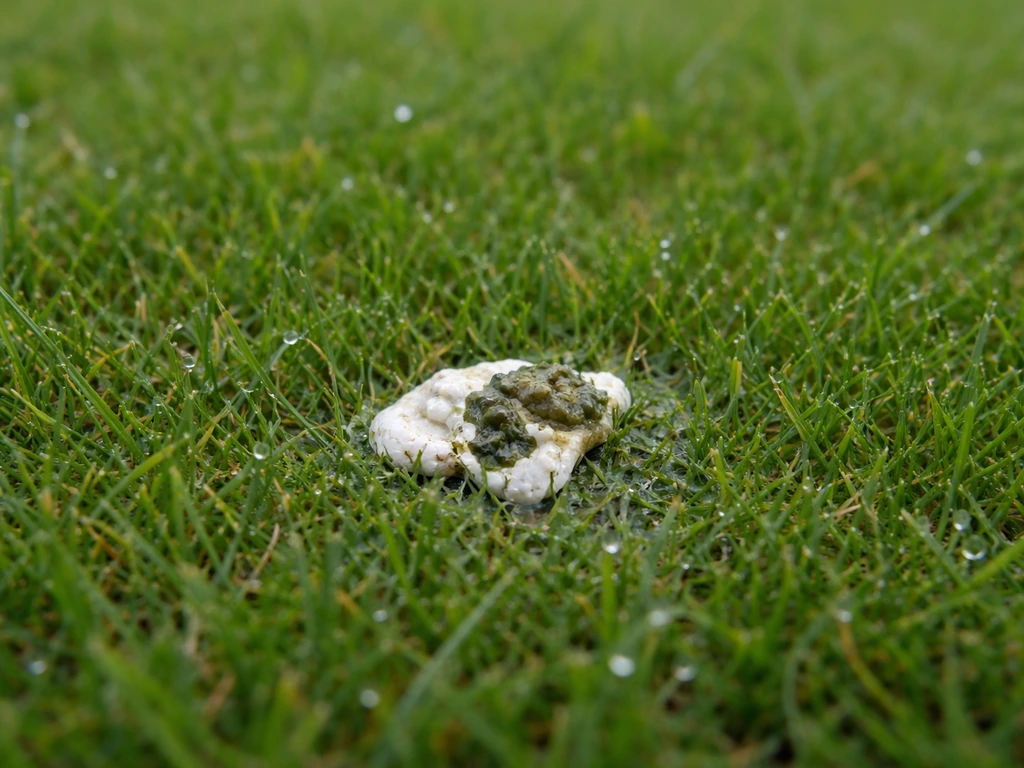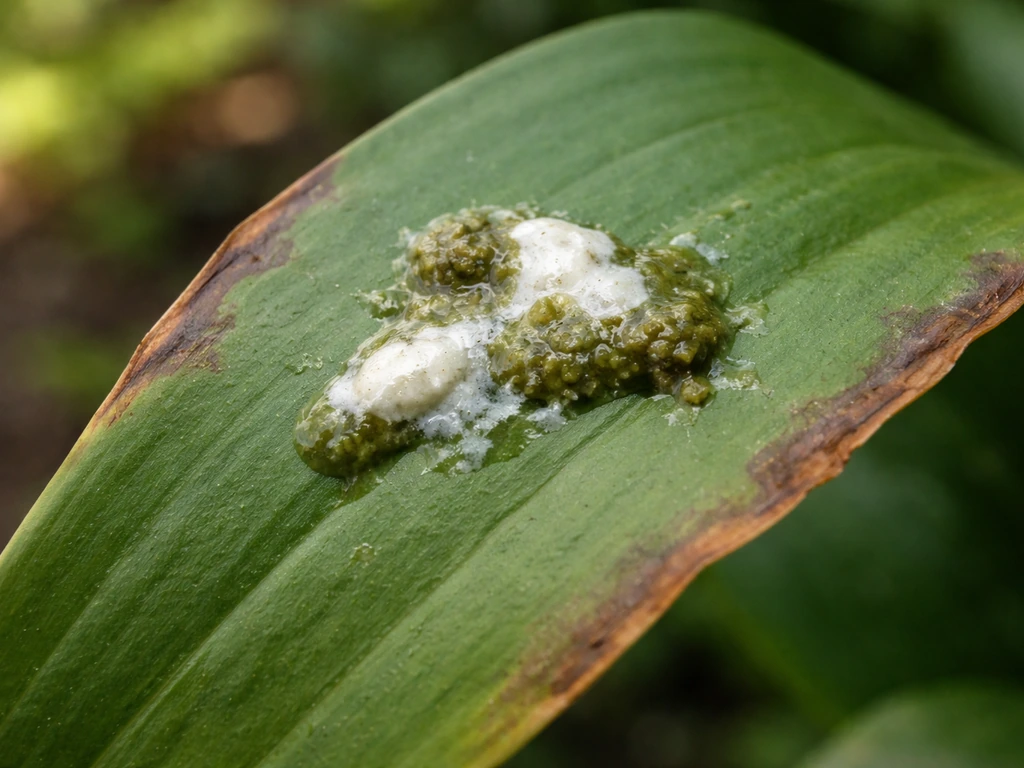
Bird poop can act as a mild fertilizer for grass, but it's not reliable enough to count on, and in larger amounts it's more likely to burn your lawn than help it. In other words, the short answer to does bird poop kill grass is that it can, especially when deposits are heavy or fresh. The occasional dropping here and there? Fine. A flock of starlings roosting on your lawn every night? That's a problem. The honest answer is that bird droppings contain real nutrients, but the form those nutrients come in, the unpredictable volume, and the genuine health risks involved mean you're better off treating bird poop on your lawn as something to manage rather than something to encourage.
Is Bird Poop Good for Grass? Benefits, Risks, and What to Do

Marcus Fielding
20 Jun 2026
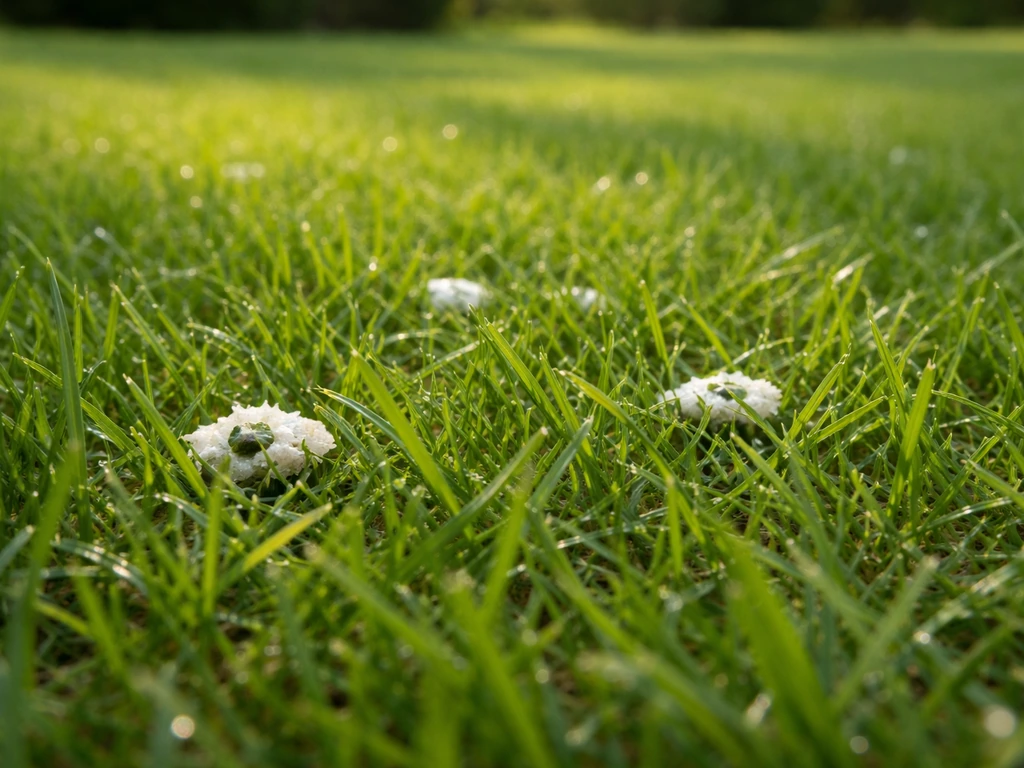
Does bird poop actually help grass? The real answer
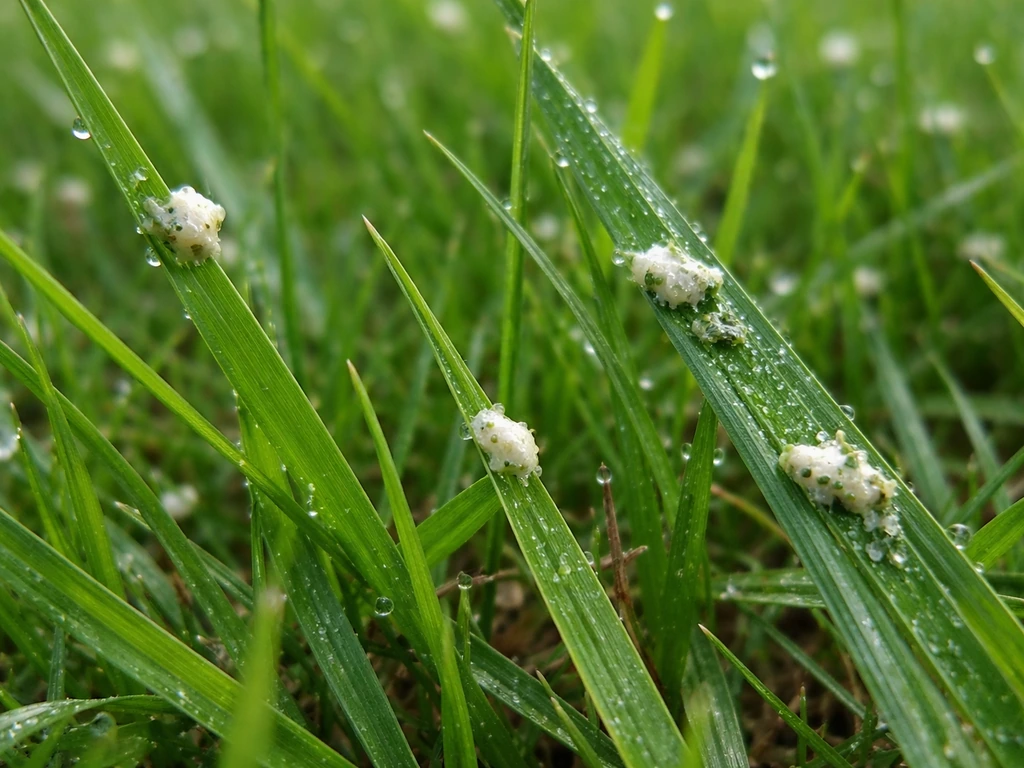
Yes, in small, scattered amounts, bird droppings can provide a tiny fertilizing boost to your lawn. The key word is small. A single bird dropping from a passing robin isn't going to hurt anything, and over time it will break down and release a little nitrogen into the soil. But that's about as far as the good news goes.
The problem is that bird droppings are wildly inconsistent. A pigeon's diet of street food produces different waste than a songbird eating berries, and neither is calibrated to your lawn's actual nutrient needs. The benefit you get is essentially accidental. When bird activity is heavy in one spot, you're much more likely to see yellowed, scorched turf than lush growth. So the answer to 'is bird poop good for grass' is: occasionally, a little, but not in any way you can plan around.
Bird droppings as fertilizer: what's actually in there
Bird droppings do contain the three main plant nutrients: nitrogen, phosphorus, and potassium. Research on seabird guano shows nitrogen levels ranging from about 9% to 21%, phosphorus around 4%, and potassium around 2%. That's actually a respectable nutrient profile on paper. The catch is in how that nitrogen is packaged.
Around 80% of the nitrogen in bird waste exists as uric acid, with smaller amounts as ammonia (about 7%) and nitrate (under 1%). Uric acid doesn't dissolve in water easily, which means it doesn't become plant-available quickly. It needs microbial activity in the soil to break it down first, and that process takes time, warmth, and moisture. In practical terms, a fresh bird dropping sitting on your lawn on a hot summer day is not quietly feeding your grass. It's sitting there, concentrating, and potentially burning the blades it's touching while the useful nitrogen slowly mineralizes beneath the surface.
Commercially processed guano, like the stuff you buy in a garden store, has been aged, dried, and sometimes heat-treated so the nutrient content is stabilized and predictable. Random bird droppings from backyard visitors are none of those things. The real-world result for most homeowners is patchy grass with some yellow spots where heavy deposits landed, and barely noticeable improvement everywhere else.
Health and safety risks you shouldn't ignore
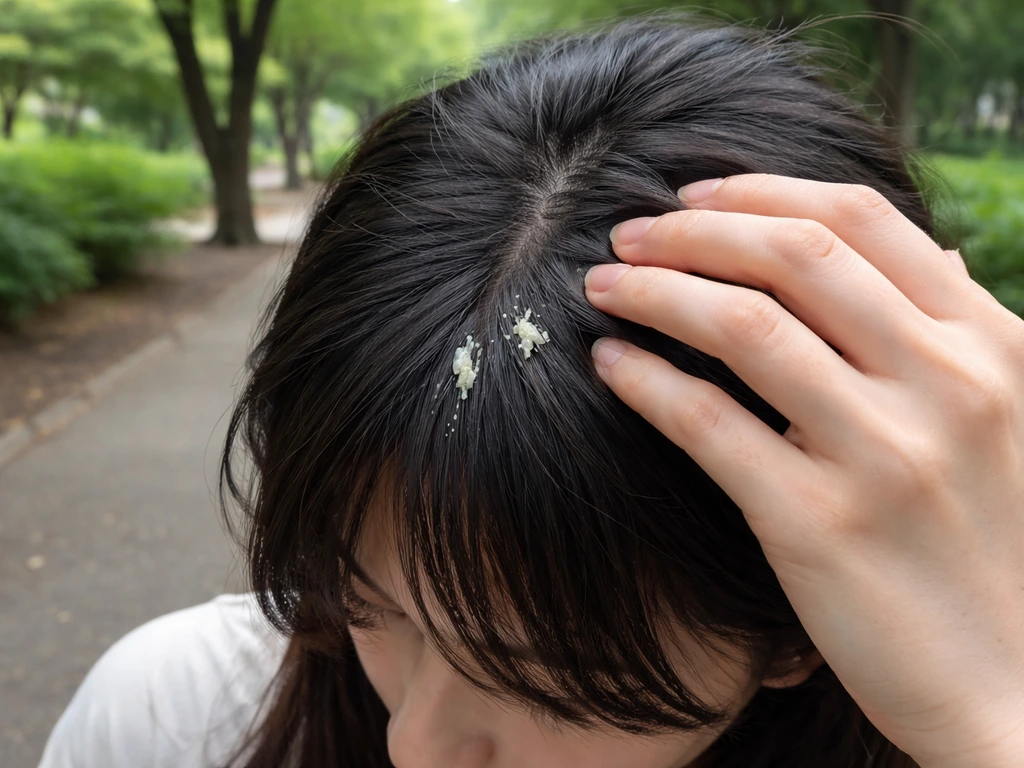
This is the part that often gets glossed over when people focus on the fertilizer angle. The same safety concerns with bird droppings also apply if you're considering them for personal care, like whether bird poop is good for your hair is bird poop good for your hair. Bird droppings can carry a range of pathogens and parasites, including Salmonella, Campylobacter, Histoplasma capsulatum (a fungus that causes a lung infection called histoplasmosis), Cryptococcus, and various intestinal parasites. The risk from a single dropping is generally low for a healthy adult, but the picture changes if you have kids playing on the lawn, pets rolling around in the grass, or anyone in your household who is immunocompromised.
Kids are especially worth thinking about here. They sit on the grass, touch the ground, and then touch their faces without a second thought. If there are bird droppings drying and crumbling on your lawn, the pathogen load can become airborne as the material desiccates, which is exactly the mechanism behind histoplasmosis exposure. Chlorine-based cleaners are generally not recommended for dealing with bird droppings on a lawn because they can damage grass and do not reliably address the health risks histoplasmosis. Pets sniffing and mouthing things on the ground face similar risks, particularly from parasites.
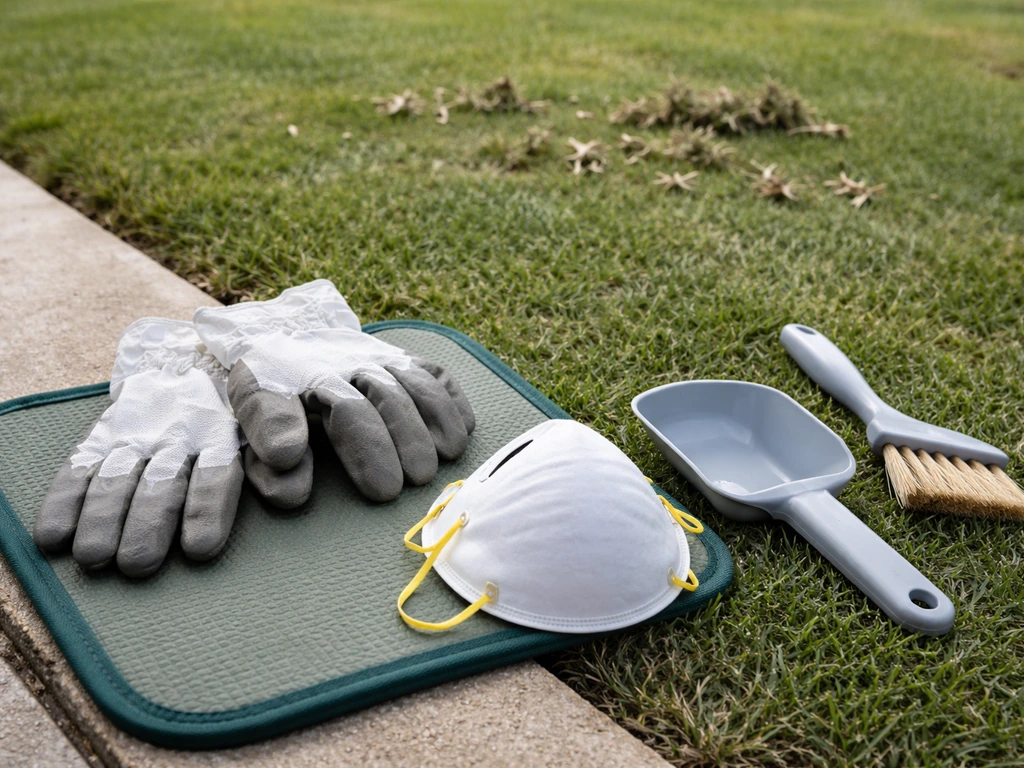
Safe handling means treating bird droppings like the biohazard they technically are, even if a mild one. If you are wondering is bird poop good for your skin, the same caution applies: bird droppings can be a health risk, so prioritize safe handling and avoid direct contact. Wear disposable gloves before touching or scooping any droppings. If you're cleaning up a large accumulation (like under a roosting spot), add a mask to avoid inhaling dried particles. Wash your hands thoroughly afterward regardless. Don't let kids or pets into an area with heavy droppings until you've cleaned it up and watered the area down.
How to apply bird droppings to grass safely (if you want to try)
If you have access to a consistent source of bird droppings, like a backyard chicken flock or a large aviary, and you want to use that material to feed your lawn, composting is the only approach that makes real sense. Fresh droppings applied directly to grass carry both the burn risk (blank" rel="noopener noreferrer">from the concentrated uric acid and ammonia) and the pathogen risk mentioned above. If you get fresh bird droppings on your skin, rinse it off right away because the acids and ammonia can irritate and even burn burn your skin. Composting addresses both.
The EPA's guidance on pathogen reduction in composting points to sustained temperatures of around 55°C (131°F) for at least 15 days as the standard for killing off most pathogens. A well-managed hot compost pile using bird droppings mixed with carbon-rich materials like straw, wood chips, or shredded leaves can reach those temperatures. After the composting process is complete and the material has fully cured (usually several months total), you have something much safer and more plant-available to work with.
- Compost bird droppings with carbon materials in a roughly 1: 2 ratio (droppings to carbon) rather than applying them fresh.
- Allow the compost pile to reach and hold at least 55°C (131°F) for 15 days, turning regularly to ensure even heat distribution.
- Let the finished compost cure for at least a month before using it on the lawn.
- Apply finished compost at a thin, even rate, about a quarter to half an inch top-dressed across the lawn in fall or early spring.
- Water it in after application to help nutrients move into the soil and prevent any residual burn risk.
- If using fresh droppings in a pinch (like from chickens), dilute heavily with water, apply sparingly, and water the lawn thoroughly immediately after.
What not to do with bird poop on your lawn
The biggest mistake is letting heavy accumulations sit. If a flock of birds has been using a section of your lawn as a hangout spot, the piling up of droppings will eventually yellow or kill the grass beneath it. This isn't a fertilizer effect gone right, it's chemical burn from concentrated uric acid and ammonia, combined with the physical smothering of grass blades. The same question of burn risk comes up with other related topics, like whether bird droppings damage plant leaves more broadly. Bird poop can also be harmful to plants beyond grass, since concentrated droppings can burn tissue and disrupt healthy growth does bird poop kill plants.
- Don't spread fresh, raw bird droppings directly onto lawn grass, especially in warm weather when ammonia volatilization is highest.
- Don't assume bird activity is evenly distributed. Heavy spots get burned, light spots get little benefit.
- Don't ignore droppings from birds that eat seeds, berries, or insects from potentially contaminated areas, since their droppings can introduce weed seeds or pathogens from those sources.
- Don't let droppings dry into powder in high-traffic areas where kids or pets play before cleaning them up.
- Don't over-apply any bird-derived material without knowing your lawn's current nitrogen levels; too much nitrogen from any source will burn turf.
Better options for feeding your lawn
If you're reading this because you want to feed your lawn more naturally and wondered whether bird poop could pull double duty, here's the practical reality: there are safer, more consistent organic options that will give your grass exactly what it needs without the health risks or guesswork.
| Option | Nitrogen % | Ease of Use | Burn Risk | Pathogen Risk |
|---|---|---|---|---|
| Composted guano (commercial) | 10–12% | Easy, buy and apply | Low (aged product) | Very low |
| Feather meal | 12–15% | Easy | Low to moderate | Very low |
| Blood meal | 12–13% | Easy | Moderate (apply carefully) | Very low |
| Fish emulsion | 4–5% | Easy (liquid) | Very low | Very low |
| Composted chicken manure | 2–4% | Moderate (need to compost first) | Low when fully composted | Low when properly composted |
| Raw/random bird droppings | Variable | Unreliable | High (uncontrolled) | Moderate to high |
For most lawns, fish emulsion or a good quality composted guano product applied in spring and fall is a far better choice than relying on what birds leave behind. If you have chickens or ducks, composting their manure properly and using it as a top dressing is legitimate and cost-effective, but the composting step is not optional. Your lawn will thank you for the consistency, and you won't have to worry about the health angle.
Cleaning up bird droppings from walkways, cars, and your lawn
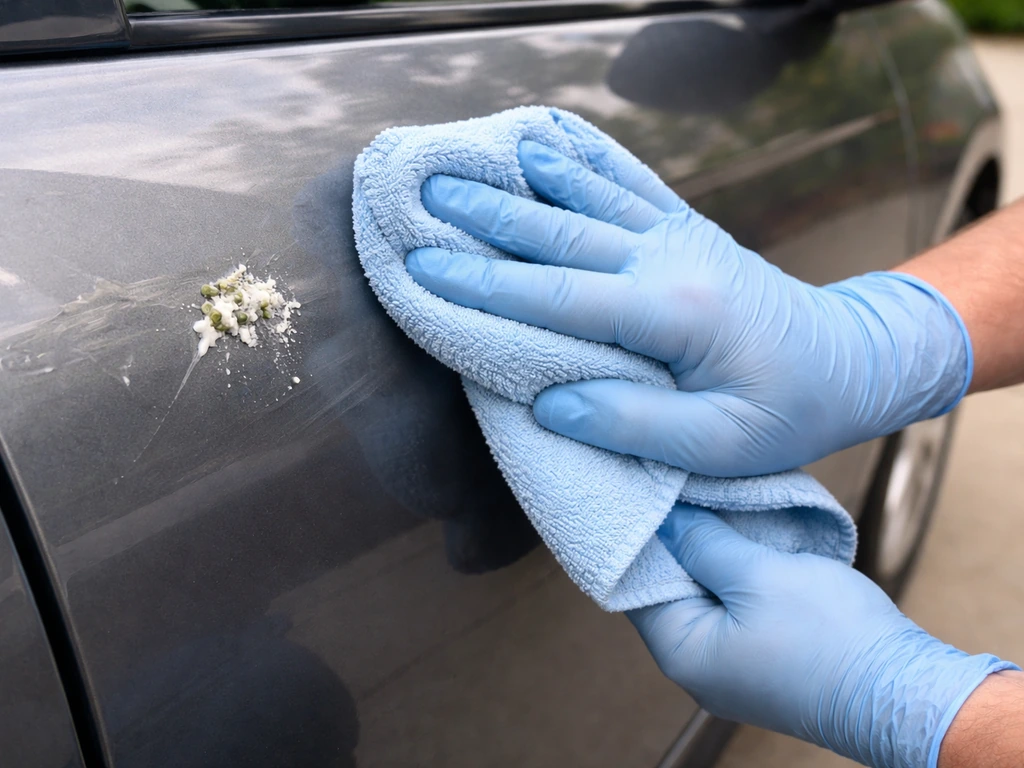
On hard surfaces like driveways, patios, and cars, the goal is to clean up bird droppings quickly. On a car's paint, for example, the uric acid in droppings begins etching the clear coat within hours in warm weather, so prompt removal matters. On walkways, the concern is slip hazard and pathogen spread on shoes tracked into the house.
For cars: soften the dropping first with a damp microfiber cloth or a dedicated bird dropping remover spray. Never scrub dry, since you'll scratch the surface. Lift gently, then wipe clean with a fresh damp cloth. Wax or sealant on the paint helps protect against etching if you can't clean immediately.
For walkways and patios: wet the droppings first to prevent dust, then scrape or hose off. A dilute solution of dish soap and water handles the residue. For large accumulations in a covered area like under a bird feeder or a roosting overhang, wear gloves and a dust mask before disturbing the dried material.
For your lawn: if the droppings are scattered and light, watering the lawn is usually enough to dilute and incorporate them. If there's a heavy deposit in one spot, scoop up what you can with a gloved hand or a plastic scraper into a bag, then water the area thoroughly. Avoid digging the material in or spreading it around the grass.
Reducing bird activity on your lawn
If birds are repeatedly targeting your lawn and leaving heavy deposits, it's worth discouraging them. Reflective tape or predator decoys (owls, hawks) near problem areas can help, though birds adapt to static deterrents over time. Moving decoys or combining methods works better. Removing attractants like standing water, dense low shrubs where birds shelter, or spilled seed from feeders near the lawn also reduces traffic. Bird feeders are great for enjoyment but position them away from areas where kids play, since the ground beneath them will accumulate a lot of droppings.
The bottom line on bird poop and grass: treat the occasional dropping as a non-issue, clean up heavier deposits promptly using gloves and water, and if you want the fertilizer benefit without the risk, buy a bag of composted guano from the garden center. It's the same concept, just processed to actually work reliably and safely.
FAQ
Can I spread fresh bird droppings over my lawn to fertilize it?
No. “Natural” does not mean “plant-safe,” and fresh droppings can contain concentrated uric acid that burns turf where deposits concentrate. If you want to use bird waste as fertilizer, compost it to a hot, cured batch first, then top-dress and water in, rather than spreading fresh material.
What should I do if I find a small pile of bird droppings on my grass?
The safest cleanup approach is to remove as much as possible, then dilute. For lawns with light, scattered spots, a good watering usually helps. For heavy roost areas, scoop up what you can (gloved), bag it, then water the area thoroughly so residues are less likely to concentrate and scorch.
How long should I keep kids and pets off the lawn after cleaning droppings?
Wait time depends on whether it was heavy and fresh. After cleanup, watering immediately reduces residue concentration, but you should avoid letting kids or pets play there until the area is cleaned and dampness dries. For anyone immunocompromised or for repeated heavy deposits, it is better to fully remove droppings rather than rely on dilution alone.
My lawn is yellowing in one spot where birds land, what now?
If a spot looks scorched or yellowed, do not add more droppings or nitrogen to “correct it.” Water the area and allow recovery time, then consider overseeding once the grass shows signs of stabilizing. If the damage keeps expanding, it usually means ongoing deposits or persistent chemical burn, so focus on removing the attractant and cleaning consistently.
Is composting bird poop at home enough to make it safe for grass?
Composting only works if the pile is managed for pathogen reduction, not just “left to sit.” A hot compost workflow that reaches sustained temperatures for at least 15 days and then fully cures for months is what makes it meaningfully safer to apply.
Can I hose bird droppings off my lawn, or will that make things worse?
Yes, but treated carefully. Wear disposable gloves, avoid disturbing dried droppings, and use a dust mask if you need to move an accumulation. Do not hose or scrape dry material aggressively, since that can create airborne particles; wet first, then remove.
Why do deterrents work for a while and then stop?
Birds return, so static deterrents can lose effectiveness. Use a combined approach, for example relocate feeders away from play areas, remove standing water, reduce sheltering shrubs near the lawn, and move decoys occasionally rather than leaving the same placement indefinitely.
What are the biggest mistakes people make when removing droppings?
Yes. If you must clean near where birds roost, avoid sweeping or dry scraping. Disturbing dried droppings can increase inhalation and spread on shoes and surfaces. Wet, remove with gloves, then wash hands thoroughly and launder any clothing that got contaminated.
How often should I clean bird droppings from my lawn?
For light spots, watering is usually enough, but for heavy deposits the best “frequency” is to prevent buildup. Clean problem areas promptly when you see accumulation, especially under feeders, roosting ledges, or repeated landing zones, so the uric acid load does not sit and concentrate.