Bird poop can irritate your skin, and in some cases cause a genuine inflammatory reaction, but it rarely produces a true chemical burn the way a harsh acid or alkali would. What actually happens is a mix of mild chemical irritation from uric acid and nitrogenous breakdown products, plus a small risk of an allergic or contact dermatitis response. For most healthy adults, a splash of bird dropping on exposed skin is an annoying inconvenience rather than a medical emergency, but there are specific situations where you do need to take it more seriously.
Can Bird Poop Burn Your Skin? What to Do Now

Marcus Fielding
1 Jun 2026
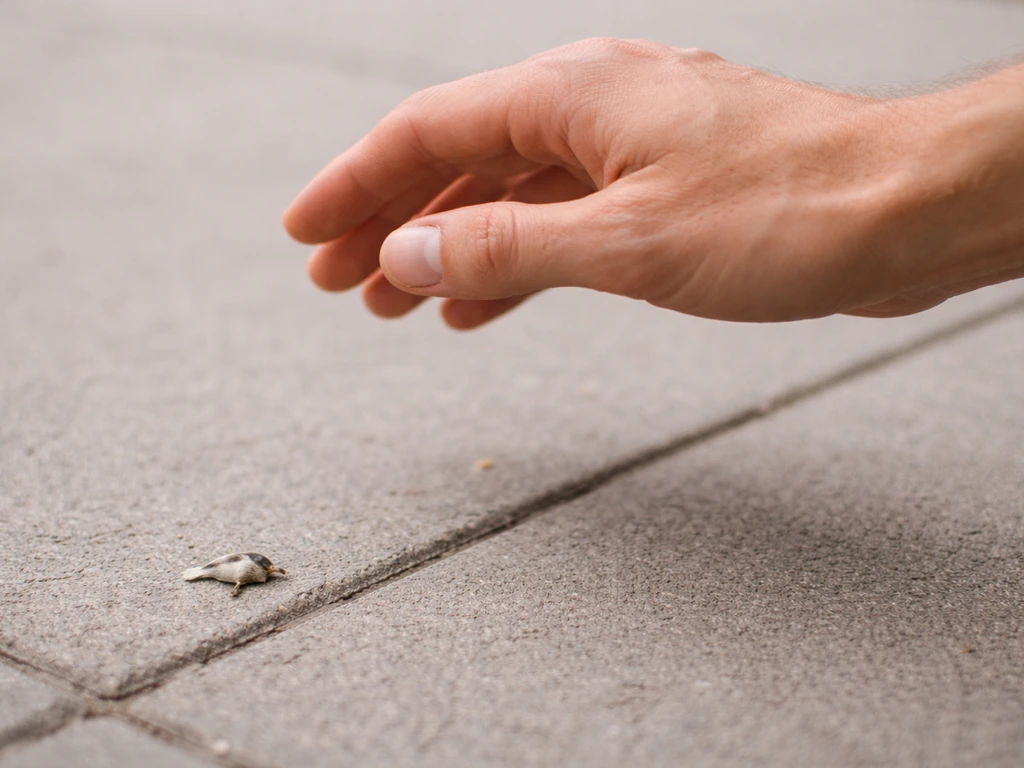
Can bird poop actually 'burn' skin? What's really going on
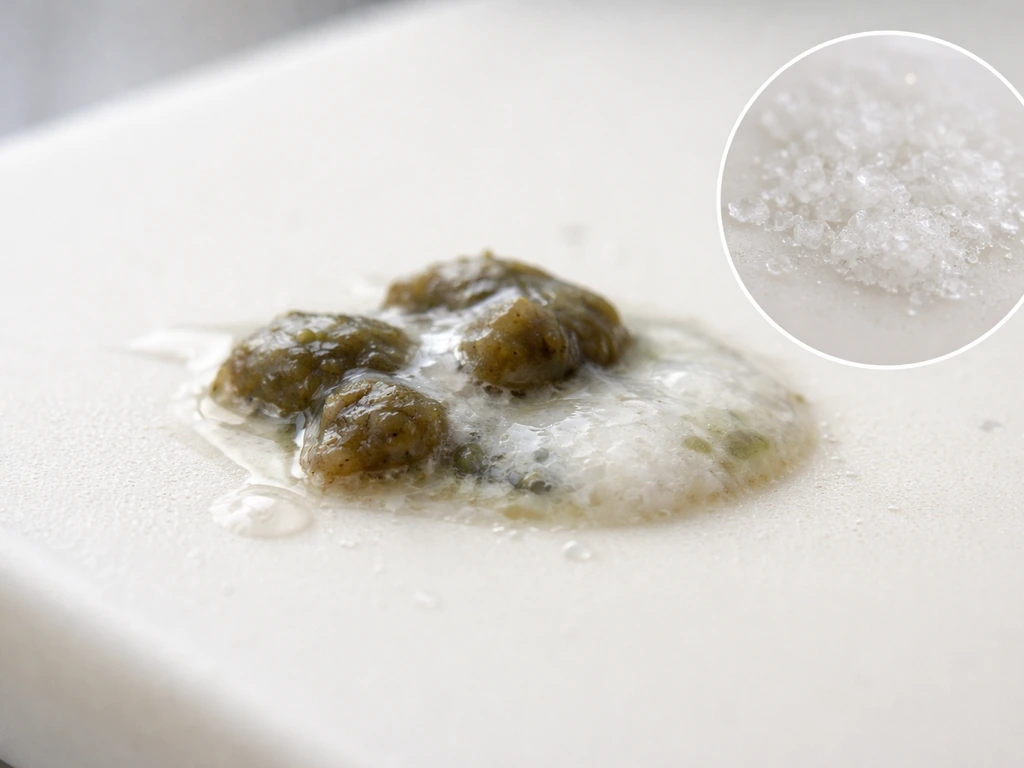
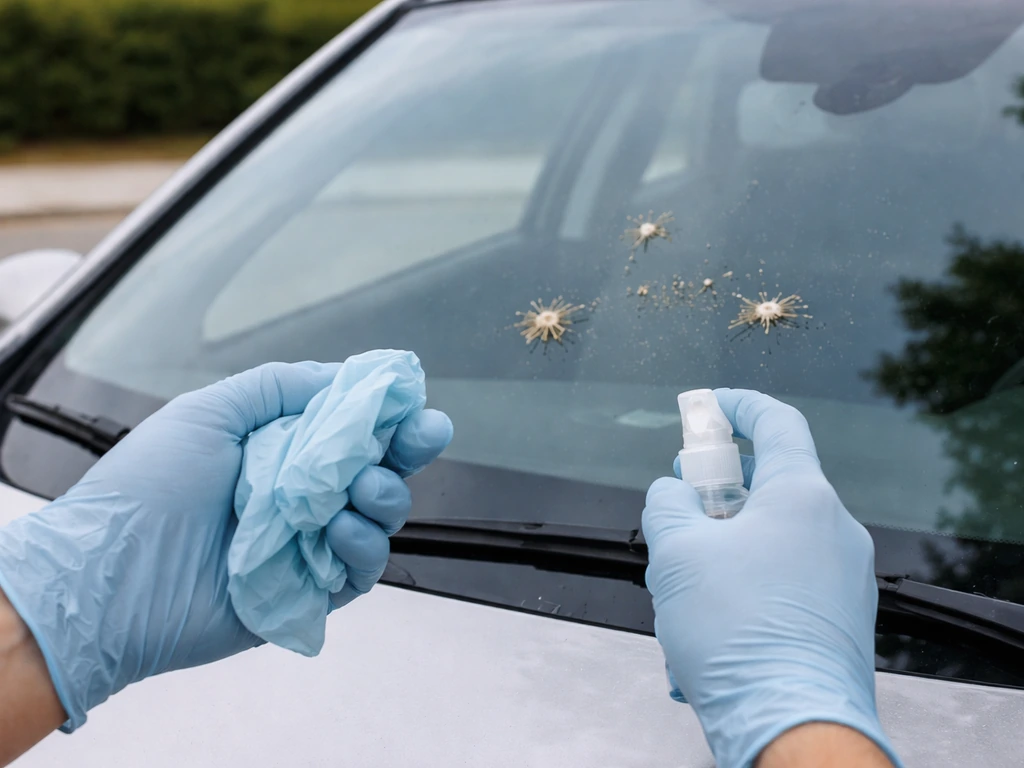
Bird droppings are not simple feces. They are a combined excretion of digestive waste and nitrogenous metabolic waste, and that second component is the key detail. Unlike mammals, birds excrete nitrogenous waste as uric acid and urates rather than urea. Uric acid is genuinely corrosive to certain materials, which is why bird droppings can etch car paint within hours on a hot day. On skin, the effect is milder, but the same chemistry is present. The urate residue, along with ammonia-like compounds released as the droppings dry and break down, can irritate the outer layers of skin, especially if left in contact for a while or if the skin was already compromised.
There is published case report evidence of contact dermatitis following exposure to bird excrement, meaning the droppings can trigger real skin inflammation through either direct chemical irritation or an allergic pathway. So when someone says bird poop gave them a rash or made their skin red and sore, they are not imagining things. The 'burn' label is a slight exaggeration of what is usually irritant contact dermatitis, but the discomfort is real. Bird droppings can also affect plants, so you may wonder whether bird poop kills grass does bird poop kill grass.
What to expect: irritation vs. burn vs. allergic reaction
Most skin contact with bird droppings produces mild, temporary irritation, especially on sensitive skin or after prolonged contact. Knowing what different reactions look like helps you decide whether to wait it out or get it checked.
| Reaction type | Typical symptoms | How quickly it appears | What it usually means |
|---|---|---|---|
| Mild irritation | Redness, slight itching or tingling, temporary staining | Within minutes to an hour | Normal response, clears with washing |
| Irritant contact dermatitis | Redness, swelling, itching, possible small blisters or peeling | Hours after contact | More pronounced chemical reaction, may need topical treatment |
| Allergic contact dermatitis | Intense itching, hives, spreading rash beyond contact area | Can appear hours to a day later | Immune response, may need antihistamine or steroid cream |
| Eye or mucous membrane contact | Burning, tearing, redness, sensitivity to light | Immediately | Requires prompt flushing and possible medical review |
| Signs of infection (from skin break) | Warmth, pus, spreading redness, fever | Days after contact | Bacterial infection, needs medical attention |
True chemical burns from bird poop on intact skin are extremely unlikely in a typical encounter. The concentration of uric acid in a single dropping is not high enough to cause rapid tissue destruction the way industrial acids do. The greater risk with prolonged contact is the irritant dermatitis pathway, particularly on the face, inner arms, or anywhere with thinner or more sensitive skin.
What to do right now if you touched it
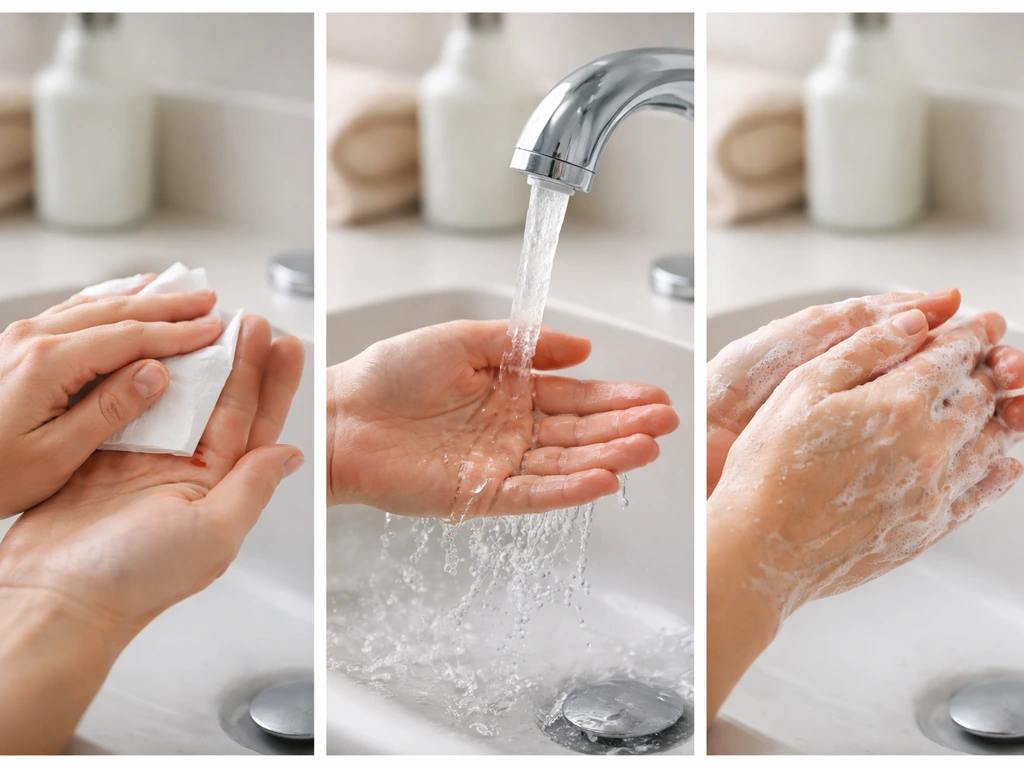
Act quickly but calmly. The goal is to get the material off your skin before it has time to sit and irritate, and to make sure you do not transfer anything to your eyes, nose, or mouth in the process.
- Avoid rubbing or spreading the droppings. If it is fresh, use a paper towel or tissue to gently lift the material away without smearing it across a larger area of skin.
- Rinse the affected area thoroughly under cool or lukewarm running water for at least one to two minutes. Plain water removes the bulk of the material effectively.
- Wash with soap. Regular soap and water is sufficient for the skin. Scrub gently for 20 to 30 seconds, covering the contact area and the surrounding skin.
- Rinse again, then dry with a clean towel or disposable paper. Do not reuse the towel for the rest of your body.
- If the droppings were dried and you inhaled any dust during removal, note that separately (more on infection risk below).
- Watch the skin over the next few hours. Mild redness that fades is normal. Redness that spreads, blisters, or becomes more painful over time is not.
If droppings got into your eyes, flush immediately with clean, lukewarm water for 10 to 15 minutes. Hold your eye open and let water run across it from the inner corner outward. This is the single most important step for eye exposure and it needs to happen before anything else.
When to get medical help
For most healthy adults, bird poop on the skin is a wash-it-off situation. But certain symptoms mean you should contact a doctor or go to an urgent care clinic rather than waiting it out at home.
- Eye exposure that does not improve after thorough flushing, or that produces persistent pain, blurred vision, or significant light sensitivity
- A skin rash that spreads well beyond the original contact area, or that comes with hives elsewhere on your body
- Swelling, warmth, pus, or increasing pain around the contact site appearing within a day or two of exposure, especially if you had any cuts or broken skin in the area
- Fever, chills, or generally feeling unwell after a cleanup involving disturbed or accumulated dried droppings
- Any respiratory symptoms (coughing, shortness of breath, fever) developing within a few weeks of a large-scale cleanup involving accumulated droppings, even if you wore some protection
- Immunocompromised individuals, including people on chemotherapy, organ transplant recipients, or those with HIV, should have a lower threshold for getting checked out after any significant exposure
The real infection risk: what skin contact can and cannot do
This is where a lot of the fear around bird poop comes from, and it helps to separate the actual risks clearly. Bird droppings can carry pathogens including Histoplasma capsulatum (the fungus that causes histoplasmosis), Salmonella, Campylobacter, and, in areas with infected flocks, avian influenza viruses. However, the main infection pathway for the most serious of these (histoplasmosis) is inhalation, not skin absorption. If you are wondering whether bird droppings can also harm outdoor greenery, see does bird poop kill plants for what the chemistry can do to plant tissue. The CDC is explicit that histoplasmosis is acquired by breathing in fungal spores from environments contaminated with bird or bat droppings, not through intact skin contact.
Importantly, fresh bird droppings have not been shown to present a Histoplasma health risk. The danger rises sharply when accumulated, dried droppings are disturbed, creating dust and aerosolized spores. This is why a bird dropping a single splat on your arm in a park is a different situation from shoveling out a shed that has been used as a roost for years.
For avian influenza, the CDC emphasizes that direct contact with eyes, nose, or mouth after handling contaminated material is a real transmission concern, which is why hand hygiene after contact matters enormously. Skin contact with intact skin is far less risky, but transferring contaminated material from your hands to your face is a practical hazard that happens easily if you do not wash promptly. Bacterial infections from skin contact are possible if you have broken or cracked skin, since droppings can carry Salmonella and other bacteria. People who are immunosuppressed face higher risk of severe disease from any of these exposures.
Cleanup and disinfection: skin and surfaces
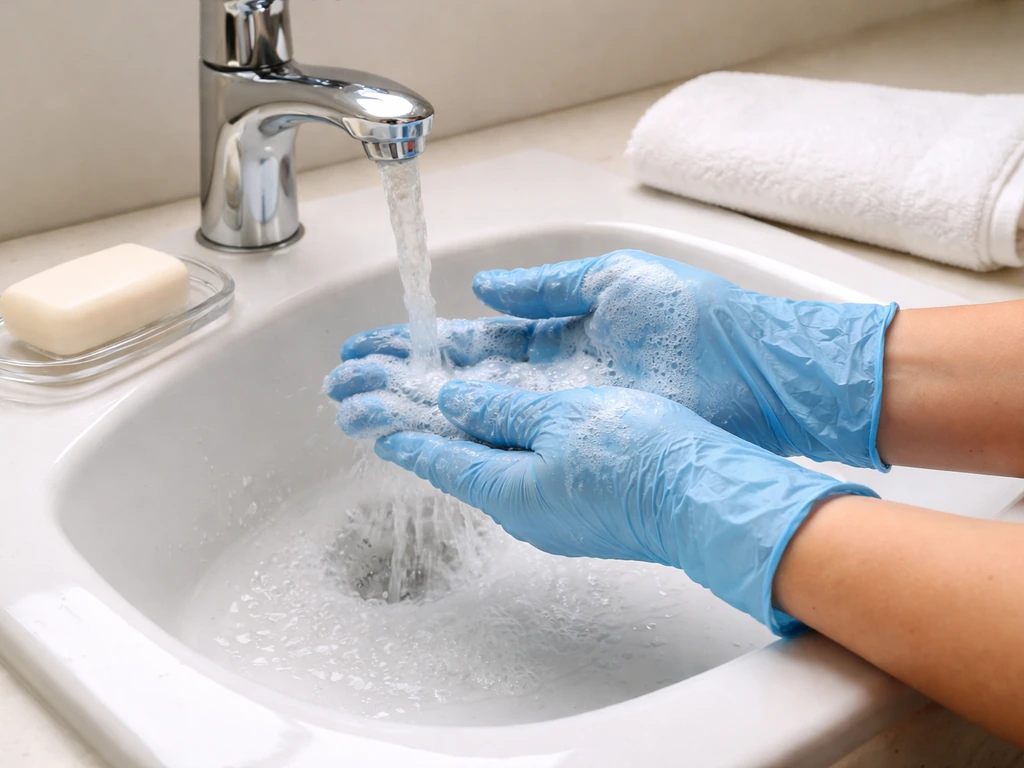
Cleaning your skin
Soap and water is genuinely all you need for skin. You do not need antibacterial washes or specialized products for a typical exposure. Wash thoroughly, rinse well, and if you were handling any significant amount of dried material, do not touch your face until you have washed your hands. Standard 20-second handwashing technique removes the relevant pathogens and mechanical residue effectively.
Cleaning surfaces
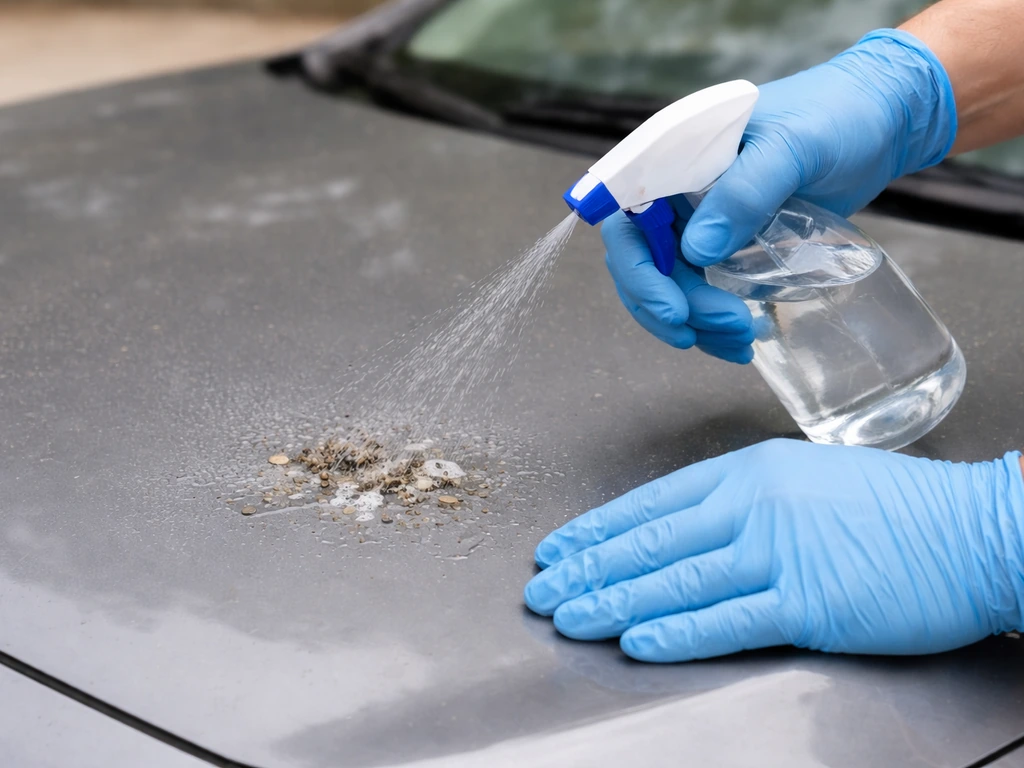
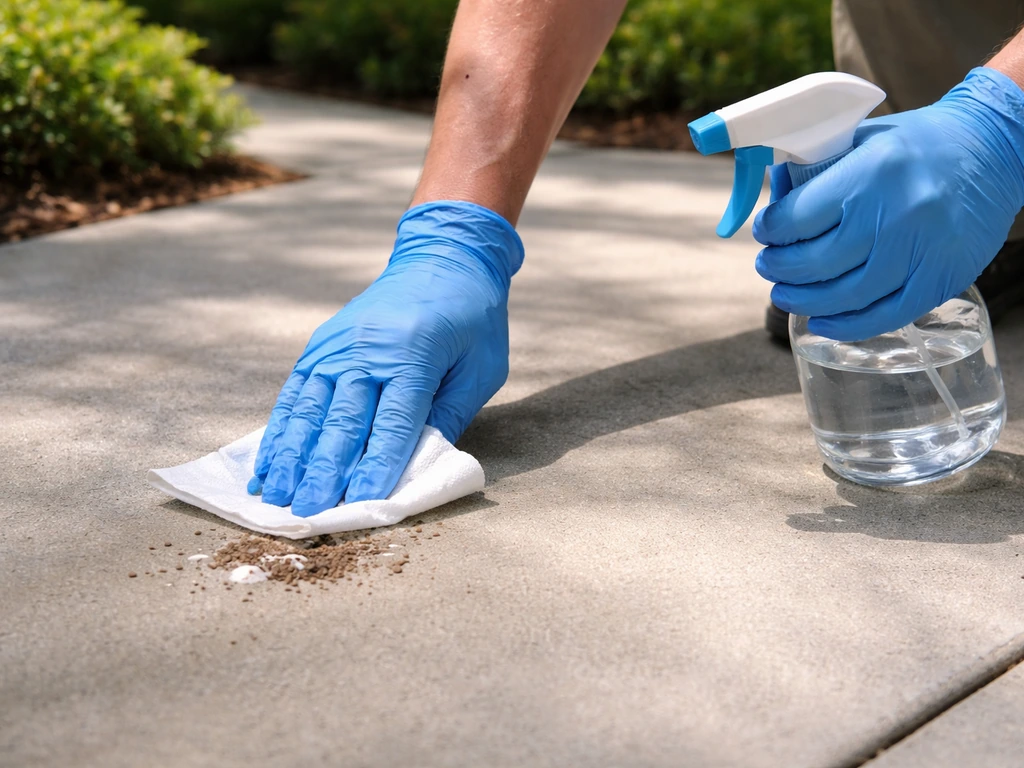
For hard surfaces like car bonnets, balcony railings, or patio furniture, the priority is to wet the droppings before you scrape or wipe, to prevent dry material from becoming airborne. Dry scraping turns urate-heavy crust into particles you will breathe. Spray the area lightly with water first, let it soften for 30 seconds, then remove with paper towels and bag them. Follow with a diluted bleach solution (roughly one part bleach to ten parts water) applied with a cloth or spray bottle. Because bird droppings can be hard to disinfect properly, you might also wonder whether chlorine kills bird poop, but the safer approach is to follow the recommended cleaning steps for surfaces does chlorine kill bird poop. Allow at least the time it takes for the surface to air dry before wiping again, so the disinfectant has contact time. For car paint, avoid bleach and use an automotive cleaner to prevent paint damage, but the same wet-first principle applies.
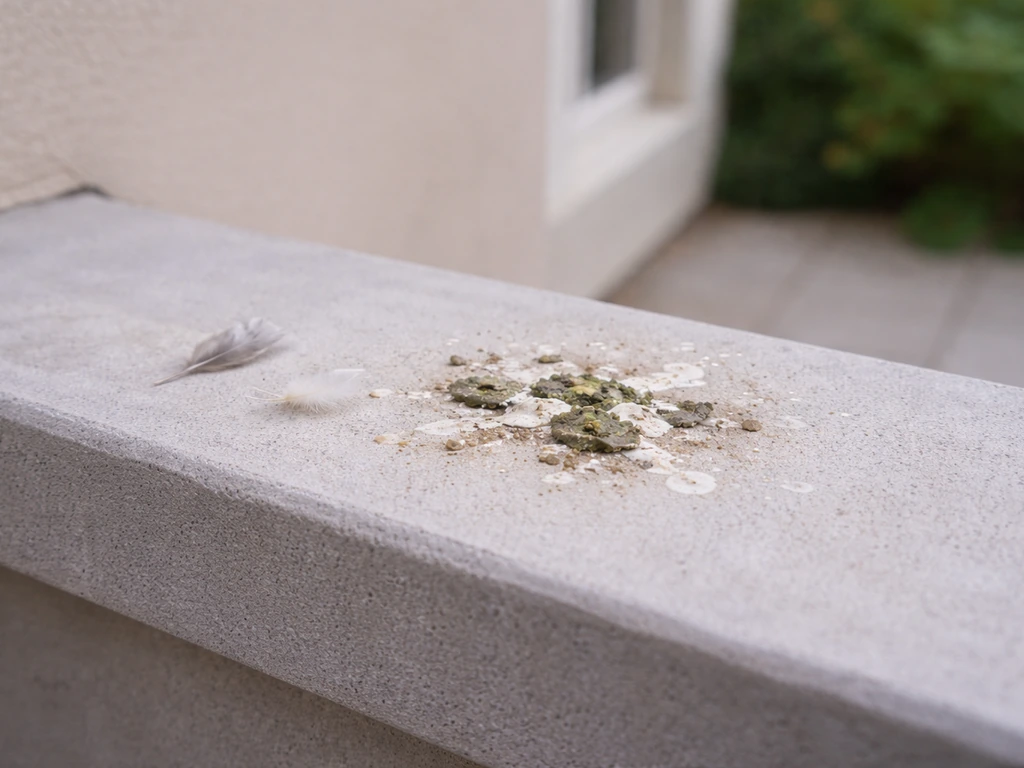
For large accumulations on a balcony, in a shed, or in an attic with significant roosting history, do not sweep or vacuum dry material. The CDC advises that during cleanup and disinfecting of contaminated premises, you should avoid stirring up dust, bird waste, and feathers to prevent virus or spores from dispersing into the air do not sweep or vacuum dry material. Wet it down carefully (avoid high-pressure streams, which can aerosolize the material), use a shovel to bag it, and dispose of it in sealed bags. This is the situation where respiratory protection becomes genuinely important, not a casual bird-splatted-your-car situation.
How to prevent exposure when cleaning or spending time outside
Preventing exposure is largely about matching the level of protection to the level of risk. A single dropping on a car bonnet requires minimal precaution. A roosting-area cleanup requires a proper setup.
- Wear disposable gloves any time you are intentionally cleaning up droppings, even casually. Nitrile gloves are inexpensive and provide a solid barrier.
- Wear safety glasses or goggles if you are cleaning elevated surfaces, scrubbing, or using a hose, since splashback can reach your eyes.
- For large-scale cleanups or any situation involving visible accumulations of dried droppings, wear a NIOSH-certified N95 respirator or better. A cloth mask or surgical mask provides minimal protection against fine fungal spores.
- Wet the material before you disturb it. This single step does more to reduce inhalation risk than almost any other measure.
- Avoid sweeping or blowing dry droppings. Both actions aerosolize exactly the particles you do not want to breathe.
- On balconies or in yards with regular bird activity, consider bird deterrents (spikes, wire, reflective tape) to reduce accumulation in the first place.
- After any cleanup, shower and change clothes before sitting on upholstered furniture or handling food. Spores and bacteria can hitch a ride on fabric.
- Keep pets, especially dogs with a habit of sniffing or licking the ground, away from areas with concentrated droppings.
Good luck myth vs. real safety: holding both ideas at once
The tradition that being pooped on by a bird is a sign of good luck is genuinely widespread, recognized in folklore across multiple cultures, and even noted by institutions like the Natural History Museum. If it helps you stay calm in the moment rather than panicking, that is not a bad thing. But the superstition was obviously never meant to replace wiping it off and washing your hands.
The nuanced version of this is that for most healthy people, the casual encounter (a single dropping landing on your arm or shoulder while you are sitting outside) does carry very low practical risk when you handle it correctly. The good luck framing is harmless as long as it does not become a reason to skip basic hygiene. Where it can cause a problem is if someone takes the superstition as a signal to leave it on their skin for longer, thinking it might be beneficial. Some people search for whether bird poop is good for skin, partly because of high-end facial treatments using processed, sterilized bird droppings, but that is a very different product from what just landed on you from a passing pigeon. Raw bird droppings are not a skincare treatment.
The same balanced thinking applies to bird poop on your lawn or garden. Whether it is helping or harming depends on quantity, concentration, and context. A little here and there from passing birds has minimal practical effect. A major accumulation is a different story. The practical rule across all of these situations is: respect what it actually is, handle it sensibly, and then move on with your day.
FAQ
If bird poop landed on my skin, should I wait to see if a rash shows up before washing again?
No. Wash promptly and thoroughly, then you can reassess. Early cleaning mainly reduces chemical residue and lowers the chance you transfer material to your eyes or face. If you still get worsening redness, swelling, blisters, or intense itching over the next 24 to 48 hours, that pattern fits irritant or contact dermatitis and you should get medical advice.
What should I do if I already rubbed the area and the poop spread?
Stop rubbing, rinse with lukewarm water right away, then wash with soap and rinse well. If it got into hair, consider washing the surrounding scalp and not just the skin spot. Avoid scrubbing with a washcloth aggressively, because broken skin increases the risk of bacterial issues from contaminated residue.
Can bird poop burn my skin if the drop was on intact skin for only a few minutes?
True tissue-destroying burns are extremely unlikely in brief exposures to intact skin. What you are more likely to notice is mild irritation or a contact dermatitis reaction, especially in sensitive areas like the face or inner arms. If symptoms appear late or spread beyond the contact area, treat it as dermatitis rather than a chemical burn.
Is there anything different I should do for kids or people with very sensitive skin?
For kids, use gentle but thorough washing, and check more closely for facial exposure. If redness persists beyond a day, gets progressively worse, or the child is very uncomfortable, contact a clinician. People with eczema or compromised skin barrier should be extra cautious about avoiding prolonged contact and seeking advice sooner.
Should I use antibacterial soap, hydrogen peroxide, or an antiseptic after bird droppings touch my skin?
Usually no. Standard soap and water is enough for typical skin contact, and harsh antiseptics can further irritate skin. If you have broken skin, rinse well first, then consider covering with a clean dressing. Seek care if you develop increasing pain, warmth, swelling, pus, or fever.
How do I know if it is a simple irritation versus an allergic reaction?
Irritant reactions often cause mild burning or redness limited to the contact area. Allergic or contact dermatitis tends to be itchier, may spread slightly beyond the original spot, and can worsen over 24 to 72 hours. If you see blistering, rapidly spreading hives, or swelling of eyelids or lips, seek urgent care.
What are the red-flag symptoms that mean I should go to urgent care?
Get urgent help if you have eye pain or persistent blurred vision after flushing, significant blistering or skin breakdown, rapidly spreading swelling or rash, trouble breathing, or signs of infection such as increasing redness with warmth, pus, fever, or red streaking. Also seek care promptly if you are immunosuppressed, because the threshold for evaluation is lower.
If bird poop got on my car, is bleach always the right cleaner?
Not necessarily. For paint, bleach can increase the risk of finish damage, so avoid it on car paint and use an automotive cleaner instead. For general hard surfaces, the wet-first approach still matters, then follow the recommended diluted bleach method only for surfaces where it is appropriate. If you are unsure, test a small hidden area first.
What should I do if bird poop is on a balcony or shed and I need to clean it later?
Do not dry sweep or vacuum accumulated dried droppings, because disturbing dust can increase respiratory exposure. Wet it down carefully, avoid high-pressure water streams, bag debris, and seal it. If the area has heavy roosting history or large buildup, consider respiratory protection and follow a more formal cleanup plan.
I got pooped on, and now I am worried about infections, do I need antibiotics?
For a single minor skin contact, antibiotics are not routinely needed. The bigger practical risks are irritation, eye exposure, and transferring residue to your face before washing. Seek medical advice only if you develop systemic symptoms, significant wounds, or a concerning rash pattern, or if you are immunosuppressed.