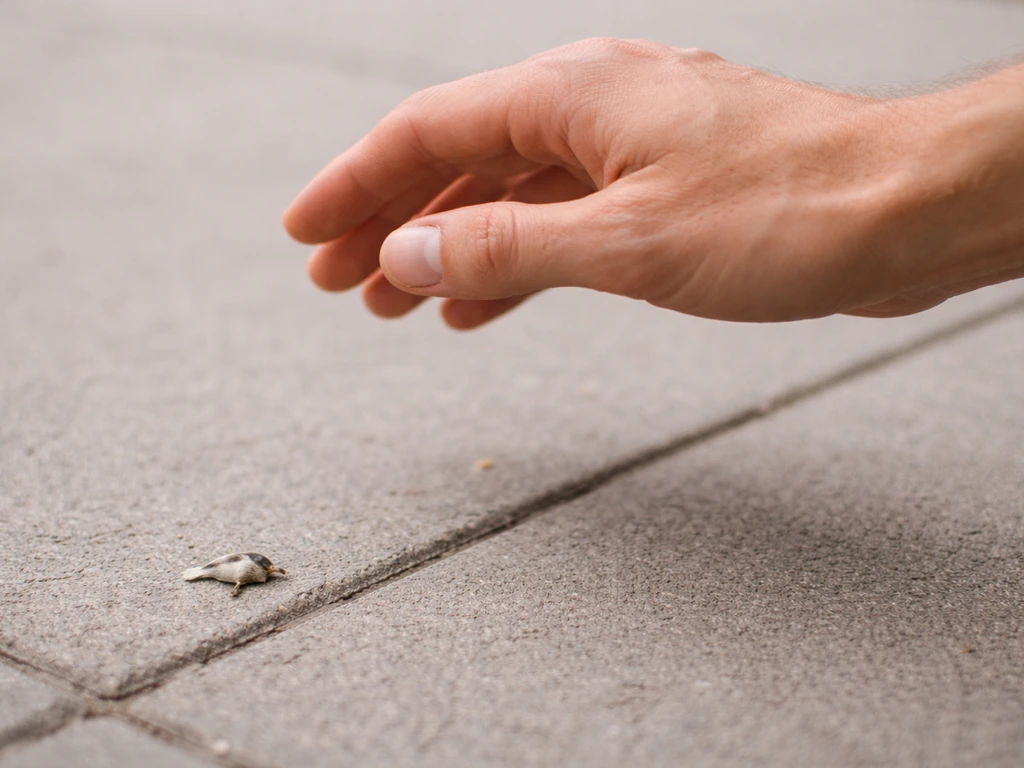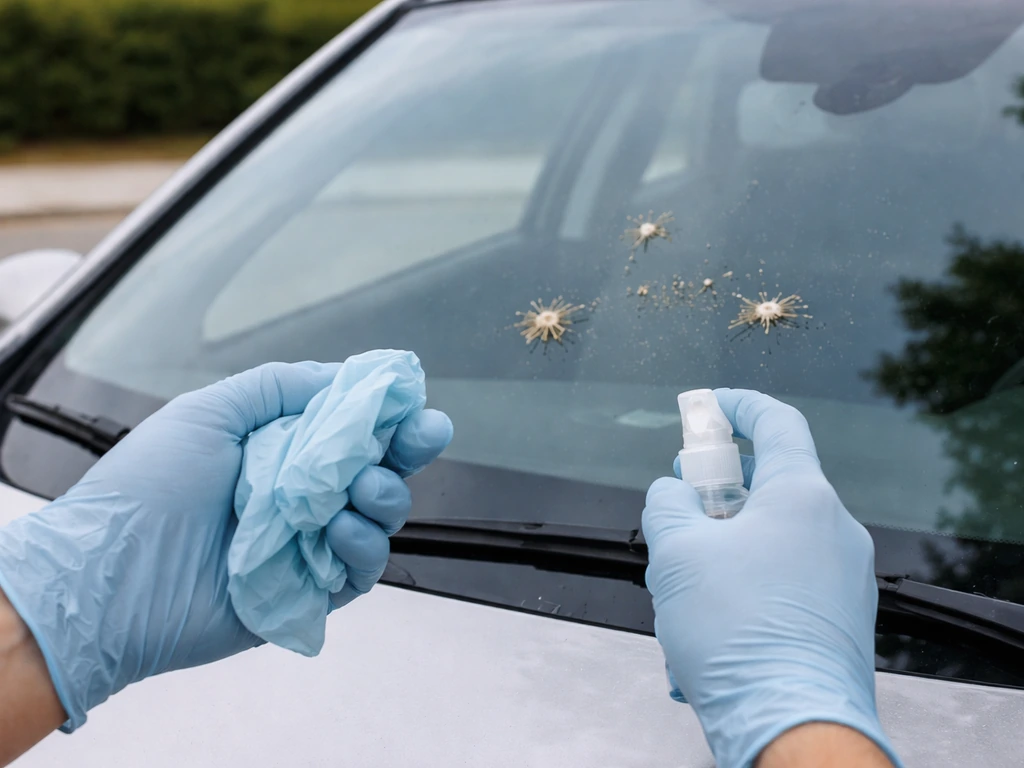
Bird poop is not good for your skin. There is no credible scientific evidence that applying bird droppings to skin provides any benefit, and there are real, documented risks including chemical irritation, potential burns from uric acid, allergic reactions, and exposure to bacteria, fungi, and parasites. If you got it on you accidentally, wash it off promptly with soap and water. It is also not good for your hair, because the same irritation and infection risks apply to hair and scalp contact is bird poop good for your hair. If you were considering it intentionally as a skincare treatment, skip it and reach for a proven alternative instead.
Is Bird Poop Good for Your Skin? Risks and Safer Options

Marcus Fielding
2 Jun 2026
Why people think it works (and where the idea comes from)
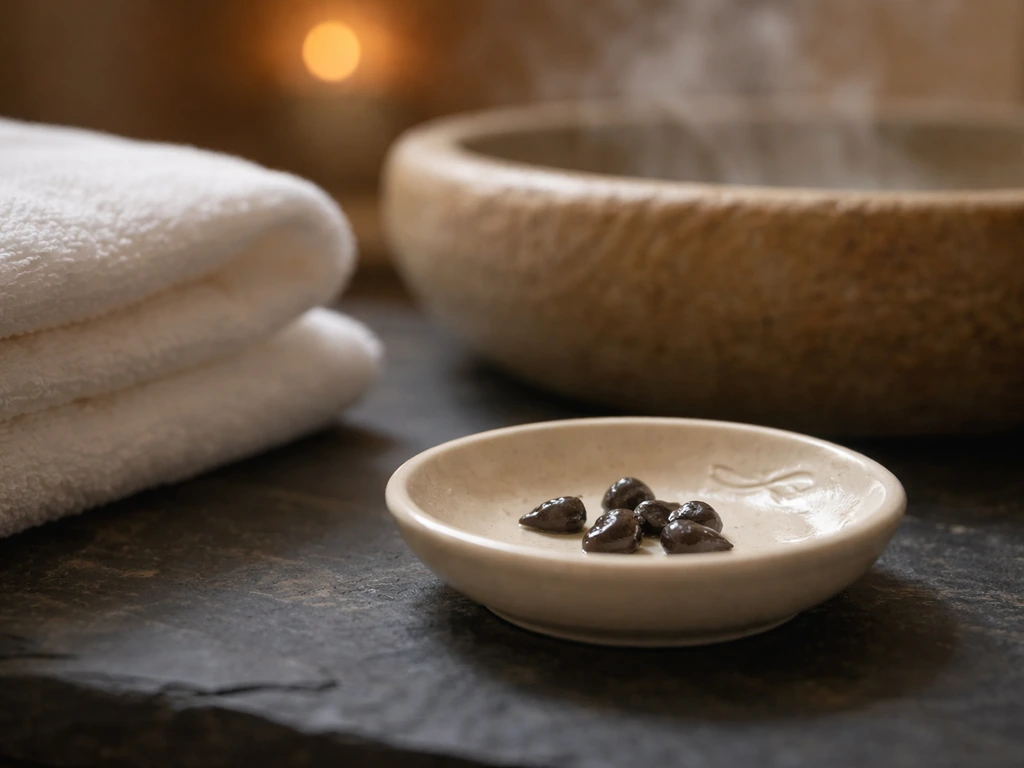
The most well-known version of this idea is the Japanese 'uguisu no fun' facial, which translates to 'nightingale droppings.' High-end spas in Japan and later in New York and London started offering these treatments, with some salons charging hundreds of dollars for a paste made from dried, UV-sterilized Japanese bush warbler droppings. The claim was that enzymes in the droppings gently exfoliate skin and leave it brighter. Celebrities reportedly tried it, beauty bloggers covered it, and suddenly bird poop facials had a moment.
Then there's the luck angle. Many cultures around the world consider being hit by bird poop a good omen, and some people loosely extend that idea into 'maybe it's good for you.' It's also tied into a broader trend of 'natural' or 'unconventional' skincare, where if something sounds weird enough, people assume there must be ancient wisdom behind it.
Here's the reality check: even the uguisu no fun treatments use droppings that are sterilized under UV light before being processed into a product. The droppings you encounter from pigeons, starlings, seagulls, or your pet parrot have not been sanitized in any way. The 'natural' label doesn't make something safe, and in this case it actively glosses over genuine hazards. As for plants, bird droppings can add nutrients, but the same uric acid and potential contaminants can harm sensitive foliage if you use it like fertilizer bird droppings and plants.
What's actually inside bird droppings
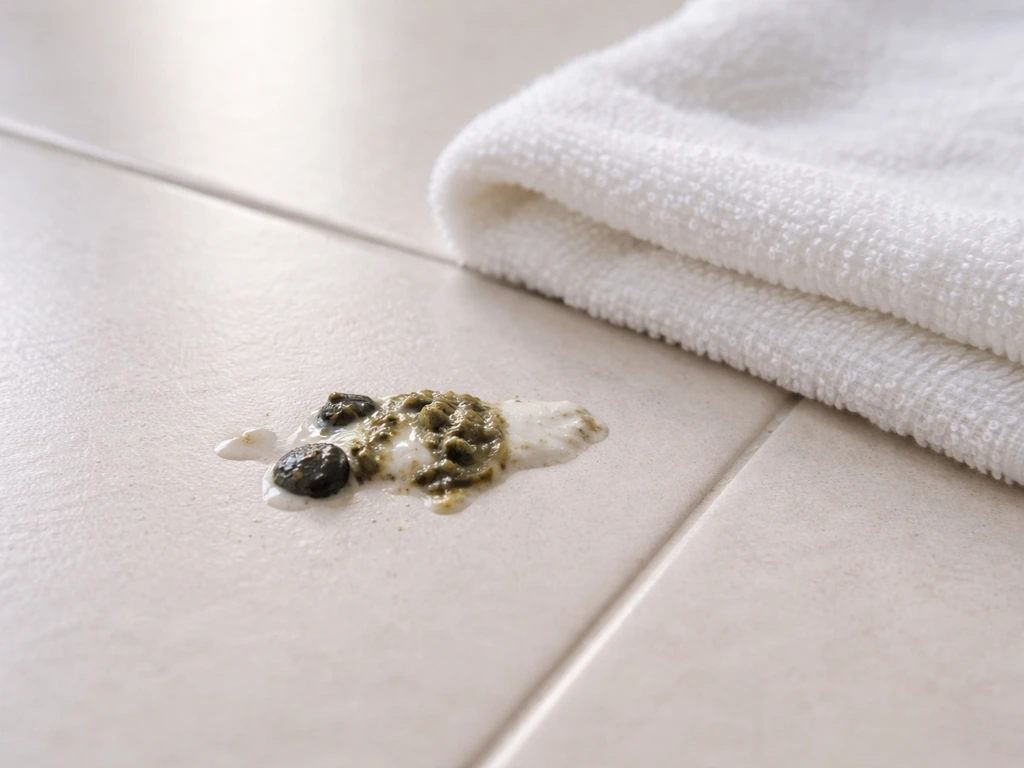
Birds excrete urine and feces together, so what lands on you is a combined waste product. The white part is uric acid, which is how birds excrete nitrogen. Uric acid is mildly acidic and can break down skin proteins with prolonged contact, which is part of why bird poop can damage car paint and why some people experience irritation. Beyond the chemistry, the biological content is the bigger concern.
- Bacteria: droppings can carry Salmonella, E. coli, Campylobacter, and Chlamydia psittaci (the cause of psittacosis). Virginia Tech research notes that infectious material in droppings can remain viable in the environment for several months.
- Fungi: Histoplasma capsulatum, the fungus responsible for histoplasmosis, is associated with bird and bat droppings. The CDC confirms it grows in soil enriched by droppings, and infection typically happens by inhaling disturbed spores.
- Parasites: bird droppings can carry parasites depending on the species, diet, and environment of the bird.
- Viruses: the CDC's bird flu guidance specifically warns backyard flock owners to avoid contact with bird waste because it can carry avian influenza virus.
- Uric acid: the acidic compound that makes up the white portion of droppings and can irritate or damage skin, especially on prolonged contact or over broken skin.
The Illinois Department of Public Health notes that disease organisms can grow and thrive in nutrient-rich accumulations of droppings, meaning the risk isn't just theoretical. It's proportional to the amount of material, how long it's been there, and your own immune status.
The real risks: irritation, burns, infection, and disease
Skin irritation and chemical burns
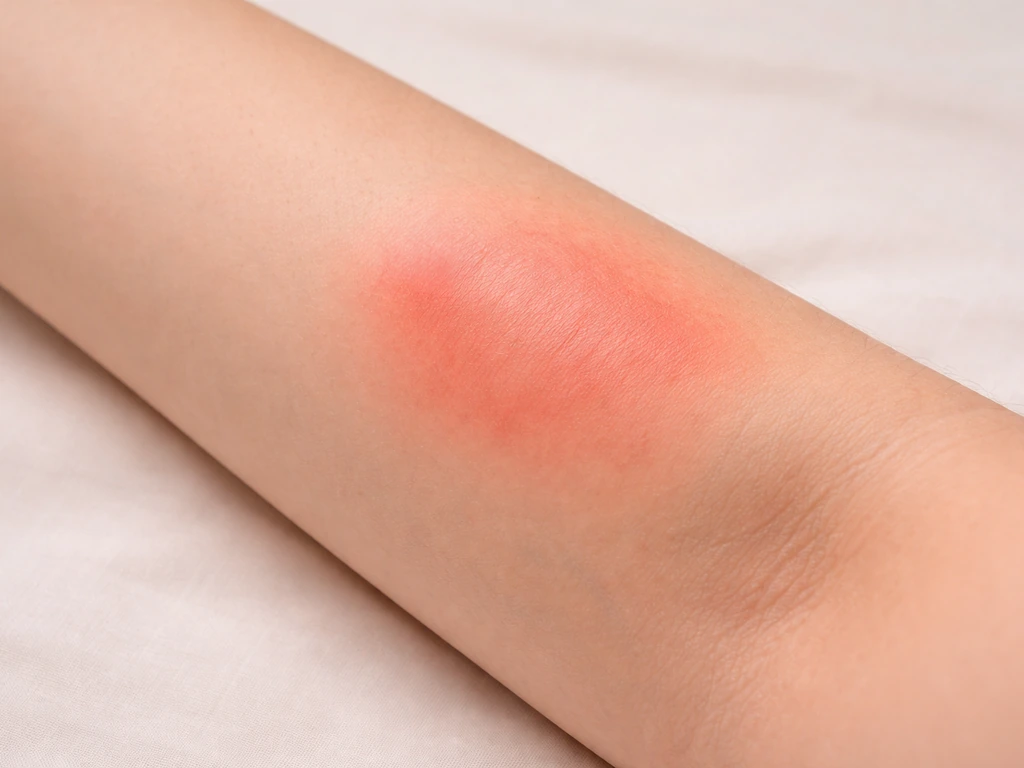
Uric acid doesn't usually cause a burn from a single brief splatter the way a strong chemical would. But if droppings sit on skin for an extended period, especially on thin or sensitive areas, the acidity can break down the skin barrier and cause redness, inflammation, and raw or irritated patches. This is worth knowing alongside the related question of whether bird poop can burn your skin, which becomes more relevant the longer the exposure lasts and the more sensitive your skin is. Chlorine is sometimes discussed for cleaning droppings, but it doesn't make bird poop harmless, so stick to safer cleanup steps instead whether bird poop can burn your skin.
Infection risk
blank" rel="noopener noreferrer">Psittacosis is usually spread by inhaling dust from dried droppings or handling infected birds, according to both the New York State Department of Health and a systematic review of transmission routes. The Illinois Department of Public Health also describes a cutaneous (skin) form of infection that can produce acne-like eruptions or ulcers with nodules beneath the skin following droppings exposure. This is rare but real, and it's the kind of outcome nobody expects when they're thinking about a quirky skincare experiment.
Respiratory risk when handling dried droppings
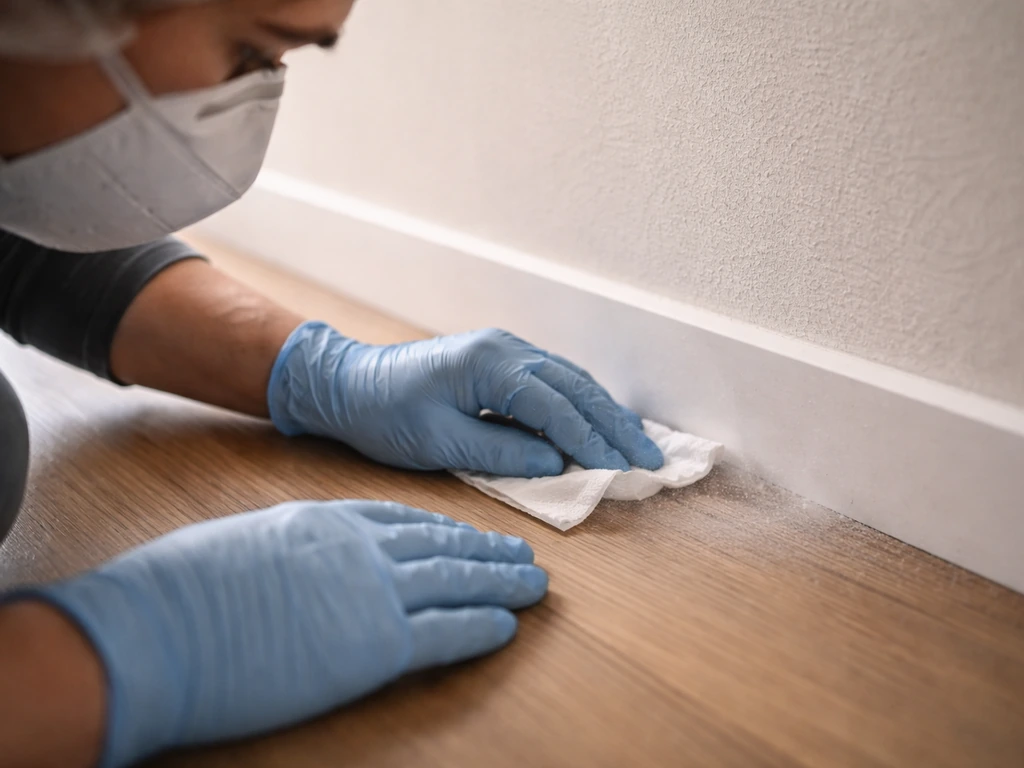
This one is particularly relevant if you're cleaning up rather than just getting splattered. Dry droppings become airborne when disturbed. The CDC, the New York State Department of Health, and the Illinois Department of Public Health all flag inhalation as the primary route for histoplasmosis, psittacosis, and bird flu exposure. Rubbing or scrubbing dried droppings off skin without wetting them first can send particles into the air and toward your face.
Who should absolutely avoid contact with bird droppings
For most healthy adults, a quick splatter from a passing bird is an unpleasant experience that's easily handled with soap and water. But certain people face meaningfully higher risk and should take extra precautions or avoid cleanup tasks entirely.
- People with compromised immune systems: NYC Health explicitly states that people with HIV/AIDS, cancer, or other conditions affecting immunity should not clean up bird droppings at all. The CDC Yellow Book reinforces that immunocompromised individuals face greater risk of serious illness from zoonotic exposures.
- Children: kids are more likely to touch their faces, less likely to wash hands immediately, and have less mature immune defenses. Keep them away from areas with droppings accumulation.
- Anyone with open wounds, eczema, or broken skin: an intact skin barrier is your first defense against bacteria and other pathogens. Cuts, rashes, blisters, or cracked skin all create direct entry points.
- People with known bird allergies or sensitivities: allergic reactions to proteins in droppings are possible and can range from contact dermatitis to more serious responses.
- Pregnant people: zoonotic infections carry additional risks during pregnancy, so extra caution around any animal waste is warranted.
- Pet owners handling sick birds: if a pet bird is unwell, its droppings are more likely to carry elevated levels of infectious material. Handle with gloves and clean exposed skin promptly.
What to actually use on your skin instead
If the appeal of bird droppings was exfoliation or brightening, there are well-tested alternatives that do the same job without the risk of a bacterial infection or an unpleasant afternoon. Is bird poop good for grass? In general, it's not a reliable or safe fertilizer, since droppings can introduce germs and chemicals into the soil. Bird poop can also harm grass when it contaminates the ground with germs and nutrients, so it's best to avoid using it as a fertilizer. If you're wondering whether bird poop kills plants, it's also generally not a reliable fertilizer because it can introduce germs and nutrients in an uneven way.
| Skincare Goal | Safe Alternative | Why It Works |
|---|---|---|
| Gentle exfoliation | Lactic acid or glycolic acid (AHAs) | Chemically exfoliates dead skin cells with controlled, tested concentrations |
| Brightening | Vitamin C serum or niacinamide | Well-studied actives that reduce pigmentation and improve skin tone |
| Pore minimizing | Salicylic acid (BHA) | Oil-soluble acid that gets into pores; ideal for oily or acne-prone skin |
| Enzyme exfoliation (closest to the 'bird poop' claim) | Papaya enzyme (papain) or pineapple enzyme (bromelain) masks | Plant-based enzymes that digest dead skin cells, sterilized and formulated safely |
| Hydration and barrier support | Ceramide or hyaluronic acid moisturizer | Rebuilds skin barrier without any infection risk |
Enzyme exfoliants made from papaya or pineapple are probably the closest legitimate comparison to the theoretical appeal of the uguisu no fun treatment. They're sold by reputable skincare brands, they've been tested for safety, and they won't give you psittacosis.
Got bird poop on your skin? Here's what to do
Step-by-step cleanup
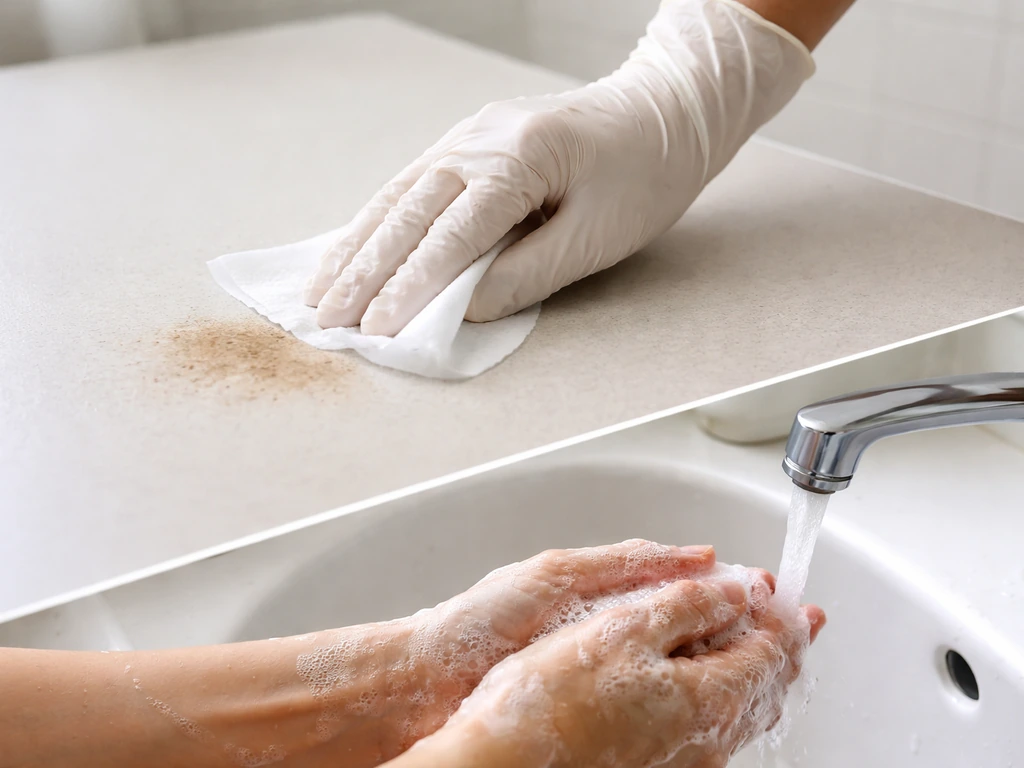
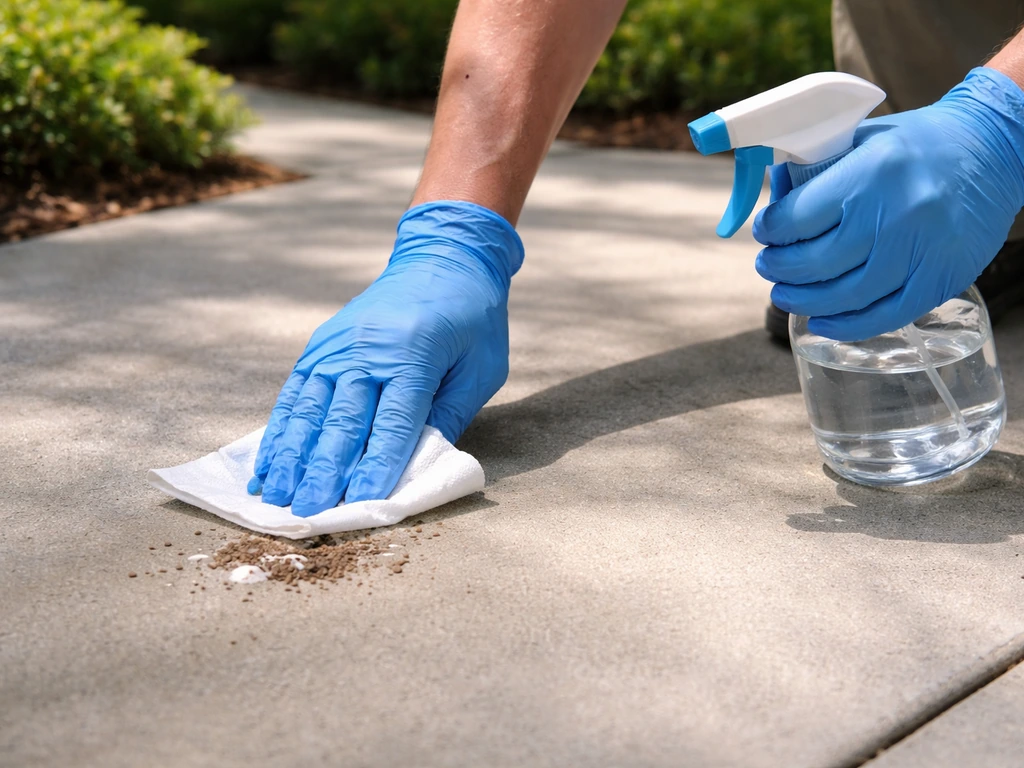
- Don't rub it dry. If the droppings are fresh, don't smear them. If they're dried, don't scrape them off dry because that can send particles airborne toward your face. Dampen first.
- Put on gloves if you have them available, especially if you're cleaning up a larger amount or have any cuts or skin conditions. Disposable gloves are ideal.
- Rinse the area with clean running water immediately. Flush the skin generously.
- Wash with soap and water. The CDC, NYC Health, and most public health guidance is consistent on this: thorough handwashing and skin washing with soap and water is the primary defense after exposure to animal droppings.
- Avoid harsh scrubbing. You want to remove the material, not damage your skin barrier in the process. Gentle washing is enough.
- Wash any clothing that was contaminated separately from your regular laundry. NYC Health recommends wearing clothing that can be washed (or disposed of) when handling droppings.
- Wash your hands again after removing gloves and handling any contaminated clothing.
What to watch for afterward
For most people, prompt washing is all that's needed and no symptoms will follow. But pay attention over the next few days for any of these signs that something more is going on:
- Redness, swelling, or a rash at the site of contact that gets worse rather than better
- Persistent itching, blistering, or a feeling of burning on the skin
- Skin lesions, pustules, or lumps developing near the exposure area
- Fever, chills, or flu-like symptoms appearing within days of exposure
- Eye irritation or redness if droppings made contact near the eyes
- Any respiratory symptoms if you may have inhaled dust from dried droppings
When to call a doctor or Poison Control
If you're experiencing skin symptoms that aren't resolving, or if the exposure was significant (a large amount of droppings, contact with broken skin, or contact near the eyes or mouth), don't wait. See a doctor. If you're unsure whether the exposure warrants a medical visit, Poison Control in the US can help you assess your situation by phone or online. They evaluate exposures based on the substance, the amount, the route, your symptoms, and the time since exposure. For skin or eye splashes specifically, Poison Control recommends reaching out to get personalized guidance rather than guessing. The US national number is 1-800-222-1222 and is available 24 hours.
For most healthy adults, bird poop on intact skin that gets washed off promptly is not a medical emergency. But if you're immunocompromised, if a child was involved, if there's an open wound in the exposure area, or if you develop any symptoms at all, getting professional input is the right call. Better to spend five minutes on the phone with Poison Control than to wonder for a week whether that rash is something to worry about.
FAQ
If I just got a tiny splatter on intact skin, what’s the safest immediate cleanup step?
Rinse with cool to lukewarm running water first, then wash with mild soap and avoid scrubbing. Keep it away from your eyes and mouth during cleanup, and remove any contaminated clothing or jewelry because dried residue can keep irritating skin even after the first wash.
Should I disinfect bird poop with hydrogen peroxide or chlorine before washing it off my skin?
Do not rely on disinfectants to “cancel” the risk. The safer approach is thorough washing with soap and water, and then watching for symptoms. Using harsh chemicals can further damage the skin barrier, increasing irritation.
How long is “too long” for bird poop to sit on skin before I should worry?
Even without a dramatic burn, prolonged contact can compromise the skin barrier, especially on thin areas (eyelids, neck, genitals) or if skin is damp. If you cannot rinse within a short time or the residue was left on purpose, treat it as higher risk and monitor closely for redness, swelling, or persistent soreness.
What if bird poop gets into a cut or on broken skin?
That’s a higher-risk scenario because organisms can enter through the wound. Rinse immediately with running water, wash gently with soap around the area, and consider medical advice promptly, especially if the wound is deeper, you cannot clean it well, or you develop worsening redness, pus, or fever.
Is it safe to put bird poop paste on face skin if it’s “sterilized” or “UV treated”?
Not without strong, credible evidence for that specific product and a reliable safety process. The article highlights that actual droppings you encounter (including from common birds and pets) are not sanitized, and even the marketed concept depends on processing details that are not comparable to what a person collects at home.
Does bird poop affect acne, eczema, or other sensitive skin conditions more than normal skin?
Yes. If you have eczema, rosacea, active acne lesions, dermatitis, or frequent skin barrier problems, the acidity and irritant load can worsen inflammation. In these cases, skip the “natural remedy” idea entirely and clean off quickly, and get professional input if symptoms flare or spread.
Can bird poop exposure cause eye problems even if I wash right away?
Yes. Eye splashes are a distinct concern because irritation can persist after the initial rinse. If it gets in your eye, flush with clean water or saline continuously for several minutes, remove contact lenses if you can do so easily, and seek medical advice if there is pain, light sensitivity, or ongoing redness.
What symptoms should make me call Poison Control or a clinician after bird poop contact?
Contact a professional if you develop symptoms near the eyes or mouth, if symptoms worsen rather than improve over 24 to 48 hours, or if you have fever, breathing symptoms, blistering, rapidly spreading redness, or drainage. Also call if exposure involved a significant amount, dried material that was disturbed, or any open wound.
If I inhaled dust from dried bird droppings while cleaning, what should I watch for?
Watch for respiratory symptoms such as persistent cough, fever, shortness of breath, or unusual fatigue developing after exposure. Avoid further disturbance, and if symptoms appear or you feel unwell, get medical evaluation and mention droppings cleanup because the route of exposure matters.
Are there any truly “bird-poop-like” exfoliants that are safer?
Look for regulated enzyme exfoliants such as papaya or pineapple-based products from reputable brands. These are designed for topical use, with defined ingredients and tolerable application methods, unlike bird droppings where the chemical and biological mix is unpredictable.
Is bird poop ever okay to use as compost or for fertilizer on edible plants?
It’s generally not recommended for gardens where humans or pets may later contact or eat the produce. The article notes uneven contamination risk with germs and nutrients, so consider safer composting methods or alternative fertilizers instead of applying raw or casually handled droppings.
If my hair gets bird poop, what’s the best way to clean it without making the exposure worse?
Wet the area thoroughly first to prevent aerosolizing dried residue, then shampoo carefully and rinse well. Avoid aggressive rubbing with dry hair, and keep product and water away from your eyes. If you develop scalp burning, persistent irritation, or rash, seek medical advice.