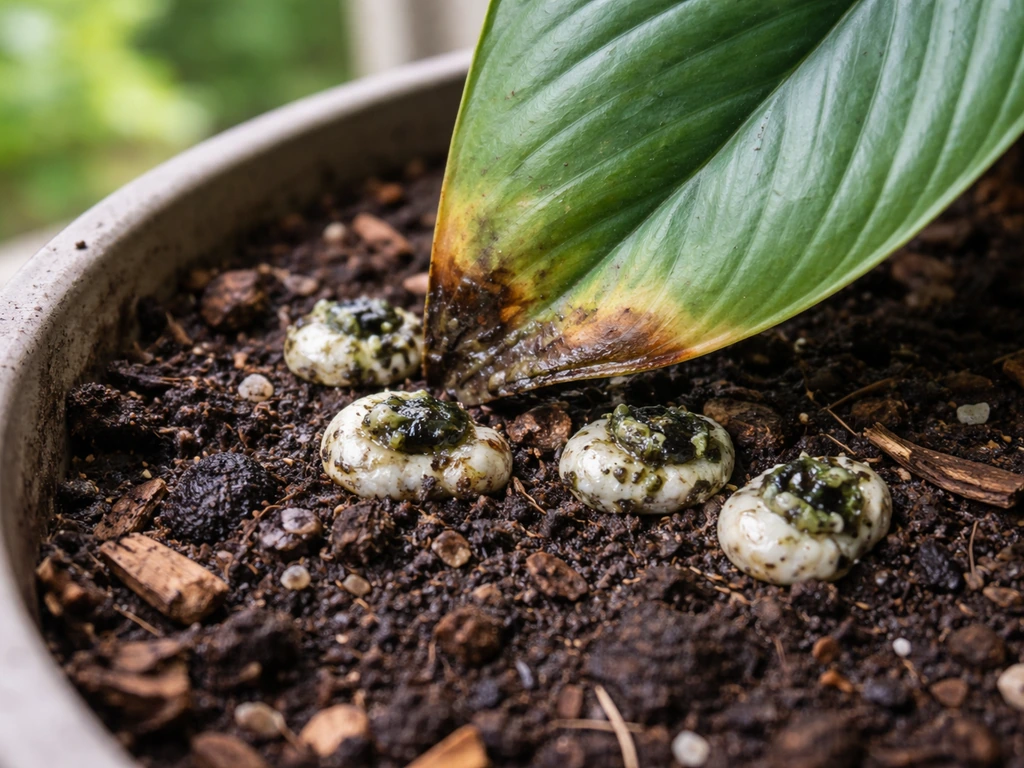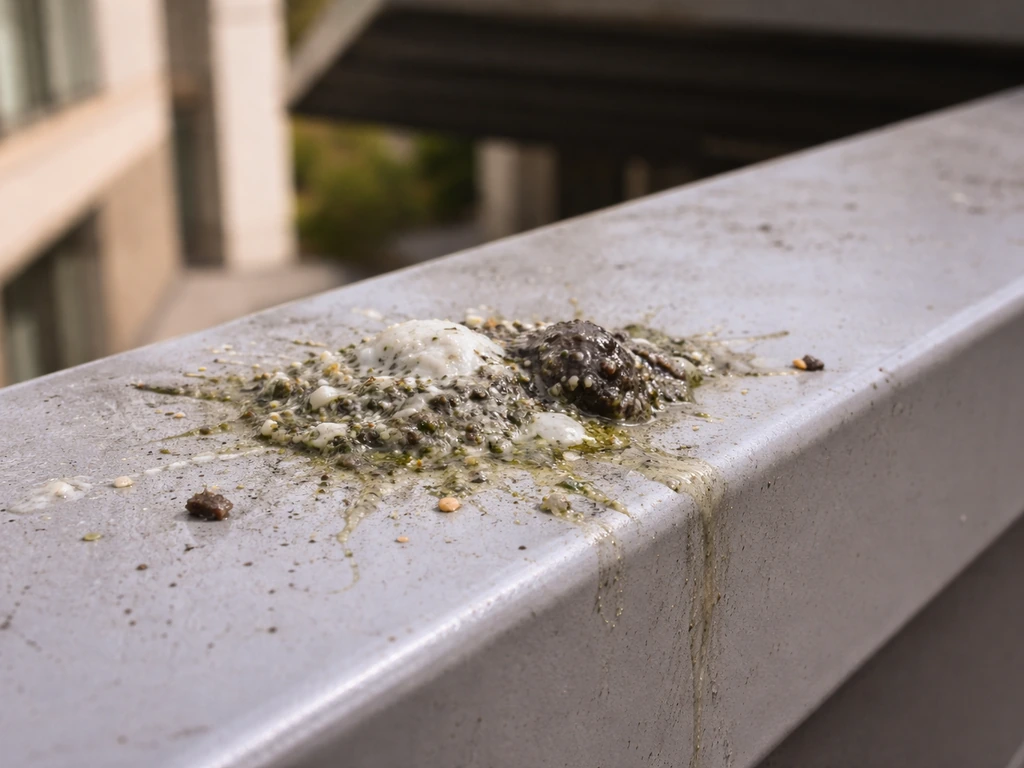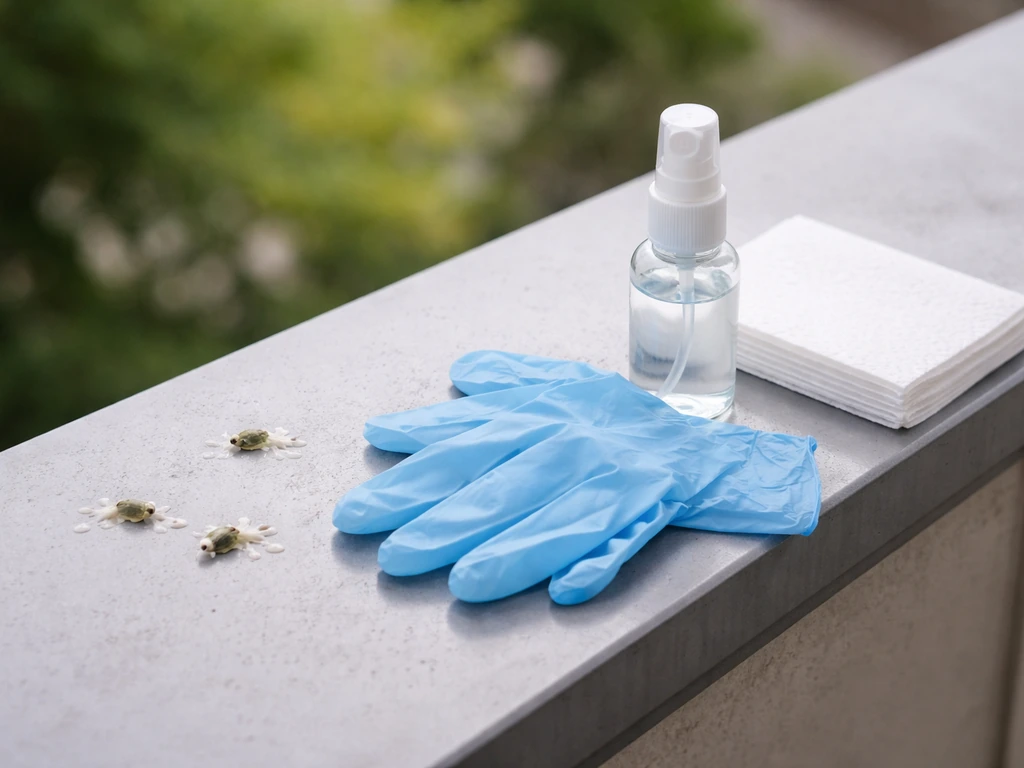
Yes, bird droppings can cause lung problems, and the biggest risk comes not from fresh poop but from dried droppings that crumble into dust and get inhaled. When that dust carries fungal spores or bacteria, it can trigger anything from mild respiratory irritation to a full-blown lung infection. For most healthy people a brief, small-scale exposure is unlikely to cause serious harm, but anyone doing a big cleanup, working around heavy accumulations, or dealing with a weakened immune system needs to take this seriously.
Can Bird Droppings Cause Lung Problems? Symptoms and What to Do

Marcus Fielding
16 Jun 2026
How bird droppings actually affect your lungs
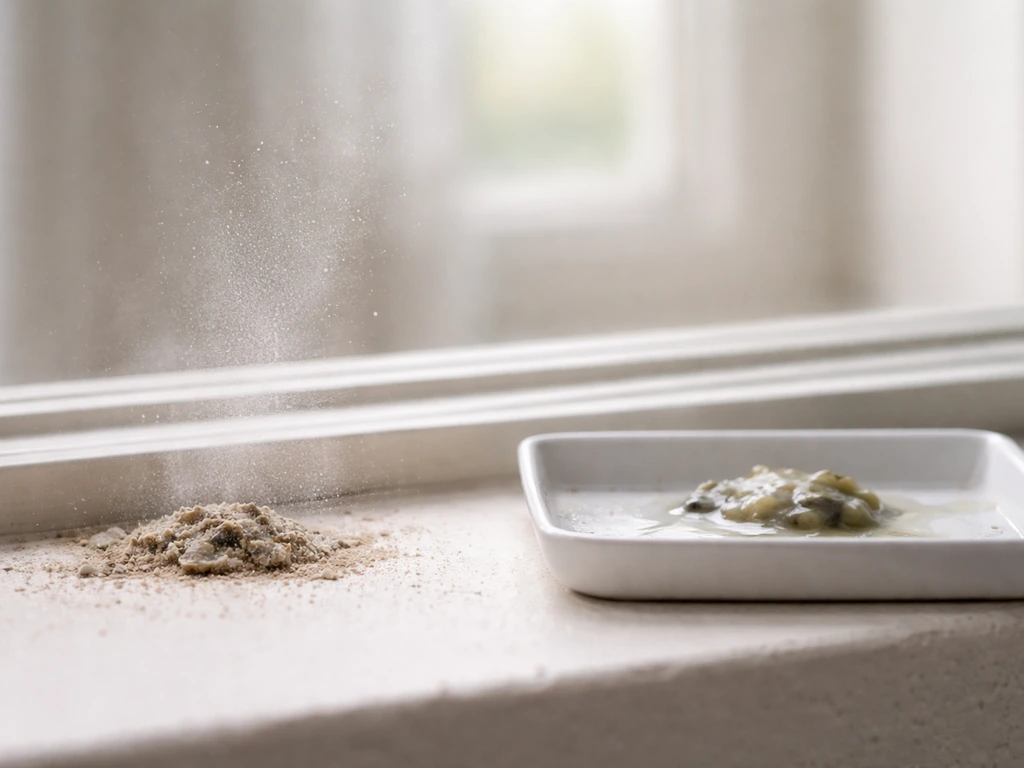
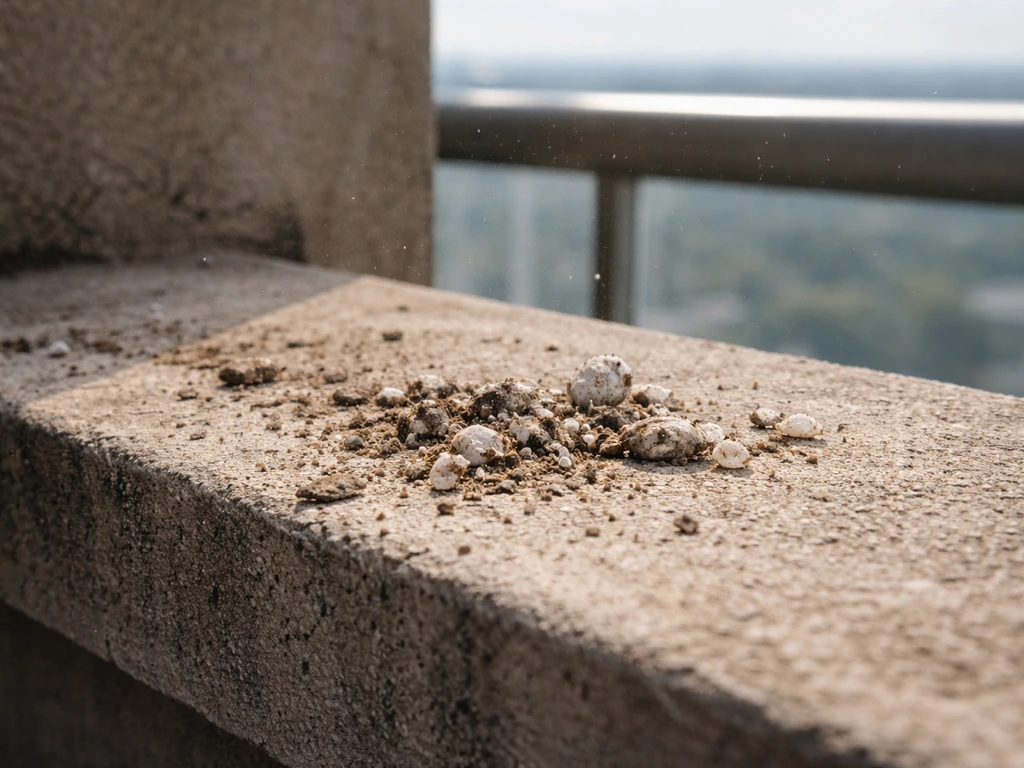
The mechanism is straightforward: fresh bird droppings are wet and mostly harmless to breathe around. Once they dry, though, they become brittle and can break into fine particles small enough to travel deep into your airways. Those particles can carry fungal spores, bacteria, or other biological material depending on what birds have been roosting in the area. The two most talked-about lung threats from bird and bat droppings are histoplasmosis, caused by inhaling Histoplasma capsulatum spores that grow in soil enriched by droppings, and psittacosis (also called parrot fever), a bacterial infection spread by breathing in dust from dried bird secretions or feces. Beyond infection, droppings can also trigger allergic reactions, worsen asthma, or cause a condition called bird fancier's lung, a type of hypersensitivity pneumonitis that develops after repeated inhalation of proteins from feathers and droppings.
The CDC confirms that the most common route of psittacosis infection is breathing in dust from dried droppings or secretions, and that histoplasmosis risk rises sharply when activities disturb soil or accumulations that contain bird or bat feces. That means the cleaning process itself is often the moment of greatest danger, not simply being near birds.
Who is most at risk for respiratory problems
Healthy adults who have a brief, incidental encounter with bird droppings, say a splat on the car roof or a dropping on the balcony railing, face a low risk. The risk picture changes significantly for certain groups. NYC Health is explicit that people with compromised immune systems should not clean bird droppings at all, and should leave the job to someone else.
- People with HIV/AIDS, cancer, or who are on immunosuppressive medications: far more vulnerable to histoplasmosis and other opportunistic infections from droppings
- People with asthma or COPD: inhaled particles can trigger flares even without a true infection
- Pet bird owners: regular, prolonged exposure to droppings and feather dust in an enclosed space raises the risk of bird fancier's lung over time
- Workers and hobbyists with frequent exposure: roofers, HVAC technicians, pest control workers, and pigeon fanciers all face elevated risk from repeated inhalation
- Children and older adults: generally more vulnerable to respiratory infections and slower to clear inhaled irritants
- Anyone cleaning a large accumulation: the more dried material being disturbed, the higher the dust load and infection risk
How real-life exposure actually happens
It helps to think about exposure in terms of what you are actually doing, not just where you are. Walking past a pigeon roosting area on a dry, still day is a very different risk level from sweeping out a barn attic full of dried bat and bird droppings.
Cleanup and maintenance work
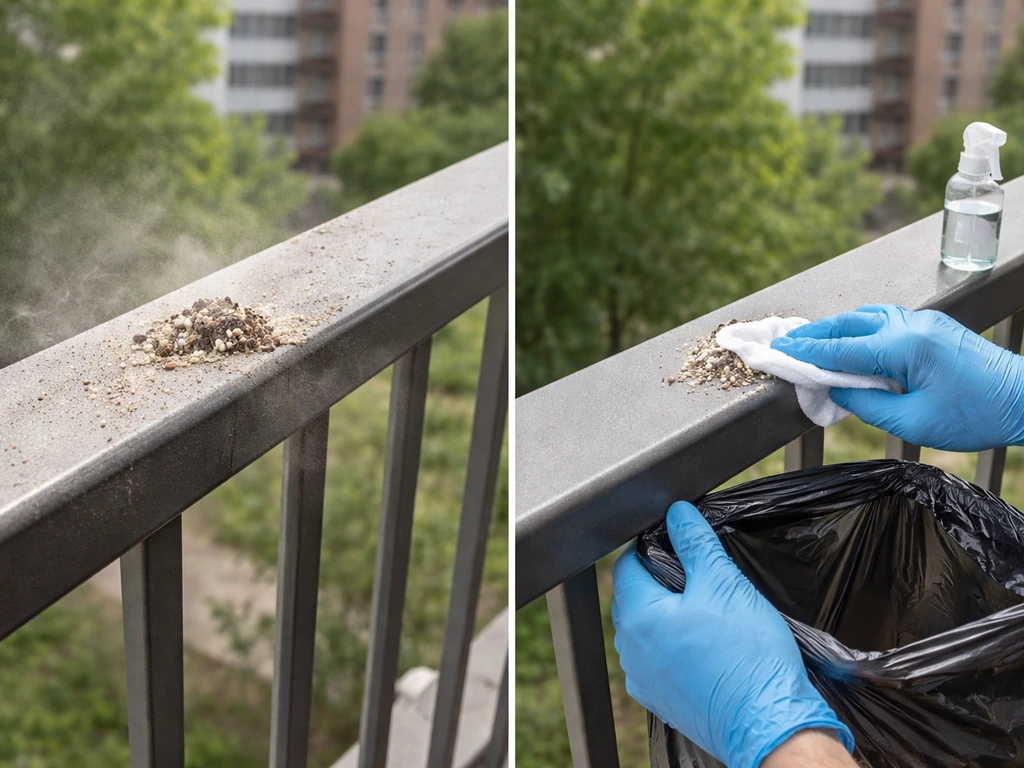
This is where most serious exposures happen. Dry sweeping, pressure washing without containment, or shoveling accumulated dried droppings sends a cloud of contaminated dust straight into the air you are breathing. The CDC and NIOSH both flag shoveling and sweeping dry, dusty bird-dropping material as high-risk activities. OSHA guidance treats bird droppings as a biological contamination hazard, so cleanup should be handled with appropriate protective equipment and controls high-risk activities. Even using a regular household vacuum can aerosolize fine particles right through the filter and back into the room.
Cars, balconies, and rooftops
A few droppings on your car hood or balcony railing are a common nuisance, and blank" rel="noopener noreferrer">routine cleaning of small amounts carries a low risk for most healthy people, according to NYC Health. If you are also wondering can bird droppings kill plants, that is a separate concern from respiratory risks, but it is still tied to how long droppings and contaminated residue sit before cleaning. The concern rises if droppings have been accumulating unnoticed in an enclosed area, like a covered parking garage, under eaves, or in a rooftop HVAC unit intake, where dried material can be repeatedly disturbed and concentrated.
Pet bird households
Parrots, cockatiels, and other caged birds produce droppings and feather dust constantly. In a small, poorly ventilated room, this builds up on surfaces and in the air over time. Bird fancier's lung develops gradually through this kind of low-level, repeated inhalation, which is why pet bird owners sometimes develop symptoms years into owning birds without connecting the dots.
Outdoor soil disturbance
Histoplasma grows in soil that has been enriched by bird or bat droppings over time, particularly in river valleys, under old trees where birds roost, and in old chicken coops or barns. Digging, mowing, or demolition near these sites can release spores. This is less about bird poop itself and more about the contaminated soil underneath years of accumulation.
Symptoms to watch for and when to get help
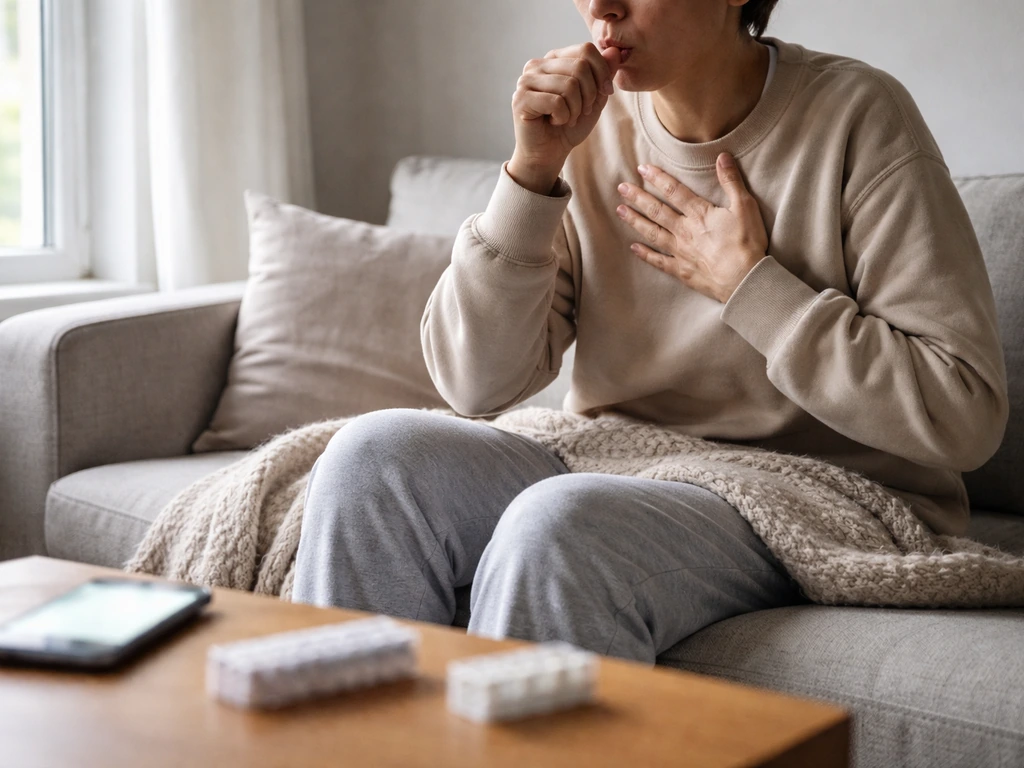
Symptoms can range from immediate irritation to delayed infection, sometimes appearing days or even weeks after exposure, which is part of why people often do not connect the two.
| Type of reaction | Symptoms | Typical timing |
|---|---|---|
| Irritant response | Coughing, sneezing, watery eyes, scratchy throat | During or immediately after exposure |
| Allergic/asthma flare | Wheezing, chest tightness, shortness of breath | Minutes to hours after exposure |
| Psittacosis (bacterial) | Fever, chills, headache, muscle aches, dry cough, shortness of breath | 5 to 19 days after exposure |
| Histoplasmosis (fungal) | Fatigue, fever, dry cough, chest discomfort | 3 to 17 days after exposure |
| Bird fancier's lung | Recurring cough, breathlessness, fatigue, weight loss | Weeks to months of repeated exposure |
Seek medical help promptly if you develop a fever above 38.5°C (101.3°F) along with respiratory symptoms after a known exposure, if you experience significant shortness of breath or chest pain, or if symptoms last more than a few days without improvement. Tell your doctor specifically about the bird-dropping exposure and the circumstances (small splash vs. extended dusty cleanup), because it directly affects the diagnostic possibilities. For people who are immunocompromised, do not wait: call your doctor the same day you notice any new respiratory symptoms after exposure.
What to do right now if you have already been exposed
- Leave the area immediately if you are still in the exposure zone. Fresh air reduces ongoing inhalation of any contaminated dust.
- Wash your hands and face thoroughly with soap and water. If the exposure was significant (you were in a dusty enclosed space), change clothes and shower.
- Do not touch your mouth, nose, or eyes until you have washed your hands.
- Ventilate the space by opening windows and doors, but do not use fans that blow air across dry droppings.
- If you were wearing a respirator or mask, remove it carefully by the straps, not the front, and wash your hands afterward.
- Monitor yourself for symptoms over the next two to three weeks. Note the date of exposure so you can report it accurately to a doctor if needed.
- If you are immunocompromised or already have a respiratory condition like asthma or COPD, contact your doctor or a nurse line today, even if you feel fine.
How to clean up bird droppings safely
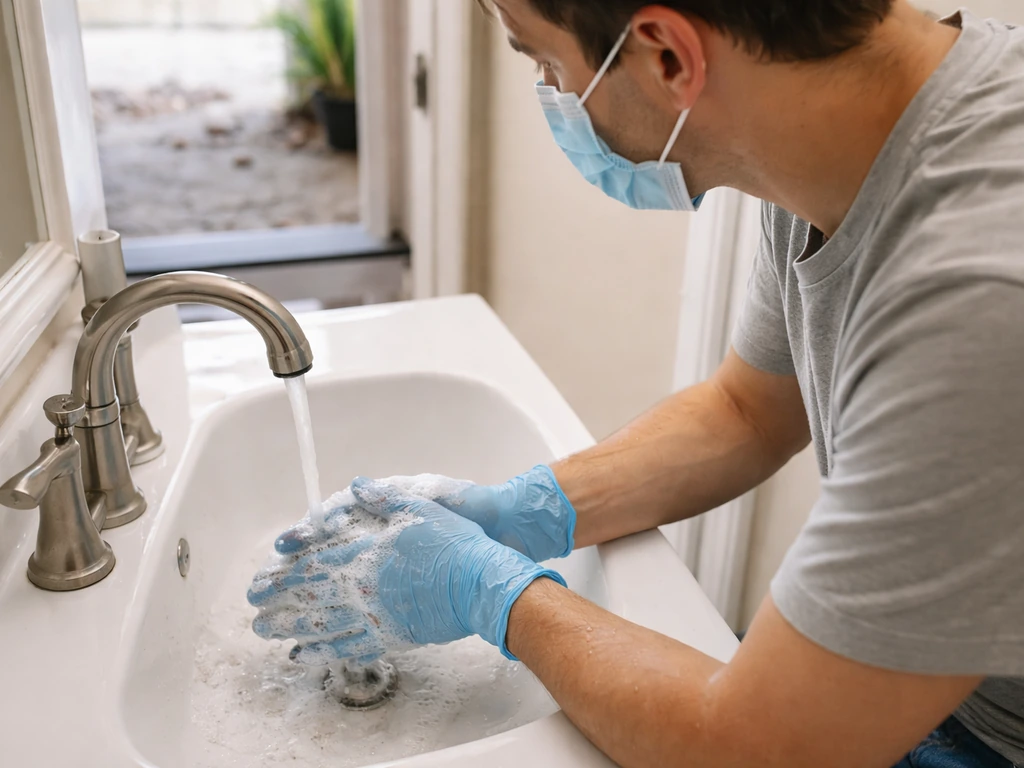
The single most important rule is: do not dry sweep, do not vacuum with a standard vacuum, and do not use a pressure washer without containment. All three methods throw fine particles into the air. Here is how to do it properly. If you want to reduce risk and protect yourself, follow bird droppings health and safety guidance before you start any cleanup.
PPE before you start
- Respirator: for any meaningful cleanup, use an N95 respirator at minimum. A surgical mask does not filter fine particles adequately. For large accumulations, a half-face respirator with P100 filters is better.
- Gloves: disposable nitrile gloves. Double-glove for large cleanups.
- Eye protection: safety glasses or goggles to prevent splash or dust contact.
- Disposable coveralls or old clothes you can bag and wash immediately at high temperature.
- Closed-toe shoes that can be cleaned or covered with disposable boot covers.
The wet method: what actually works
- Wet the droppings thoroughly before touching them. Use a spray bottle with a diluted disinfectant solution (a 10% bleach solution or an EPA-registered disinfectant works well). Let it soak for a few minutes.
- Wipe or scoop the wetted material into a heavy-duty plastic bag. Do not stir it up.
- For larger accumulations, use a HEPA-filter industrial vacuum (not a regular household vacuum) to remove residue after wetting.
- Disinfect the surface again after removal and let it air dry.
- Seal all waste in double plastic bags, label as biohazardous if your local rules require it, and dispose according to local guidelines.
- Remove and bag your PPE carefully. Wash all reusable items and shower immediately.
When to call a professional
NYC Health specifically recommends professional help for large accumulations, such as those found in air shafts, attic spaces, or large rooftop areas, because the dust load is too high for safe DIY cleanup. If the accumulation fills more than a small bucket's worth, covers a broad area, or is inside an enclosed space with poor ventilation, hire a certified remediation company. They have the equipment and training to handle it without creating a health hazard for you or your neighbors.
Preventing future exposure and long-term risk reduction
Prevention is mostly about reducing bird access and dealing with droppings before they accumulate and dry into dust. A few practical steps make a meaningful difference.
- Bird-proof roosting spots: use physical deterrents like bird spikes, netting, or sloped surfaces on ledges, balconies, eaves, and rooftops where birds congregate.
- Clean frequently so droppings never build up: a small, fresh accumulation is far easier and safer to clean than a months-old dried deposit.
- Check HVAC intakes and air shafts: birds love to roost near warm air intakes. Have these inspected and screened regularly.
- For car owners: park in a garage or under a cover if birds roost overhead. Clean fresh droppings with a wet wipe while they are still damp rather than letting them dry and crack.
- For pet bird owners: clean cages and perches regularly using the wet method. Keep bird areas well-ventilated, and consider an air purifier with a HEPA filter in the room. If you develop a persistent cough or breathlessness, mention your birds to your doctor.
- After flooding or heavy rain: check under eaves and in gutters for accumulated droppings that get rewetted and then dry again. These cycles concentrate material and make it more likely to flake off as dust.
- Gardeners: if you are digging in an area under a long-standing bird roost or an old chicken coop, wear an N95 and wet the soil before disturbing it.
Myths vs. facts about bird droppings and health
Bird poop carries a lot of cultural baggage alongside the genuine science. Here is a quick reality check on the most common beliefs.
| Belief or myth | The actual fact |
|---|---|
| Getting pooped on by a bird is good luck | A superstition found in several cultures (Russian, Italian, Turkish, among others) tied to the rarity and surprise of the event. It does not have any basis in biology, but there is no harm in enjoying the silver lining. |
| Bird poop on your skin will give you a disease | Skin contact with fresh droppings is very low risk for most healthy people. Wash it off with soap and water and move on. The real risk is inhalation of dried material, not a splash on your arm. |
| Any contact with bird droppings is dangerous | Routine cleaning of small amounts, like a dropping on a windowsill, does not pose a serious health risk for most people. Scale and inhalation are what matter. |
| You can get histoplasmosis just from walking near birds | Histoplasmosis requires inhaling Histoplasma spores, which grow in contaminated soil, not simply from passing birds on the street. The risk is highest when disturbing accumulated droppings or enriched soil. |
| Pigeon droppings are uniquely toxic compared to other birds | Pigeon droppings carry the same general risks as other birds. Pigeons get more attention because they concentrate in urban areas in large numbers, creating heavier accumulations. |
| A regular dust mask is good enough for cleanup | A standard paper or surgical mask does not filter the fine particles from dried droppings effectively. An N95 respirator is the minimum appropriate protection for any real cleanup job. |
The bottom line is that bird droppings are a genuine, if often overstated, respiratory hazard. The danger is almost always tied to the amount of dried material, the degree of disturbance, and the vulnerability of the person involved. A one-time small exposure for a healthy adult is unlikely to cause lasting harm, but the same exposure for someone immunocompromised, or a repeated DIY cleanup of a large accumulation without protection, is a real risk worth taking seriously. The full picture of bird-dropping health risks, including how they connect to broader concerns like skin exposure and disease transmission, is worth understanding if you are around birds regularly.
FAQ
Can bird droppings cause problems even if I did not breathe any visible dust?
Yes, but the risk depends on aerosolization. If droppings are still wet, the main exposure is usually limited to splashes. If residue has dried on surfaces, it can become dust later (for example when you wipe, sweep, or walk through it), so you can still develop symptoms even if you did not see visible dust during the initial event.
Is it safe to clean bird droppings with a regular vacuum?
Try not to rely on a typical home vacuum. Standard vacuums can create a visible or invisible aerosol of fine particles, and the droppings may pass through or leak around the filter. If you must remove small amounts, use methods that keep material damp and contained, and consider a HEPA-rated vacuum plus proper sealing and PPE, rather than a regular household unit.
How long after exposure should I worry about symptoms?
For most healthy people, a brief splash on a balcony or car roof is unlikely to cause lung disease, but you should watch for symptoms in the days that follow. Stop further exposure, avoid disturbing residue, and contact a clinician if you develop fever, worsening cough, wheeze, chest tightness, or shortness of breath.
What should someone immunocompromised do if they already had to handle bird droppings?
If you are immunocompromised, the safer decision is to avoid cleanup entirely and have someone else handle it with appropriate containment and PPE. If you cannot avoid exposure, contact a clinician promptly when respiratory symptoms start, because delayed treatment can be more serious for fungal or atypical bacterial infections.
What if I just have a cough or allergy symptoms after cleaning?
Do not wait for a skin-only or allergy-only explanation. Allergic reactions and hypersensitivity can still affect breathing, and infections can start with mild, nonspecific symptoms before they worsen. If symptoms persist beyond a few days, worsen, or include fever, chest pain, or significant shortness of breath, seek medical care and mention the dust exposure and cleanup type (small splash versus dusty buildup).
Does the risk apply if I’m gardening or working in the yard near bird droppings?
There is a practical reason: soil-borne fungal spores can be released when you disturb contaminated ground, not only when you touch droppings. Gardening, digging, mowing, demolition, or pressure washing outdoors near roosting areas can increase airborne spore load, so use containment and respiratory protection for those activities as well.
Can repeated exposure in a small room cause long-term lung problems?
Yes. Repeated low-level exposures, especially in enclosed or poorly ventilated rooms with pet birds, can lead to hypersensitivity pneumonitis (bird fancier’s lung). In these cases, symptoms often build gradually, so reduced exposure alone may not be enough, and ongoing breathing symptoms warrant medical evaluation.
What should I do if I find bird droppings near a rooftop HVAC intake?
If droppings are inside an HVAC intake, you cannot assume it is harmless because the system can spread contaminated dust through the building. Treat it as a professional job, shut down or isolate airflow if possible, and have ventilation components evaluated or cleaned by a qualified contractor to prevent redistributing particles.
At what point should I hire a professional instead of doing it myself?
While most small cleanups carry low risk, the threshold for professional help is not just quantity. Any broad accumulation, work in an enclosed space (attic, crawlspace, garage), visible dust during cleanup, or uncertainty about how long it has been there are good reasons to hire remediation. The goal is to prevent high dust loads and neighborhood spread.