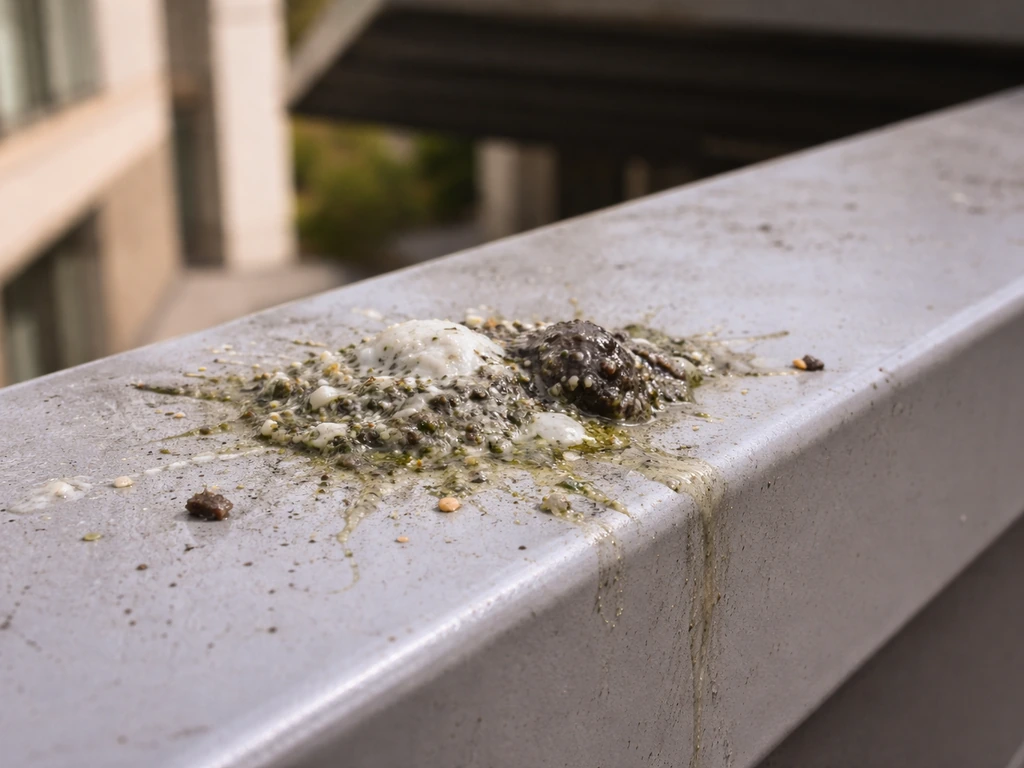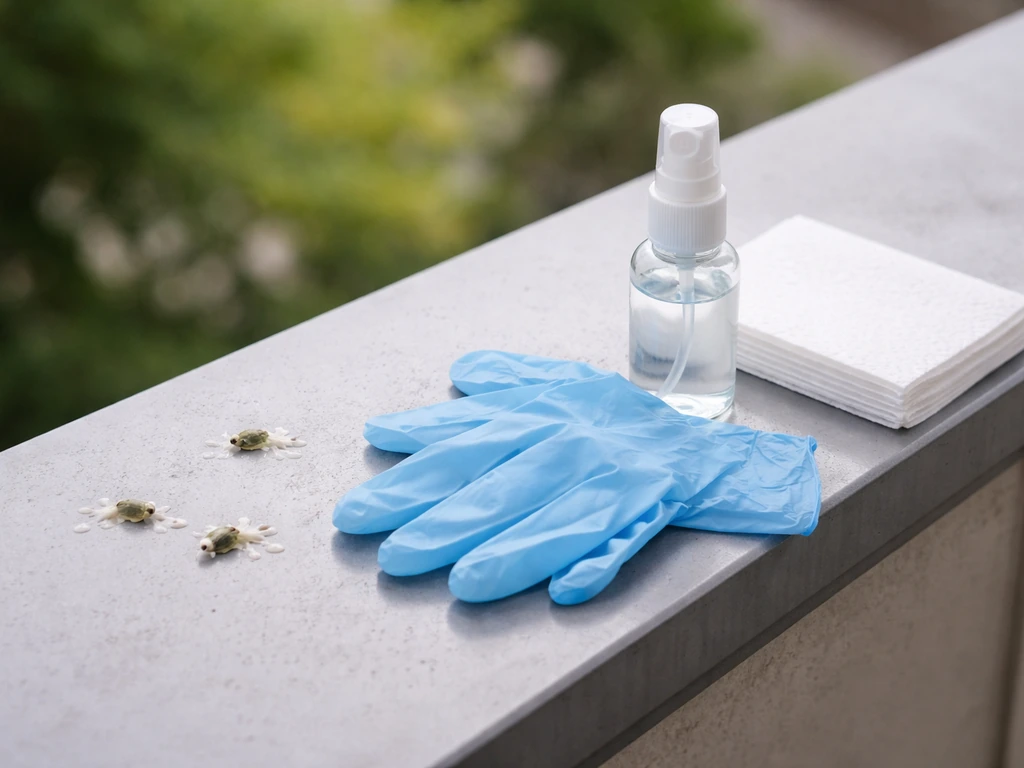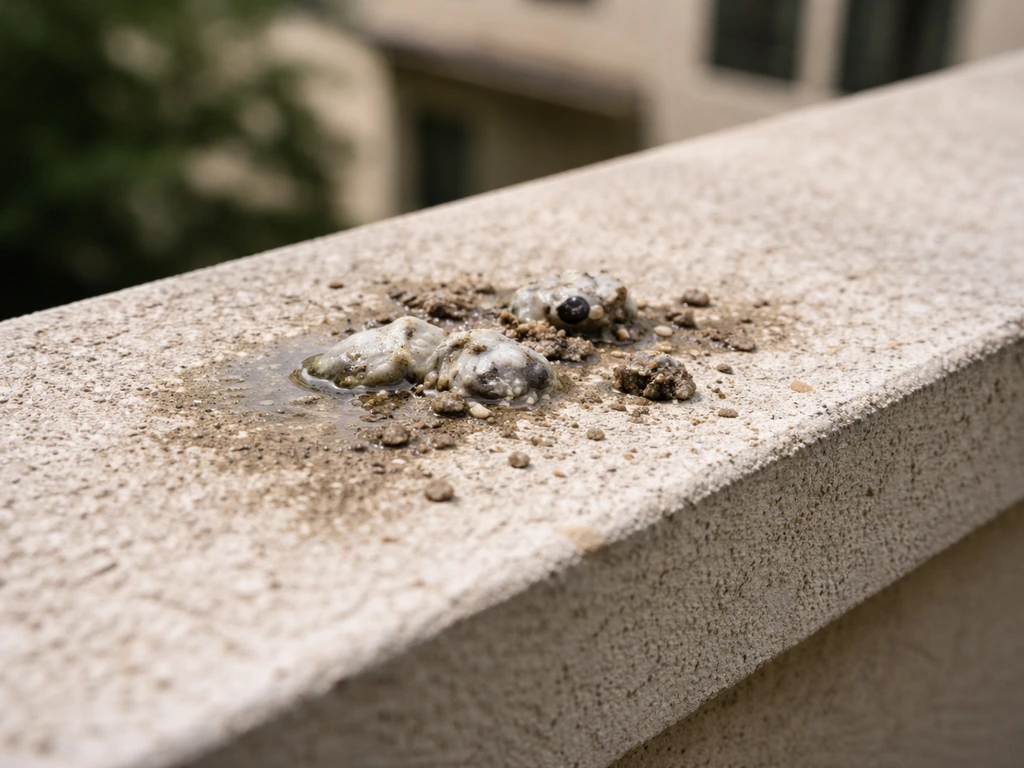
Bird droppings can absolutely kill plants, but it usually takes more than a single splat to do it. The real danger is concentrated, repeated deposits on the same spot, especially on small or young plants. For safety, understand whether is bird droppings dangerous in your specific situation, especially if deposits keep building on the same spot real danger is concentrated, repeated deposits. A big pile of droppings on a seedling or a potted herb can scorch leaves, push soil nitrogen way past healthy levels, and create a salt and pH imbalance that roots simply cannot survive. That said, a light scattering of bird poop on a large established shrub? That's basically free fertilizer. The outcome depends almost entirely on quantity, frequency, plant size, and what you do next.
Can Bird Droppings Kill Plants? Fix It Fast

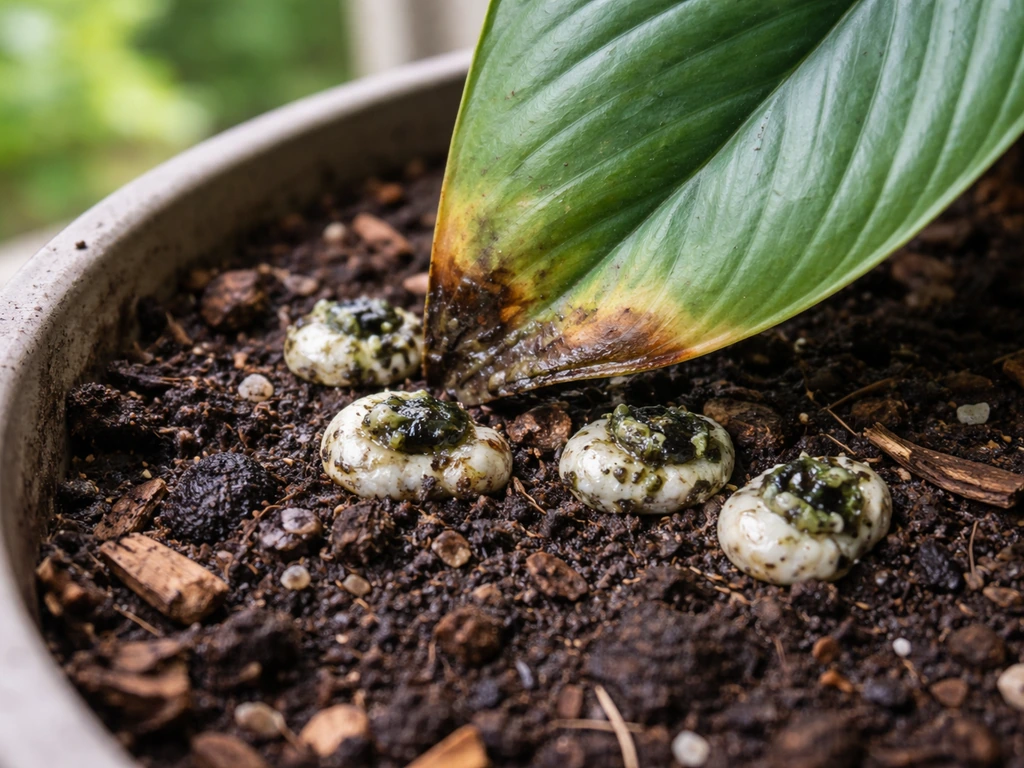
When bird poop actually becomes a plant killer
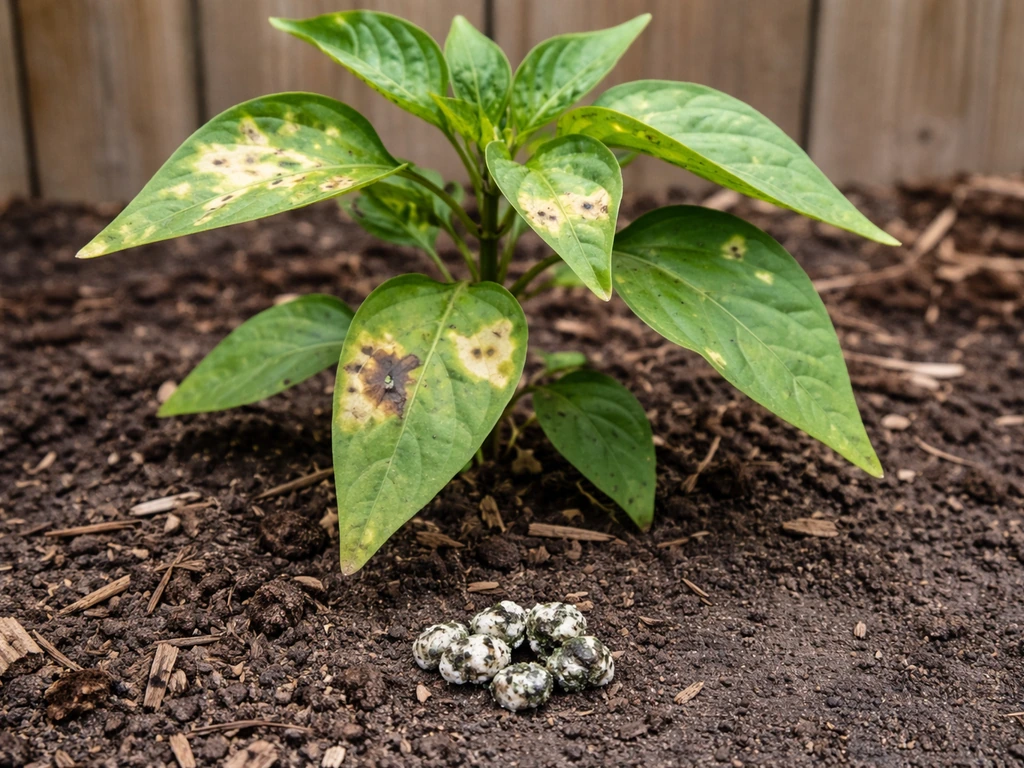
Bird droppings are high in nitrogen, phosphorus, and potassium, which sounds great until the concentration gets too high. Concentrated nitrogen is essentially a chemical burn. You've probably seen dead yellow patches in lawns where dogs urinate repeatedly in the same spot, with a ring of lush green grass around the edge. Bird droppings work the same way. The salts and uric acid in the waste draw moisture out of plant tissue and roots through osmosis, and the result looks a lot like drought stress even when the soil is perfectly moist.
Here are the specific conditions that push bird droppings from 'mildly annoying' to genuinely harmful:
- Heavy accumulation on a small area, especially container plants, seedlings, or young transplants with limited soil volume to buffer excess nutrients
- Droppings landing directly on leaves and sitting there through sun exposure, which concentrates the uric acid and causes contact burns or bleached spots
- Repeated deposits from birds roosting overhead, which keeps loading the same patch of soil until pH and salt levels become hostile to roots
- Droppings landing in containers where nutrients have nowhere to dilute into a larger soil mass
- Large-scale deposits from flocks (pigeons, starlings, geese), which can blanket entire sections of a vegetable garden or lawn
- Droppings contaminating the soil with pathogens or parasites that affect plant health indirectly by disrupting beneficial soil microbes
Leaf burn shows up first as yellow or bleached spots where the dropping made contact, sometimes with a crusty white or green residue. Root-level damage is slower and shows up as wilting, stunted growth, or general decline across a whole plant. If you're seeing widespread yellowing across a plant that gets regular deposits from a roosting spot above, nitrogen toxicity and salt stress are the likely culprits.
How to safely clean droppings off leaves and soil
Before you grab a brush or a hose, stop and think about what you're about to disturb. Dry bird droppings can carry Histoplasma fungal spores, Salmonella, and other pathogens, and dry-scrubbing or blowing droppings around turns them into something you can inhale. Because dry droppings can be disturbed and inhaled, they can also make you sick. The CDC and NIOSH are clear on this: do not sweep, shovel, or vacuum dry droppings. OSHA also warns that dry cleanup can spread contaminants, so use proper precautions when handling bird droppings. Wet them down first.
Here's the step-by-step process for cleaning droppings from your garden without making things worse:
- Put on gloves (disposable nitrile), safety glasses or goggles, and an N95 or better respirator before you touch anything. If there's a significant accumulation, add disposable shoe coverings. This isn't overkill, it's the approach recommended by Washington State University EHS and aligned with NIOSH guidance.
- Wet the droppings thoroughly with water before doing anything else. A spray bottle or gentle hose works. The goal is to prevent aerosolization of dried particles. Do not use a high-pressure blast that will splatter contaminated material around.
- For droppings on leaves, gently wipe with a damp cloth or sponge soaked in a dilute disinfectant solution (a few drops of dish soap or a diluted bleach solution of 1 tablespoon bleach per gallon of water works). Rinse the leaf with clean water afterward so residue doesn't cause additional leaf burn.
- For soil-level droppings, scoop up the wetted material with a disposable rag, sponge, or paper towels and seal it in a plastic bag. Dispose in outdoor trash, not compost.
- Flush the affected soil area generously with clean water. This dilutes the concentrated nitrogen and salts, which is the same principle Purdue Extension recommends for diluting urine damage in turf: more water reduces concentration and limits burn.
- Strip off disposable PPE inside out, bag it, and wash your hands thoroughly with soap and water. Do not clean tools in the kitchen sink, and wash any clothing that got contaminated separately.
If you're dealing with a very large accumulation, like a roosting ledge above a garden bed that has months of buildup, consider calling a professional hazardous waste cleaning service. NIOSH is explicit that large-scale removal may warrant professional handling with proper dust-control equipment.
Stopping birds from targeting the same spot again
Cleaning up once doesn't solve anything if the same birds are back tomorrow. The most effective deterrents work by removing the reason a bird chose that spot in the first place, whether that's a comfortable perching ledge directly above your vegetable bed, a nearby feeder, or an open water source.
- Physical netting or mesh: the single most reliable solution for raised beds, container gardens, and soft fruit. A fine mesh (around 20mm or smaller) draped over plants or supported on a simple frame keeps birds out entirely. The RHS recommends this as the most effective barrier approach.
- Anti-perching spikes on ledges, fence tops, or overhead structures: these prevent birds from settling in the spot directly above your plants. They work best on fixed surfaces like gutters, fence rails, or window ledges, not on branches. USDA APHIS includes these in its bird dispersal toolkit.
- Reflective deterrents: hanging reflective tape, old CDs, or mylar strips near the problem area disorients birds. Effectiveness fades as birds habituate, so move them around regularly.
- Remove attractants: bird feeders placed close to the garden are a common culprit. Penn State Extension recommends rotating feeding areas and regularly removing droppings and debris around feeders to reduce disease risk. Move the feeder away from your garden beds.
- Watering habits: if you have a birdbath near the garden, relocate it well away from plants you want to protect. Birds naturally concentrate their activity and droppings near water sources.
- Row covers and cold frames: for vegetable gardens, floating row cover fabric serves double duty, it protects plants and blocks birds. Lightweight versions let rain and light through while keeping birds off completely.
Combining a physical barrier with an attractant removal strategy gives you the most durable result. Deterrents alone rarely work long-term because birds adapt, but a bird that can't perch above your garden and has nothing to eat or drink there will simply move on. The USDA APHIS technical series also describes bird dispersal and control methods such as anti-perching spikes and netting, noting that spikes are intended to prevent birds from perching Deterrents alone rarely work long-term.
What bird droppings actually do to your lawn and soil
On a healthy, moderately sized lawn, occasional bird droppings are a net positive. The nitrogen is bioavailable and the volume is usually low enough to be absorbed without tipping into burn territory. The problem scenarios are concentrated deposits from geese, pigeons, or starlings that flock in large numbers, or spots directly under roosting trees where the same square foot of lawn gets hit repeatedly.
Staining on concrete, stone, and light-colored pots is a separate concern from soil damage. The uric acid in bird droppings is mildly corrosive and bonds to porous surfaces quickly, especially in warm weather. On outdoor furniture, pots, or paving near your garden, the longer it sits the harder it is to remove and the more surface etching occurs. This is purely cosmetic on garden materials, but it's worth cleaning promptly for that reason alone.
Odor from accumulated droppings in a garden usually signals a buildup problem, not just a passing splat. Persistent smell means there's enough volume to support bacterial decomposition, and at that stage you're also building up enough nitrogen and salt to start affecting soil pH. If you can smell it, flush the area with water and start thinking about bird deterrents seriously.
Your health while handling droppings
This is the part of the gardening conversation that often gets skipped, but it's genuinely important. Bird droppings are associated with several human pathogens. Histoplasmosis is the one the CDC and NIOSH flag most prominently. It's caused by a fungus found blank" rel="noopener noreferrer">in soil enriched by bird and bat droppings, particularly pigeons, and you get it by inhaling disturbed spores, not by touching droppings directly. Most healthy people clear a mild infection without even realizing it. But people with weakened immune systems, lung conditions, or heavy exposure can develop serious respiratory illness. If you have can bird droppings cause lung problems, avoid disturbing them and wear proper protection during cleanup lung conditions. The health risks of bird droppings extend beyond the garden, and if this is something you're regularly dealing with, it's worth reading up on the broader picture.
Salmonella and psittacosis (a bacterial infection from bird feces) are also documented risks, especially from handling droppings near wild songbirds or poultry. The CDC links Salmonella outbreaks directly to touching wild birds, bird feeders, and birdbaths, and notes that the bacteria gets from hands to mouth through ordinary contact. Cryptococcosis, another fungal infection, is associated with accumulated pigeon droppings in particular.
Practical PPE for a garden cleanup session doesn't need to be elaborate. An N95 respirator (or better), disposable gloves, and eye protection covers the main exposure routes: inhalation of disturbed particles, skin contact, and splash to mucous membranes. Follow the bird droppings health and safety guidance by using PPE and avoiding actions that disturb dried waste. Don't wear your gardening gloves back inside the house without washing up first. And if you've been cleaning up droppings and then develop fever, cough, chest tightness, or flu-like symptoms within a few weeks, mention the exposure to your doctor. Histoplasma can take one to three weeks to cause symptoms after inhalation.
Triage: your plant already looks damaged, here's what to do now
If you're reading this because a plant is already showing distress and you've traced it back to bird droppings, here's how to assess where you stand and what to do first.
- Look at the damage pattern. Yellow or bleached spots only on leaves that had direct contact with droppings suggest surface burn, which is usually recoverable. Widespread yellowing, wilting across the whole plant, or stunted growth with no obvious leaf-level contact points suggest root-level salt or nitrogen stress from soil accumulation.
- Remove any remaining droppings from leaves and soil surface using the wet-cleaning method above. Do this before you do anything else so you stop adding to the problem.
- Flush the soil heavily with water. For a container plant, water until water runs freely out the drainage holes, then do it again an hour later. For a garden bed, give the affected area a deep slow soak. This dilutes accumulated salts and excess nitrogen and is your most effective immediate intervention.
- Hold off on fertilizing. The soil already has too much nitrogen if droppings have been accumulating. Adding fertilizer on top of this makes things worse, not better.
- Trim off the most severely burned leaves cleanly with sterilized scissors. The plant can't recover a fully scorched leaf, and removing it redirects energy to healthy growth.
- Improve drainage if the plant is in a container. Waterlogged soil combined with high salt content is a very hostile environment. Make sure drainage holes are clear.
- Give it two to three weeks before you decide the plant is a lost cause. Plants that show salt stress or leaf burn often look alarming in week one and start producing new healthy growth by week three if the source of stress is removed and flushing has been done. Established plants like shrubs and perennials recover far faster than seedlings or young annuals.
- If a seedling or young annual shows no new growth after three weeks and the roots look brown and mushy, it probably didn't survive the accumulation. Pull it, refresh the soil in that container or spot, and replant.
The RHS notes that established larger plants, including shrubs like lilacs, usually recover from pigeon damage even when it looks bad initially. Your biggest recovery variable is plant age and establishment: a five-year-old rosebush can handle a lot more insult than a six-week-old tomato transplant.
A quick comparison: damage by plant type and droppings volume
| Plant Type | Risk Level from Droppings | Recovery Speed | Best Immediate Action |
|---|---|---|---|
| Seedlings / young transplants | High: low soil volume, fragile roots | Slow (2-4 weeks if recoverable) | Flush soil, remove from source, shelter |
| Container herbs / vegetables | High: limited drainage and soil buffer | Moderate (2-3 weeks) | Heavy flush, trim burned leaves, relocate pot |
| Established perennials and shrubs | Low to moderate: larger root zone buffers excess | Fast (1-2 weeks of new growth) | Surface cleanup, deep watering, monitor |
| Lawn / turf grass | Low unless flock-scale or repeated roosting | Moderate (green-up in 2-3 weeks with flushing) | Flush with water, overseed bare spots if needed |
| Large trees | Very low: volume negligible relative to root mass | Not usually needed | Cosmetic cleanup only if desired |
The bottom line is that bird droppings are a real but very manageable garden threat. Act quickly, clean safely with the right PPE, flush the soil, get a physical barrier up if birds are returning to the same spot, and most plants will come back fine. The situations where droppings actually kill plants are the ones where nothing is done for weeks and the accumulation keeps building. Catch it early and you're almost always ahead of it.
FAQ
How many bird droppings does it take to kill plants?
There is no exact number, but small seedlings and young transplants can be damaged by repeated deposits on the same spot over days to weeks. If you notice the same area getting hit regularly (for example, directly under a roost), treat it as a high-risk pattern even if the total volume seems small.
Will bird droppings harm plants if they’re fresh and not crusted?
Fresh droppings are still a burn risk, but the main inhalation risk is higher when waste dries and crumbles. For plant safety, fresh deposits can still scorch leaves and concentrate salts, so clean promptly and avoid rubbing or splashing onto foliage.
Can bird droppings be used as fertilizer on edible plants?
It’s risky to apply untreated droppings to vegetable beds. The nitrogen can help, but concentrated salts can burn roots and pathogens can persist. If you want a fertilizer approach, use properly processed, pathogen-reduced compost or manure products rather than direct application.
What’s the fastest way to reduce plant damage after a droppings spill?
Remove the droppings without dry sweeping, then flush the area with water to dilute salts and uric acid. If the deposit hit a small plant, also rinse nearby leaves and check the soil for additional buildup around the contact point.
Should I remove the droppings and then fertilize to “balance” the nitrogen?
Usually no. If leaves are yellowing or you suspect salt and pH imbalance, adding fertilizer can worsen the burn. Focus on dilution (watering/flush), removing concentrated waste, and using a soil test if the problem repeats.
Do bird droppings in pots cause more harm than in the ground?
They can, because salts concentrate faster in limited soil volume and roots are closer to the surface where deposits land. For container plants, consider top-scraping the affected area (carefully, with PPE) and replacing that top layer with fresh potting mix.
Is there a way to tell if the damage is from droppings versus something else (like disease)?
Dropping-related damage often appears as localized bleach or yellow patches exactly where contact occurred, then may progress to stunting if the same spot keeps getting hit. If yellowing is uniform across the whole plant or you see powdery growth, nutrient issues or pathogens may be the cause instead.
Can watering make bird droppings worse or spread them?
Water helps by diluting salts, but strong splashing can spread residue across leaves and soil. Aim for gentle watering aimed at the soil, avoid hosing directly over foliage, and remove the droppings first when possible.
Are there safe times to clean droppings outdoors?
Cleaning when droppings are already wet or immediately wetting them first reduces dust and inhalation risk. Avoid dry cleanup, and avoid cleaning during windy conditions that can aerosolize particles.
What PPE is the minimum that still makes sense for a small garden cleanup?
A fit-tested respirator at least as protective as an N95, disposable gloves, and eye protection are the practical baseline for reducing inhalation and splash exposure. If you have asthma, COPD, or other lung conditions, consider extra protection and avoid cleanup if you can delegate it.
What if the droppings are on my garden fence or under outdoor furniture, not on plants?
It’s still worth cleaning because uric acid can etch porous surfaces and odor can signal ongoing buildup. Use the same approach, wet it down before wiping, but focus first on blocking access to the spot so the contamination does not keep returning.
How do I stop repeated droppings without harming birds?
Use exclusion over baiting, remove nearby water sources that attract them, and block comfortable perching spots (for example, install a barrier or relocate feed). Birds adapt to deterrents, so combine physical prevention with removing the attractant.
When should I suspect a health risk for me, not just for my plants?
If you cleaned droppings and later develop fever, cough, chest tightness, or flu-like symptoms within weeks, contact a clinician and mention possible exposure. People with weakened immune systems or chronic lung disease should treat regular exposure as higher risk and avoid cleanup when possible.
What’s the best action if I see droppings under a roosting tree on a lawn?
Treat it as a repeat-deposit problem: remove droppings safely, flush the contact zones, and discourage roosting above the same patch. If yellow spots keep returning, relocate feeding, block access to perches above the bed, and consider barriers around the affected area.