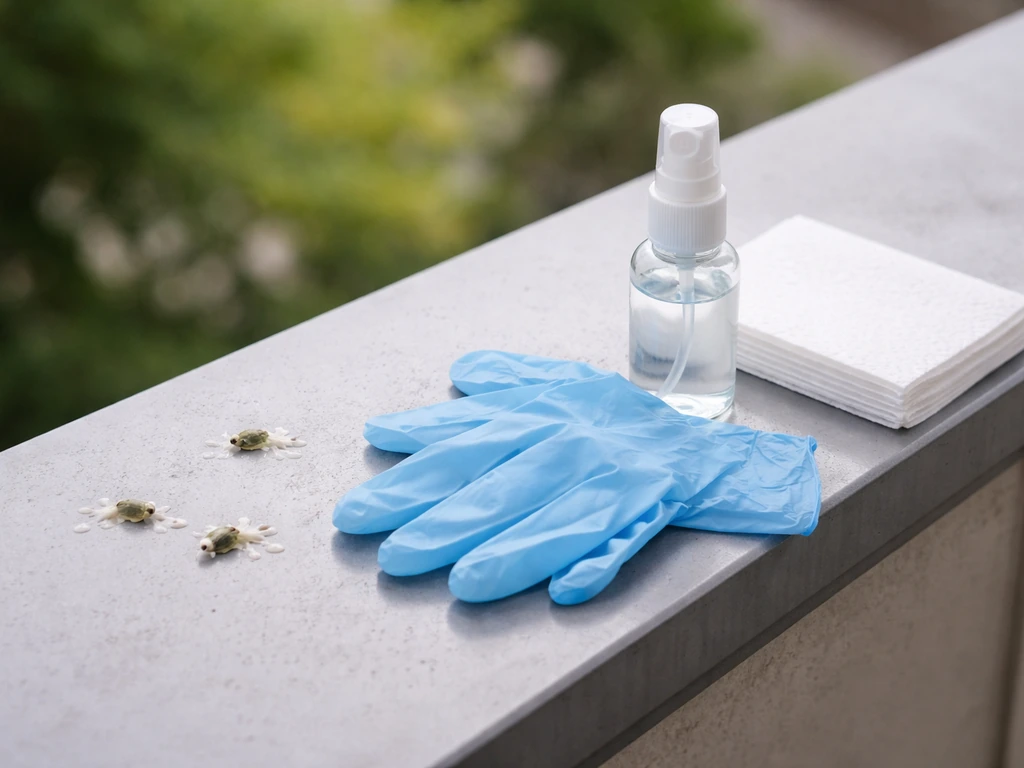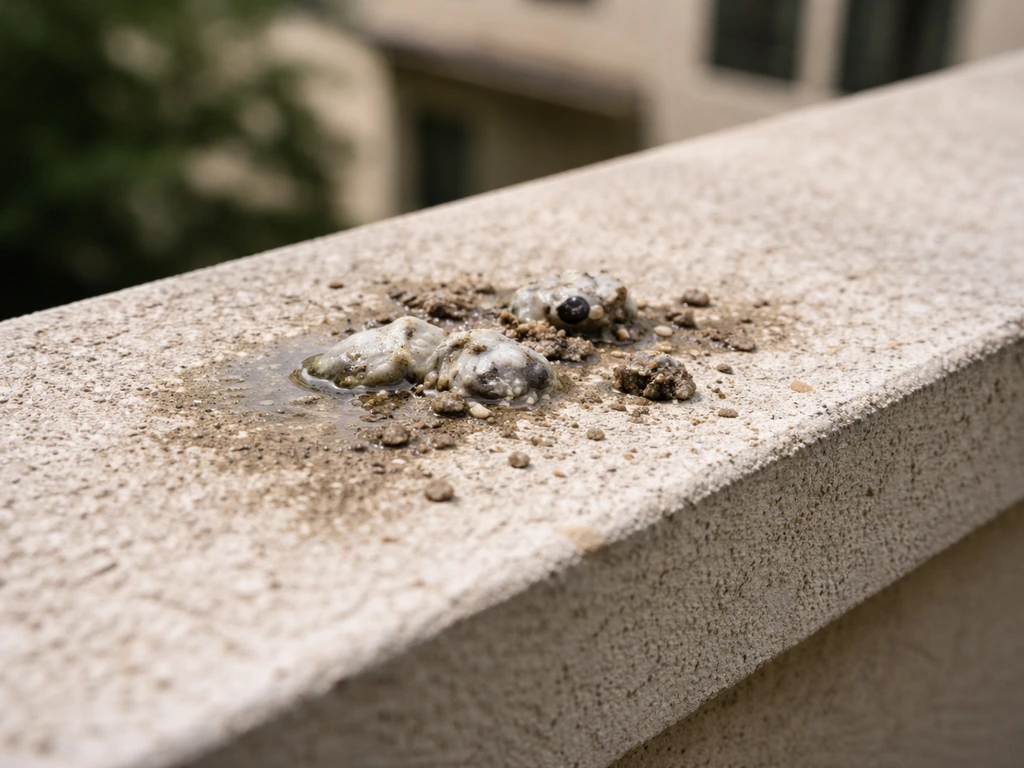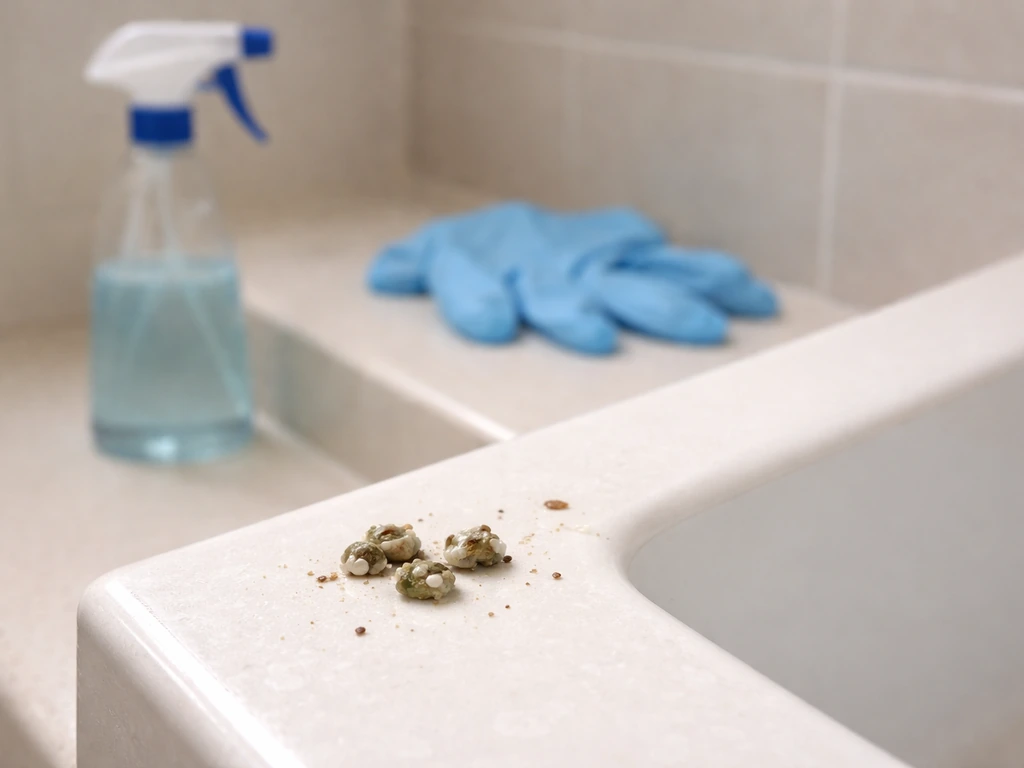
Under OSHA's framework, bird droppings are primarily treated as a biological hazard (biohazard) because they can carry fungal spores, bacteria, and other pathogens that cause serious respiratory illness when inhaled. They also qualify as a respiratory hazard specifically when droppings are dry, disturbed, or swept in enclosed spaces. OSHA doesn't stamp a single universal hazard code on bird poop, but between the General Duty Clause and standards like the Respiratory Protection standard (29 CFR 1910.134), the agency's message is consistent: accumulated bird droppings in a workplace are a recognized hazard that employers are responsible for controlling.
What Type of Hazard Is Bird Droppings OSHA Needs to Know

Marcus Fielding
30 May 2026
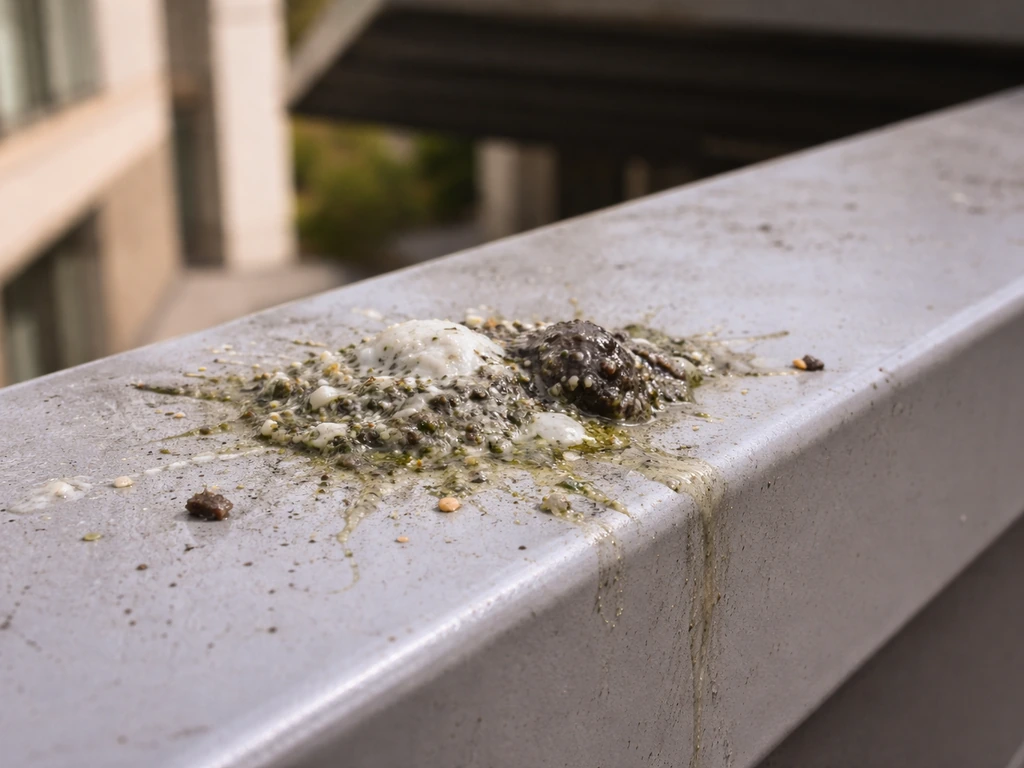
How OSHA frames bird droppings as a hazard
A common misconception is that bird droppings fall under OSHA's Bloodborne Pathogens standard (29 CFR 1910.1030). They don't. That standard covers human blood and specific human body fluids, not animal feces. Bird droppings simply aren't in the BBP framework, so you won't find a citation for failing to treat a pigeon-covered rooftop like a bloodborne pathogen zone.
What OSHA does use in the absence of a single specific standard is the General Duty Clause. That clause requires employers to protect workers from recognized hazards that are likely to cause death or serious physical harm. Bird droppings, particularly in large accumulations or enclosed HVAC environments, clearly meet that bar. OSHA has issued specific hazard bulletins and guidance documents (including one on psittacosis and another on avian influenza) that frame bird excrement as a biological and respiratory hazard requiring active controls.
So in practice, bird droppings can be classified across two overlapping hazard categories. First, as a biological hazard, because the droppings may contain live pathogens including fungi, bacteria, and viruses. Second, as a respiratory hazard, because once the droppings dry and get disturbed, the particles become airborne and inhalable. In some very specific chemical contexts (like ammonia buildup from heavy accumulations), there's a nuisance or chemical irritant angle too, but the biological and respiratory dimensions are the primary OSHA concern for most workers and property owners.
What you can actually catch from bird droppings
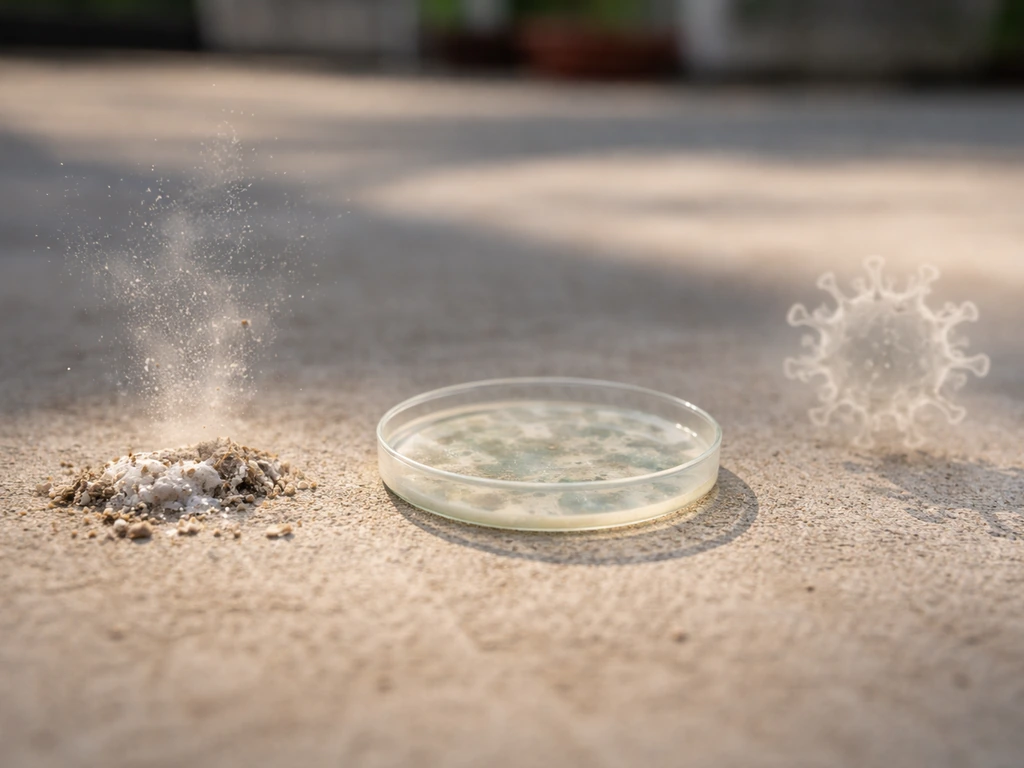
The pathogens most associated with bird droppings fall into a few categories: fungi, bacteria, and (in specific situations) viruses. The respiratory risks are the most serious and the most likely to be underestimated by someone doing a casual cleanup.
Fungal infections (the biggest respiratory concern)
Histoplasmosis tops the list. It's a lung infection caused by inhaling spores of the Histoplasma fungus, which lives in soil and environments enriched by bird and bat droppings. Most healthy people who are exposed never get sick, but some develop pneumonia-like illness with fever, cough, chest pain, chills, and muscle aches. The tricky part is that histoplasmosis symptoms look almost identical to regular pneumonia, so it's easy to miss without a specific diagnosis. Significant exposures, or exposure in people who are immunocompromised, can lead to severe lung disease.
Cryptococcus neoformans is another fungus found in bird droppings, especially pigeon droppings. It causes cryptococcosis, also acquired by breathing in fungal spores. For most healthy people, the immune system handles it without symptoms. For people with weakened immune systems (HIV/AIDS, people on immunosuppressive medications, those with lung disease), it can be life-threatening. Aspergillus species, also associated with pigeon droppings and roosts, round out the major fungal trio.
Bacterial infections
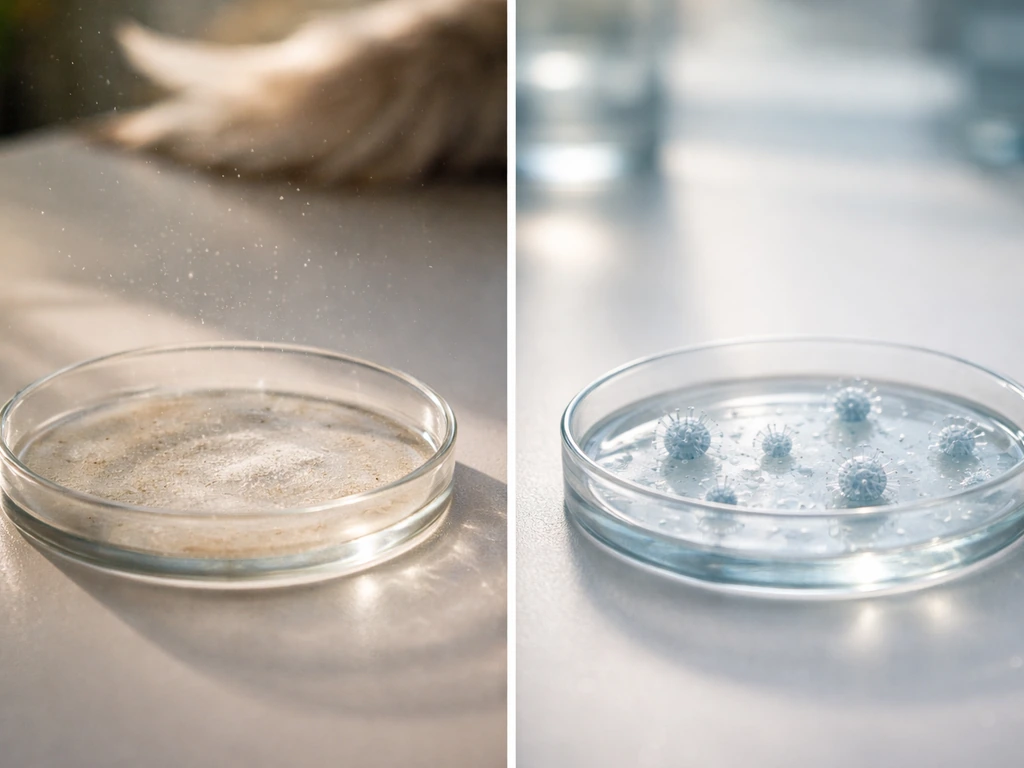
Psittacosis (also called parrot fever or ornithosis) is caused by the bacterium Chlamydophila psittaci and is spread almost exclusively by inhaling dust from dried bird secretions or droppings. OSHA issued a dedicated hazard information bulletin about it. Symptoms range from mild upper respiratory infection to severe pneumonia. Beyond psittacosis, bird droppings can carry Salmonella, E. coli, Campylobacter, and Cryptosporidium, which are primarily a contamination risk for food, water, and surfaces, rather than an inhalation risk.
Viral risks
Avian influenza is the scenario where OSHA gets most explicit about bird secretions and excrement as a serious hazard. OSHA specifically recommends N95 respirators (or better) for workers who may have unprotected contact with birds and their excrement in avian flu contexts. This is a lower-probability risk for most people doing everyday bird dropping cleanup, but it's the reason OSHA's language around bird excrement is sometimes stronger than people expect.
Why your cleanup method changes the hazard level completely
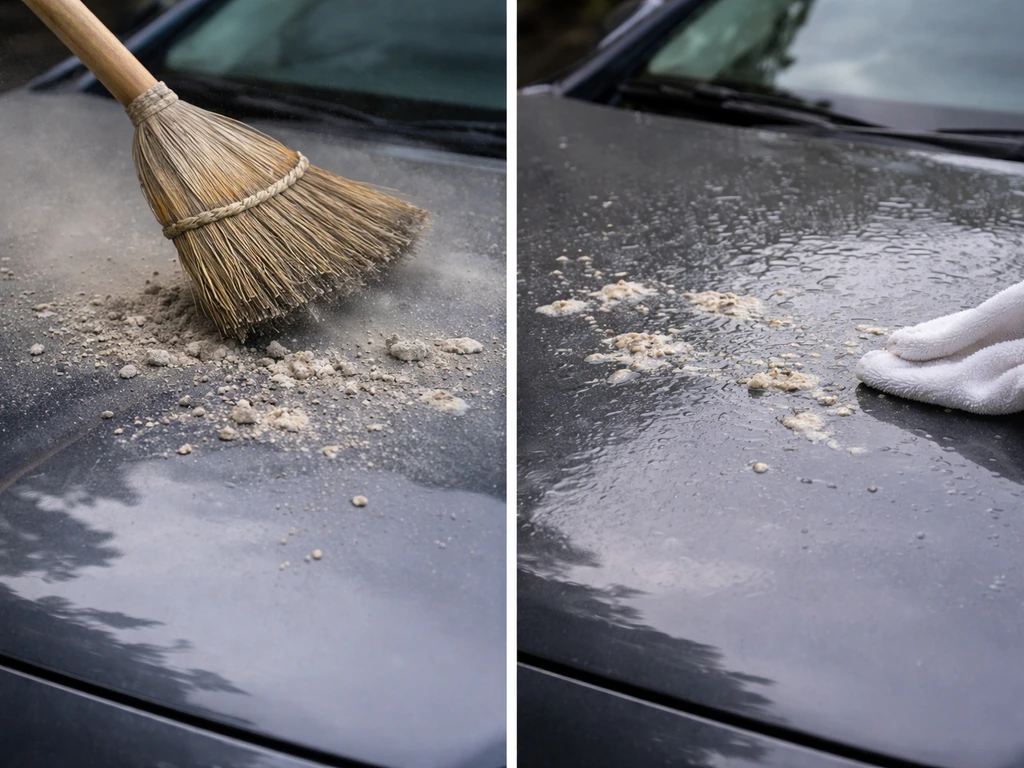
This is the part that catches most people off guard. Fresh bird droppings from a single bird on your car are a minor hygiene issue. But the moment you grab a broom and start sweeping a dry, accumulated pile of droppings, especially indoors or in a low-ventilation space, you've shifted the hazard level significantly. Here's why.
Dry droppings crumble into fine dust easily. That dust carries whatever biological agents are present directly into the air you're breathing. Because those particles can reach the lungs, bird droppings can cause lung problems, especially after dry buildup or disturbed cleanup can bird droppings cause lung problems. Fungal spores are especially dangerous this way because they're tiny enough to reach deep lung tissue. Sweeping, blowing with compressed air, or using a standard vacuum without a HEPA filter essentially transforms a surface hazard into an airborne respiratory hazard. Enclosed spaces (attics, HVAC rooms, warehouses, barns) amplify this dramatically because there's nowhere for the contaminated air to go.
The scale of accumulation matters too. A few droppings cleaned up promptly carries a different risk profile than years of accumulated droppings in a roosting area. Large accumulations are where NIOSH and CDC recommend involving a professional hazardous-waste handling company rather than tackling it yourself.
Safe cleanup steps you can take today
Whether you're cleaning a balcony, a warehouse roof, a bird feeder area, or an HVAC unit, the process is the same in principle. Wet it, contain it, protect yourself, and dispose of it properly.
- Assess the scale first. Small amounts on outdoor surfaces in open air are low risk. Large accumulations, enclosed spaces, or situations involving immunocompromised people warrant more protective measures (and possibly professional help).
- Put on your PPE before you touch anything. At minimum: an N95 respirator (not a dust mask), disposable gloves, and eye protection. For larger jobs, add disposable coveralls and shoe coverings to avoid tracking contaminated material. OSHA specifically references NIOSH-certified N95 or better respirators for bird-excrement-related respiratory hazards.
- Ventilate the area as much as possible before starting. Open windows and doors. If you're in an enclosed space, set up fans to push air out rather than circulating it.
- Wet the droppings before touching or moving them. Use water (a spray bottle works for small areas, a garden sprayer for larger jobs). This suppresses dust and reduces the chance of aerosolizing spores and bacteria. Never dry sweep or blow with compressed air.
- Collect using an industrial vacuum with a HEPA filter, or carefully scoop wetted material into sealed plastic bags. Double-bag everything.
- Disinfect the area after removal. An enzymatic cleaner or a diluted bleach solution (check material compatibility first) applied to the surface helps reduce residual contamination.
- Dispose of sealed bags as you would household hazardous waste. Check your local requirements for large amounts.
- Strip off PPE carefully, bagging it immediately, and wash hands and any exposed skin thoroughly with soap and water.
If the job is a commercial property, a bird-infested HVAC system, or any enclosed space with heavy accumulation, the respiratory protection program requirements under 29 CFR 1910.134 apply. That means workers need medical evaluations, fit testing for tight-fitting respirators, and proper training. This isn't a checkbox exercise; fit testing matters because a poorly fitting N95 can leak enough contaminated air to make it close to useless.
After a potential exposure: what to watch and when to get help
If you cleaned up droppings without adequate protection (or you weren't sure what you were dealing with at the time), don't panic. Most healthy adults exposed to moderate amounts of bird dropping dust won't develop serious illness. But you should monitor yourself for symptoms over the following days to weeks.
Watch for fever, persistent cough, shortness of breath, chest pain, fatigue, chills, or muscle aches. These can indicate histoplasmosis, psittacosis, or other respiratory infections from bird droppings, but they also look like ordinary pneumonia or flu. These health risks of bird droppings are largely tied to how much dust or debris becomes airborne during cleanup or disturbance. That overlap is exactly why CDC and NIOSH emphasize that you cannot reliably self-diagnose based on symptoms alone after a bird dropping exposure. If symptoms develop and you've had a known or likely exposure, tell your doctor specifically about the exposure so they can order appropriate testing rather than treating it as generic community-acquired pneumonia.
For workers, NIOSH/CDC guidance is clear: blank" rel="noopener noreferrer">anyone with a workplace exposure who develops symptoms should seek medical evaluation and report the exposure context to their healthcare provider. The same applies to property owners or anyone doing significant cleanup. Even if you feel fine, washing hands after any contact with bird droppings or bird-related surfaces is a basic hygiene step worth maintaining consistently, since contact-to-mouth transmission of bacteria like Salmonella and Campylobacter is a real secondary pathway. CDC recommends washing hands after touching birds, their droppings, or items in cages, to reduce contamination and hand-to-mouth exposure blank" rel="noopener noreferrer">washing hands after any contact with bird droppings or bird-related surfaces.
Preventing buildup before it becomes a bigger problem
The best OSHA-aligned control strategy isn't cleanup; it's prevention. CDC and NIOSH both note that the best approach is preventing droppings from accumulating in the first place, especially in workplaces. This isn't just about cleanliness; it's about keeping the hazard at a manageable level before it becomes a professional remediation situation.
- Block bird roosting access: Install deterrents (spikes, netting, wire systems) on ledges, rooftops, HVAC units, and other common roosting points.
- Clean bird feeders and surrounding areas regularly: Accumulated droppings around feeders are a known Salmonella transmission risk and an unnecessary buildup of biological material.
- Inspect HVAC systems and attic spaces periodically, especially if your building is in an area with active bird populations. Catch accumulations early when they're still manageable.
- Train workers: Anyone who might encounter bird droppings as part of their job (maintenance, landscaping, agriculture, pest control) should know the hazards and the wet-cleanup protocol before they're in the situation.
- For workplaces with regular bird-dropping exposure risk, document a written hazard assessment and respiratory protection program as required under 29 CFR 1910.134.
- Keep immunocompromised individuals away from cleanup work entirely. The same exposure that a healthy person handles without symptoms can be genuinely dangerous for someone with a compromised immune system.
The broader health and safety picture around bird droppings overlaps with questions about whether bird droppings can cause lung problems, general health risks from bird poop, and how dangerous bird droppings really are in different contexts. Can bird droppings kill plants? In many cases, the buildup can harm vegetation by contributing nitrogenous compounds and encouraging mold growth. If you’re wondering whether bird droppings are dangerous, the biggest risk usually comes from inhaling dried dust after they’re disturbed or swept is bird droppings dangerous. The consistent thread across all of it is the same: fresh droppings from a healthy bird in open air are a low-level hazard managed with basic hygiene. Dry, accumulated, disturbed droppings in a poorly ventilated space are a genuine biological and respiratory hazard that OSHA takes seriously, and you should too. Those risks are the reason many people ask, can bird droppings make you sick, especially after dry droppings get disturbed and airborne.
FAQ
If I see OSHA violations for bird droppings, what standard is usually cited?
OSHA often relies on the General Duty Clause for bird-dropping conditions because there is no single dedicated “bird droppings” standard. If the work creates airborne dust in an enclosed area, OSHA can also point to respiratory protection program expectations under 29 CFR 1910.134 when respirators are used or required.
Do bird droppings fall under the Bloodborne Pathogens standard (29 CFR 1910.1030)?
No. Bloodborne Pathogens covers human blood and certain human body fluids. Animal feces, including bird droppings, are not part of that regulatory framework.
When does a quick cleanup stop being “minor,” and become a real respiratory hazard?
The risk jumps when droppings are dry and get disturbed, creating visible dust or clouding in the air, especially indoors or in low-ventilation spaces (attics, HVAC rooms, warehouses). The “how it’s cleaned” matters as much as the droppings themselves.
Is it safe to vacuum bird droppings with a regular shop-vac?
Usually not. A standard vacuum can aerosolize contaminated fine particles if it lacks true HEPA filtration and proper exhaust controls. For OSHA-aligned risk control, use a HEPA-filtered method, and avoid actions that blow dust into the breathing zone.
Can I wear a simple nuisance mask instead of an OSHA-style respirator?
For dry, disturbed droppings in enclosed spaces, a nuisance mask typically does not provide reliable particulate protection. If respiratory protection is needed, treat it like a respirator program item, including fit testing for tight-fitting models.
What’s the difference between handling fresh droppings on a patio versus years of buildup in a warehouse corner?
Fresh, undisturbed droppings are generally a lower risk. Years of accumulated material are more likely to be dry, contain more contaminant load, and generate significant airborne dust during cleanup, which drives the biological and respiratory hazard level.
What PPE should I plan for if the area has bird droppings near HVAC returns?
At minimum, plan for controls that prevent dust generation (wetting and containment where appropriate) and respiratory protection appropriate to the particulate hazard. HVAC settings are high consequence because contaminated air can circulate, so you should also coordinate with HVAC shutdown and containment procedures before cleaning.
If I already cleaned up without protection, do I need medical tests?
Not automatically, and most healthy people with limited exposure do not develop serious illness. But if you develop fever, persistent cough, shortness of breath, chest pain, or flu-like symptoms within the following days to weeks, seek evaluation and tell the clinician about the bird-dropping dust exposure so targeted testing can be considered.
Does washing hands after cleanup reduce the risk enough on its own?
Hand hygiene helps reduce contamination through contact-to-mouth pathways, especially for bacteria that can land on surfaces. However, it does not address inhalation risk created when dry droppings are disturbed and become airborne dust.
Are there cases where bird droppings are mainly a chemical hazard?
Yes, in uncommon scenarios with heavy, prolonged accumulation where gases like ammonia may build up. Still, OSHA’s practical concern for most workplace situations is usually biological and respiratory risk from airborne dust generated during disturbance.