Fish will occasionally nibble at bird droppings that land in water, but that's not really the main story. The bigger issue is what those droppings do to the water itself. Bird poop breaks down quickly and acts as a nutrient bomb, feeding algae blooms and harmful bacteria rather than serving as a meaningful food source for fish. Whether you're looking at a backyard koi pond, a garden fountain, or a natural lake, the real concern isn't that your fish are snacking on droppings. It's that the droppings can contaminate the water with pathogens, parasites, and excess nutrients that create downstream health problems for the fish, for other animals drinking from that water, and potentially for you.
Do Fish Eat Bird Poop? What Happens in Ponds and Aquariums

Marcus Fielding
31 May 2026
Do fish actually eat bird poop?
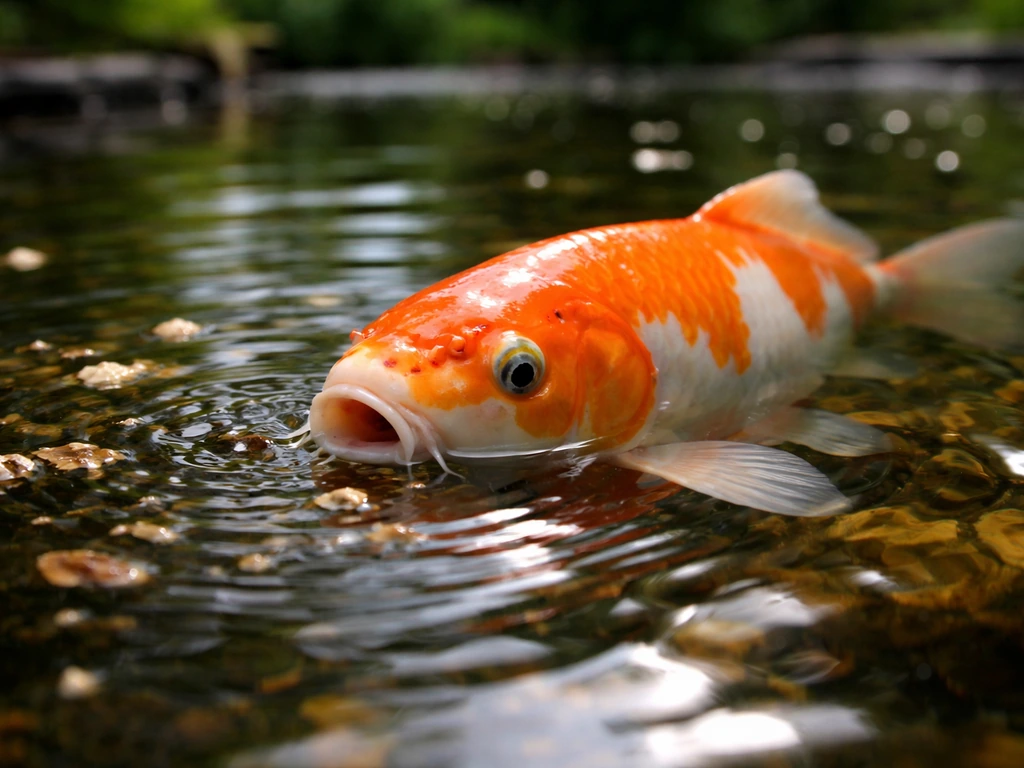
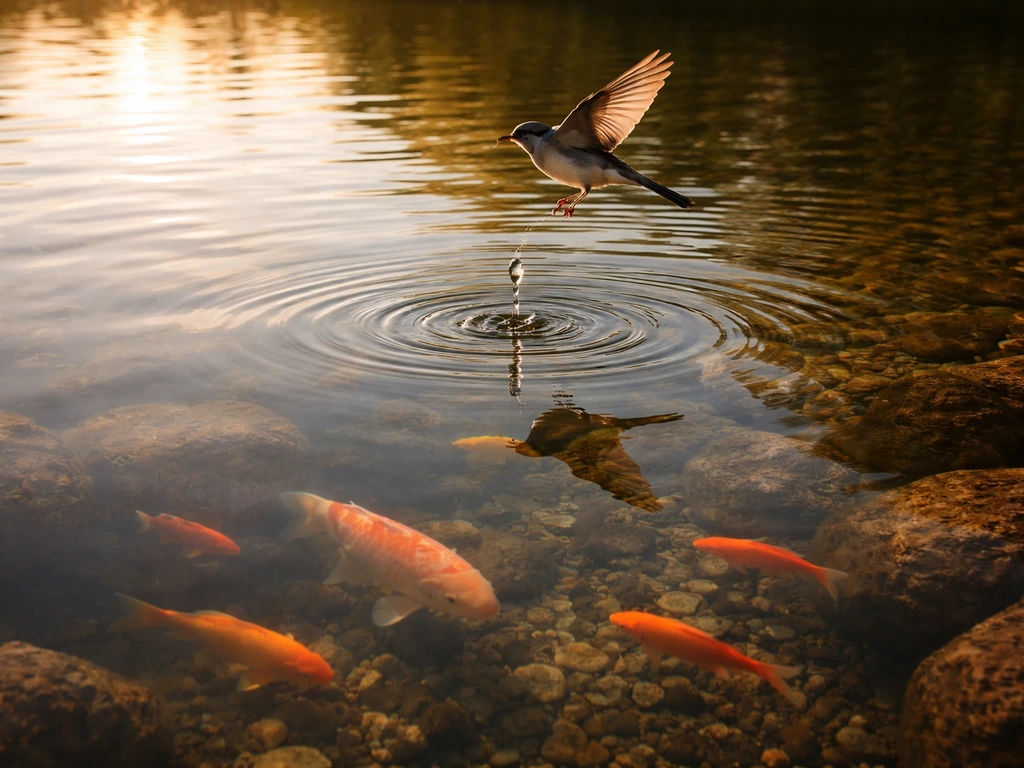
Technically, yes, some fish will mouth or ingest bird droppings if they land in the water. Fish like koi, goldfish, carp, and many wild species are opportunistic feeders. They investigate pretty much anything that hits the surface. But eating bird poop in any meaningful, intentional sense?
If you’re wondering whether those droppings can get eaten by fish, the short answer is that some fish may ingest them by accident, but it’s not the same as birds being a meaningful food source droppings land in water. No. It doesn't provide real nutrition, and fish generally don't seek it out.
What actually happens is that the droppings dissolve or break apart in water, and by the time a fish gets to it, they're ingesting suspended particles more than an identifiable piece of waste.
So if you just watched a bird drop one into your pond and you're wondering whether to panic, the short answer is: don't panic, but don't ignore it either. The risk is less about direct ingestion and more about what gets released into the water column.
What bird droppings actually do in water
Fresh droppings dissolve fastest. Bird poop is a mix of uric acid (the white paste), fecal matter, and undigested food. When it hits water, it begins breaking down almost immediately, releasing nitrogen and phosphorus compounds. These nutrients don't feed fish directly. They feed algae and bacteria. In a pond or lake with plenty of sunlight, a buildup of droppings over time can trigger algae blooms, which deplete oxygen and can suffocate fish. This is called eutrophication, and it's a genuine ecological problem in bodies of water near large roosting bird populations.
Dried droppings that blow into water tell a slightly different story. Once droppings dry out, they become dusty and can harbor fungal spores (more on that below). When they land in water, they still release the same nutrients, but the pathogen load can vary. The key takeaway is that neither fresh nor dried droppings are a net positive for water quality, and quantity matters a lot. One dropping from a passing sparrow is a non-event. A pond under a roosting area for dozens of birds is a real water management problem.
Aquarium vs. outdoor pond: two very different situations
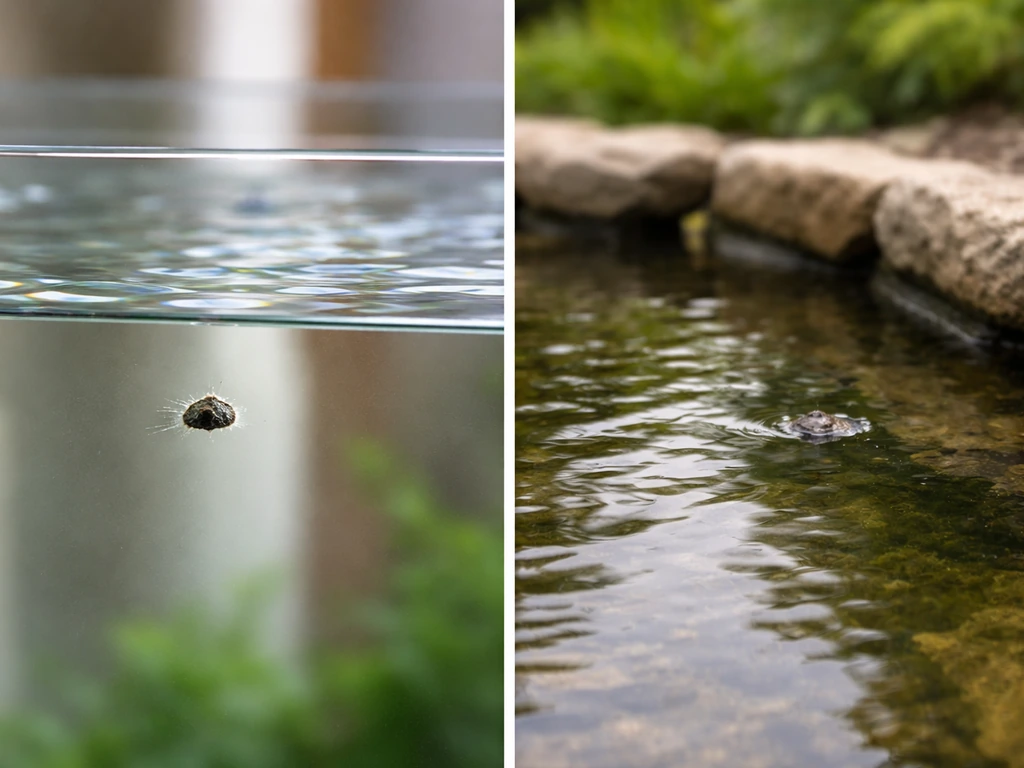
If you have an aquarium indoors, a bird dropping landing in it is an unusual but straightforward scenario. The water volume is small, the ecosystem is closed, and the risk of contamination is concentrated. A single dropping in a 20-gallon tank is more significant than the same dropping in a 500-gallon pond, proportionally speaking. You should act quickly: remove as much of the visible material as possible, perform an immediate partial water change (25 to 30 percent), and monitor your fish for stress or behavioral changes over the next 48 hours.
Outdoor ponds are more resilient because of greater water volume and more biological diversity, but they're also more exposed. Birds perch nearby, defecate regularly, and in some cases wade directly into shallow water. Wild ponds and lakes have natural filtration systems that handle some of this load, but garden ponds with fish typically do not. If you have a koi or goldfish pond under a tree that birds love, you're dealing with ongoing, chronic droppings input rather than one-off incidents. That changes the management approach from reactive cleanup to preventive system design.
| Feature | Aquarium (Indoor) | Outdoor Pond |
|---|---|---|
| Exposure frequency | Rare, one-off incident | Can be chronic if birds roost nearby |
| Water volume buffer | Low (dilution minimal) | Higher (more natural buffering) |
| Filtration | Mechanical/chemical filter | Biological + mechanical; often less robust |
| Immediate risk level | Higher per dropping | Lower per dropping, higher over time |
| Recommended response | Partial water change immediately | Remove visible waste, check filtration, monitor |
| Prevention options | Keep tank covered or away from windows/perches | Netting, deterrents, pond covers |
Health and safety risks: fish, people, and pets
Bird droppings can carry a range of pathogens including Salmonella, E. If you are asking because you are wondering about pets or exposure, you should still treat bird poop as unsafe to consume bird droppings. coli, Campylobacter, and various parasites. For fish, the primary concern is water quality degradation rather than direct infection from these bacteria, though some parasites (like those shed by waterfowl) can affect fish and aquatic life. Fish under stress from poor water quality are also more vulnerable to secondary infections.
For people, the risk comes mostly from handling contaminated water or disturbing dried droppings. If your dog ate bird poop and now has diarrhea, focus on keeping them hydrated and contact a veterinarian dog ate bird poop now has diarrhea. The CDC treats bird droppings in pools similarly to a fecal incident involving human waste, which should tell you something about the seriousness with which health authorities view this. Some germs that spread through feces, including Cryptosporidium, can survive for days even in properly chlorinated pool water. If your pond or water feature doesn't have chemical treatment, that window of risk is longer.
Histoplasmosis is worth knowing about, especially if you're dealing with a large accumulation of dried droppings near a water feature. It's a lung infection caused by breathing in spores of the Histoplasma fungus, which thrives in soil contaminated with bird or bat droppings. The CDC notes that immunosuppressed individuals face the highest risk of serious illness. You won't get histoplasmosis from a fresh dropping or from splashing pond water, but if you're cleaning up a crusted, dried accumulation around your pond or deck, wear an N95 mask and gloves. Don't dry-sweep or use a leaf blower on dried droppings near water.
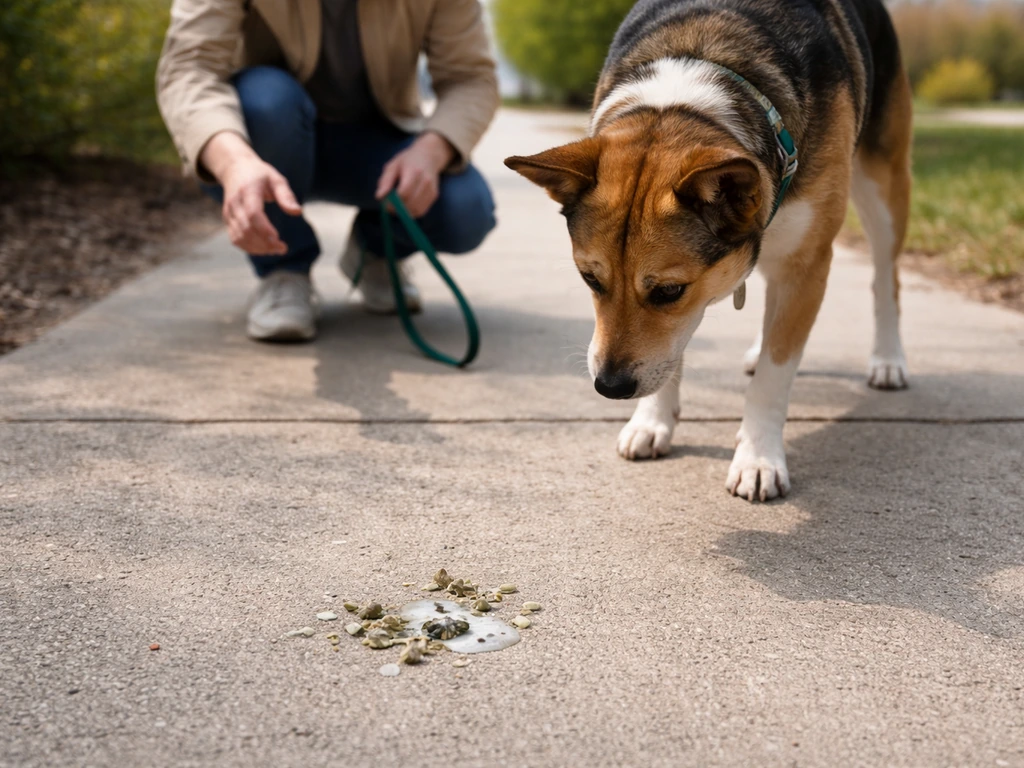
If you have dogs that drink from or play in ponds, outdoor fountains, or puddles with visible bird droppings, that's a legitimate concern too. Can dogs get parvo from bird poop? The short answer is usually no, but dogs can still get sick from other germs in contaminated droppings. If your dog is eating bird poop, watch for vomiting, diarrhea, or lethargy and consider contacting your vet dogs can still get sick from other germs in contaminated droppings.
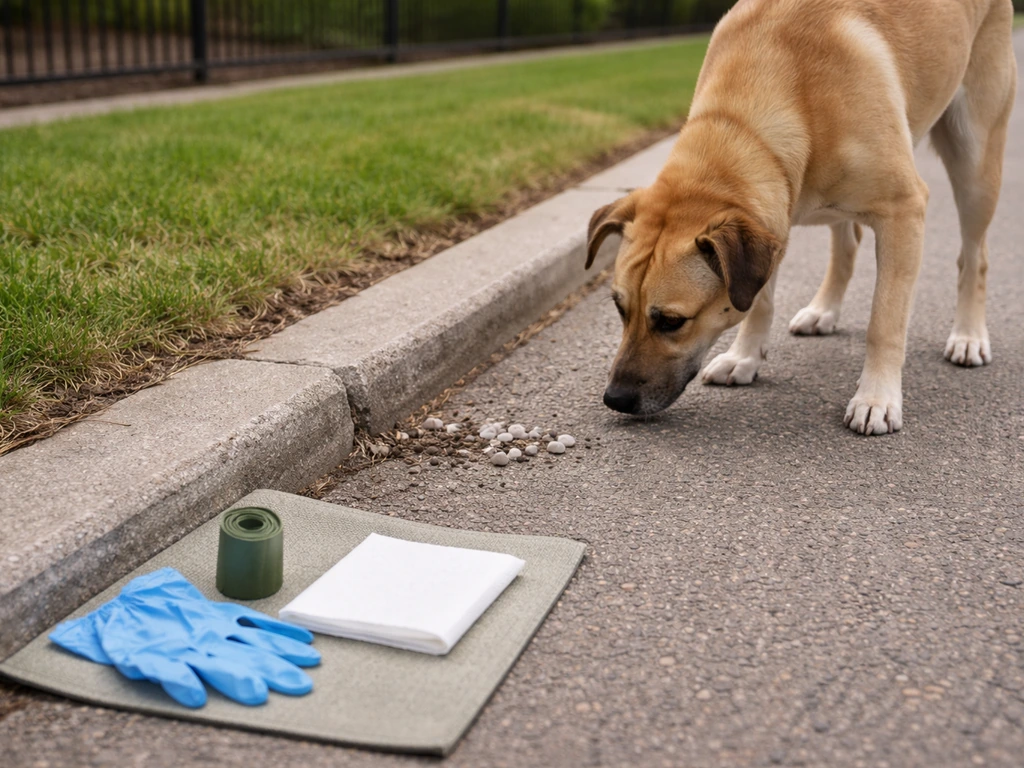
If your dog ate bird droppings and now has diarrhea, consider it a possible fecal contamination event and contact your veterinarian for guidance dog ate bird poop now has diarrhea. If a dog gets bird poop on its fur or sniffs or licks it, it could be exposed to the same pathogens found in droppings, so it helps to clean the area and discourage licking can dogs eat bird poop. If you’re wondering can dogs get giardia from bird poop, treat any diarrhea after exposure as a fecal contamination event and get veterinary guidance can dogs eat bird poop.
Dogs can pick up Giardia, Salmonella, and other pathogens from contaminated water. Some of those same risks apply to birds, rats, and snails that interact with droppings in shared outdoor water environments, which shows up as a common thread across many wildlife-and-water questions. Snails also play a role in spreading germs from bird droppings, so it helps to understand how they interact with contaminated areas snails that interact with droppings. Snails can pick up bacteria from bird droppings when they crawl through contaminated areas or feed on the organic material snails that interact with droppings.
What to do right now: cleanup and water management
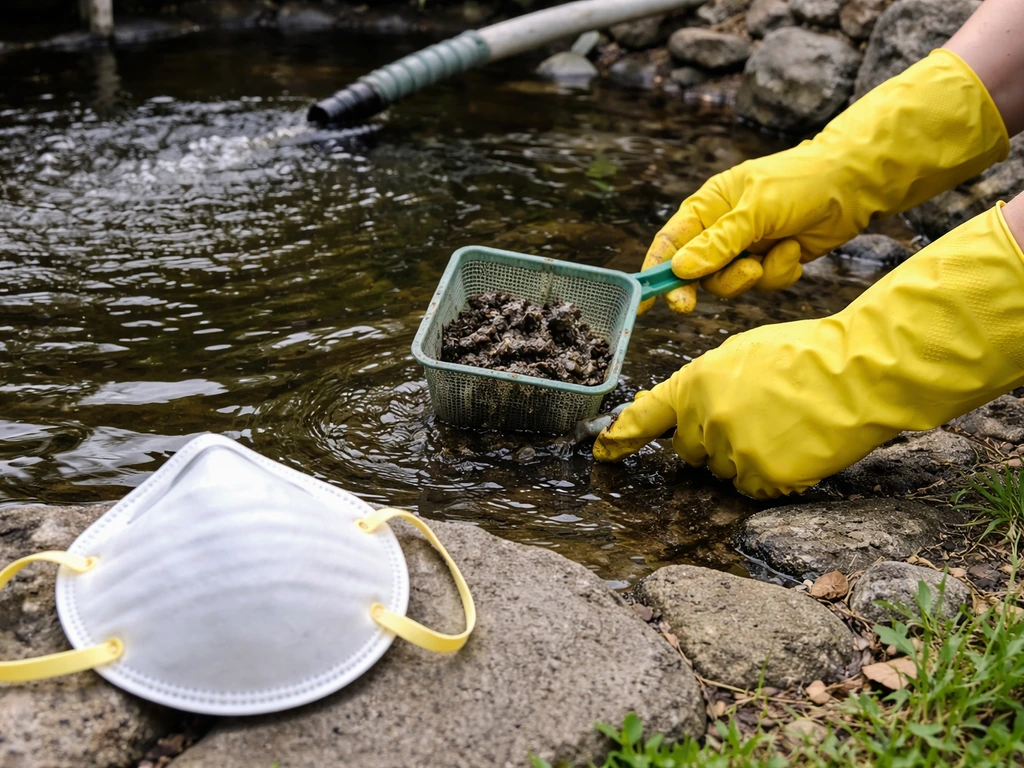
Whether you're dealing with a fresh incident or an ongoing problem, here's a practical sequence to follow today.
- Put on gloves before touching anything. If you're dealing with dried droppings near or around the water, add an N95 mask.
- Remove visible droppings from the water surface using a fine-mesh net or skimmer. Work gently to avoid stirring up settled debris.
- For aquariums: do a 25 to 30 percent water change immediately with dechlorinated, temperature-matched water. Run your filter on the highest safe setting for 24 to 48 hours.
- For outdoor ponds: remove surface debris, check and clean your filter media, and consider adding a dose of beneficial bacteria product to help the biological filter recover.
- For pools or chlorinated water features: follow CDC fecal incident response guidance. That means raising the free chlorine level and maintaining it long enough to inactivate pathogens. Cryptosporidium requires extended contact time even at proper chlorine levels.
- Do not dry-brush or pressure-wash dried droppings near open water without first wetting them down. You don't want to aerosolize spores near water your animals drink from or that you handle.
- Dispose of skimmed waste and cleaning materials in a sealed bag in the trash. Don't compost bird droppings from a contaminated pond area.
- Monitor your fish for 48 to 72 hours after a significant exposure. Signs of stress include gasping at the surface, erratic swimming, loss of appetite, and visible lesions.
Prevention: keeping droppings out of your water in the first place
Prevention is almost always easier than cleanup, especially for ponds and water features that birds visit regularly. CDC/NIOSH notes that histoplasmosis is an infection risk when areas with bird or bat droppings are disturbed, and it recommends preventing droppings from accumulating and reducing dust generation. The goal is to make the water less accessible and the surrounding area less attractive as a perch or feeding spot.
- Use pond netting or mesh covers, especially during seasons when birds roost heavily in your area. Fine netting keeps both birds and debris out of the water.
- Remove overhanging branches that birds use as launching pads directly over the pond. This single change can dramatically reduce droppings input.
- Install bird deterrents like reflective tape, predator decoys (owls, herons), or motion-activated sprinklers near water features. Rotate or move them periodically because birds habituate to static deterrents.
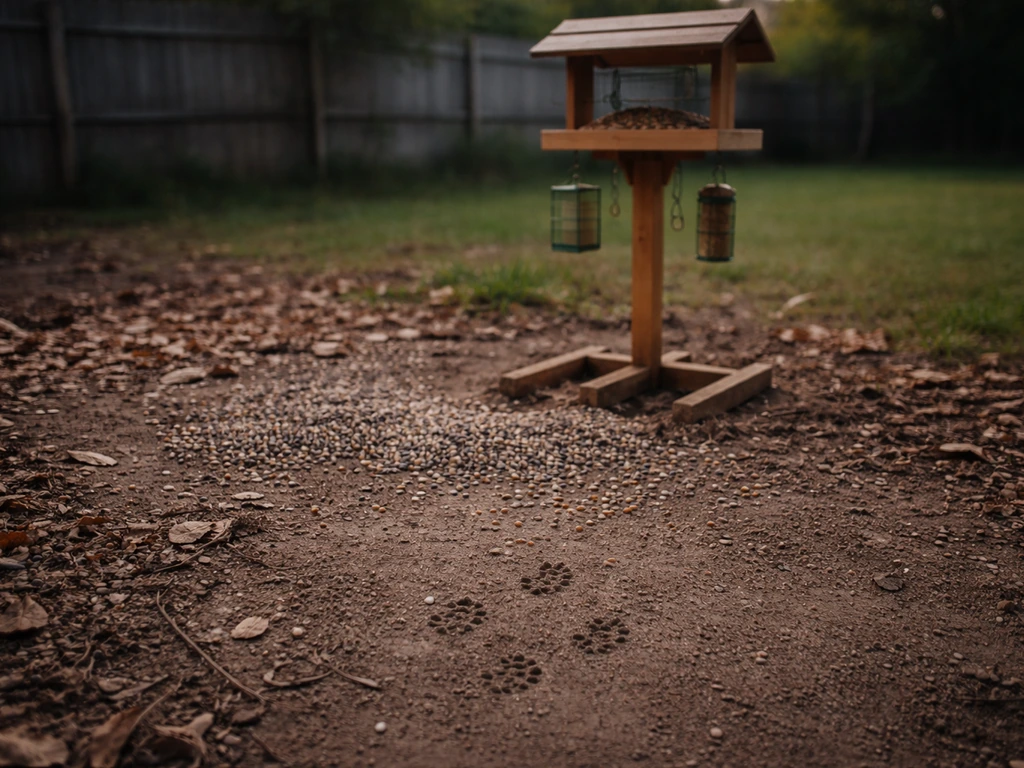
- Avoid feeding birds near your fish pond. Feeding stations attract larger and more frequent bird visits, which means more droppings in and around the water.
- If you have an outdoor fountain or small water feature, consider running it on a timer and covering it when not in use, particularly overnight when some bird species congregate.
- For koi and goldfish ponds, a floating pond cover or shade sail not only blocks droppings but also reduces algae growth driven by the nutrients those droppings introduce.
- Keep the area around the water edge clean. Droppings on decking, rocks, or pool edges can wash into the water during rain. A quick rinse of surrounding hard surfaces after a heavy roosting event goes a long way.
About the 'bird poop is good luck' thing
The belief that bird droppings bring good luck is widespread across many cultures, and it's a genuinely charming bit of folklore. The logic often goes that being hit by a bird is so unlikely (or so unpleasant) that it must carry some cosmic significance. From a pure probability standpoint, getting directly struck by a dropping is relatively rare, so the superstition has a kind of underdog-defying quality to it that people find compelling.
But here's the grounded reality check: when it comes to fish ponds, water features, or anywhere that droppings land in water your animals or family interact with, waiting for the luck to materialize while the Salmonella or algae bloom does its work is not a great strategy. The good luck belief is harmless as a fun cultural footnote. It becomes misleading when it encourages inaction after a real contamination event. Think of it this way: notice the dropping, smile at the superstition, then grab your net and gloves. Best of both worlds.
FAQ
How can I tell if the droppings are just one-off nuisance or a real risk to my fish?
Look for water changes within 24 to 72 hours, like new green tint or cloudiness, a stronger odor, fish gasping at the surface, clamped fins, or unusual lethargy. If you have test kits, elevated ammonia or nitrite plus falling dissolved oxygen is a stronger red flag than the droppings alone.
If my fish mouthed or swallowed a bird dropping, should I isolate or treat them?
Usually no treatment is needed for direct ingestion, because the main danger is water quality. Focus on water parameters and immediate cleanup of visible debris. In an aquarium, doing the 25 to 30 percent partial water change and running mechanical filtration (like a filter sock) is typically more useful than adding medications.
What’s the safest way to remove droppings from an outdoor pond without spreading germs or nutrients?
Use a net or scoop to remove the material quickly, then dispose of it in sealed trash. Avoid dry-sweeping, leaf blowing, or hosing the area aggressively into the pond. If the droppings are crusted, dampen the area before cleanup to reduce dust.
Is it safe to use a pond net cover or skimmer filter after a bird drops into the water?
Yes, skimmers and filter media help prevent further distribution of solids, but you should inspect and clean the intake media promptly. Dirty or overflowing media can release the captured organics back into the pond, so rinse or replace according to your filter type.
Can I rely on water changes alone if birds keep returning to the same spot?
Water changes help with short-term spikes, but they do not solve chronic input. For repeat droppings, prioritize prevention (covers for small ponds, discouraging perching, and improving circulation and filtration). Otherwise, nutrients and oxygen demand can keep building between cleanups.
Will chlorinating or adding chemicals to a pond make bird droppings safer?
If your water feature is not designed for disinfection, adding chemicals can harm fish and pets. For aquariums, do not assume standard pool-style chlorination is appropriate. The safer path is physical removal of solids, partial water change, and monitoring, unless you know exactly what treatment your system can safely use.
How long after droppings land in water is the biggest risk to fish and people?
Nutrient and oxygen problems can show up within days, especially if sunlight and warm temperatures drive algae growth. For people cleaning dried accumulations, the higher risk window is during disturbance of dust, because some fungal spores can become airborne and remain viable for long periods.
I have an aquarium, should I run extra aeration after a bird dropping incident?
Often yes. More aeration helps buffer the oxygen drop that can occur if organic matter decomposes or if a minor nutrient pulse triggers bacterial activity. Just monitor dissolved oxygen and avoid sudden swings in temperature or pH during water changes.
What should I do if a bird drops in my water garden fountain but I cannot remove it immediately?
Turn off the fountain briefly if it aerosolizes droplets or splashes onto nearby surfaces. Once safe, use a net to remove solids when possible, then do a partial water change. Also wipe nearby splash zones, because contaminated droplets can end up on decks and where people or pets touch surfaces.
Can dried bird droppings around my pond cause disease for pets even if they do not drink the water?
Yes. Pets can get exposed by sniffing, licking contaminated surfaces, or tracking dust indoors. If there is visible crusted material near the water feature, treat it like a contaminated cleanup area, wear gloves, and avoid actions that make dust.
Do fish ever help control the algae caused by droppings?
Not in the way people hope. If droppings increase nitrogen and phosphorus, algae growth can accelerate regardless of fish presence. A better strategy is removing solids, improving mechanical filtration, and reducing the nutrient input so algae has less fuel.