Yes, rats do eat bird poop. They are opportunistic scavengers, and bird droppings fall squarely within the range of things they will consume when other food is scarce or when droppings are simply right there in front of them. It is not their first food choice, but it is absolutely something they will go after, especially around bird feeders, under roosting spots, and in garages or patios where birds congregate regularly.
Do Rats Eat Bird Poop? Risks and What to Do

Marcus Fielding
21 May 2026
Why rats eat bird poop in the first place
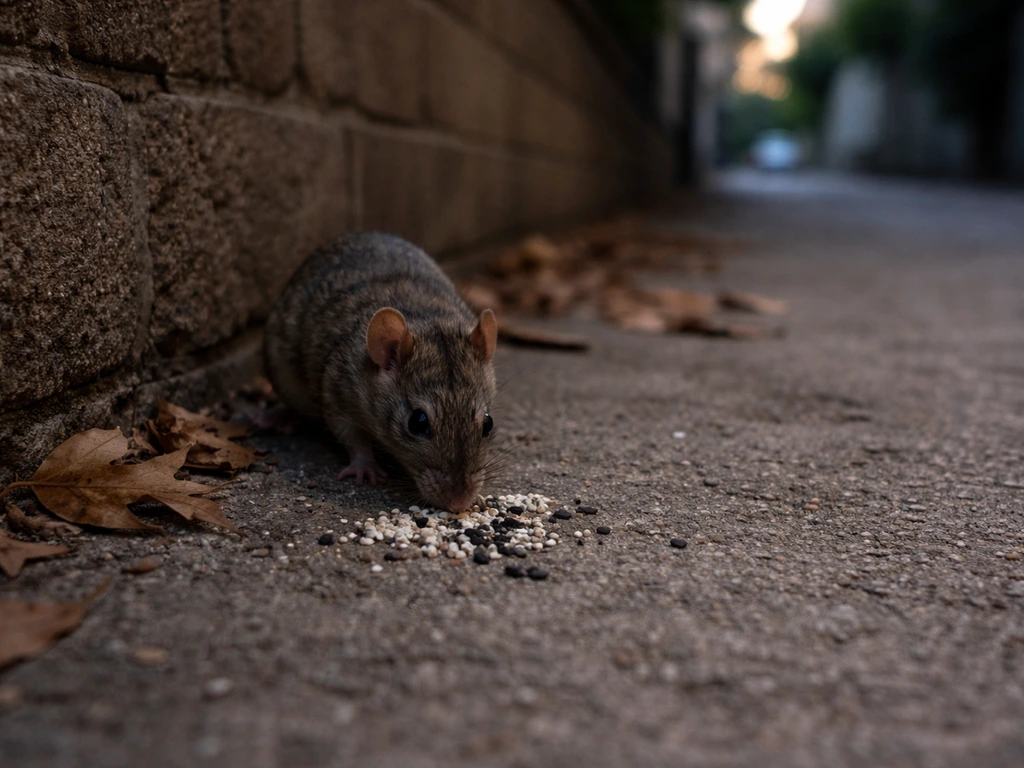
Rats are some of the most adaptable feeders on the planet. The Washington Department of Fish and Wildlife specifically lists animal droppings as part of the documented diet of Old World rats. Beyond that, coprophagy (eating feces) is a recognized behavior in rodents generally, not a sign of desperation so much as a practical strategy. Bird droppings contain undigested seeds, partially broken-down proteins, and other nutrients that a rat can still extract value from. Think of it less as gross and more as a rat seeing a secondary food source.
Research on invasive black rats (Rattus rattus) has even detected bird material in rat stomach and fecal samples using molecular analysis, confirming that rats scavenge bird-related food items and that the evidence shows up in what the rats themselves excrete afterward. So the connection between rats and bird material, including droppings, is documented, not just theoretical.
What makes rats more likely to go after droppings
A few specific conditions significantly increase the chance that rats in your area are actively visiting spots where bird droppings accumulate.
- Food scarcity: When other food sources dry up (less garbage access, competing rodent pressure, seasonal changes), droppings become a more attractive option. Late fall and winter are prime times.
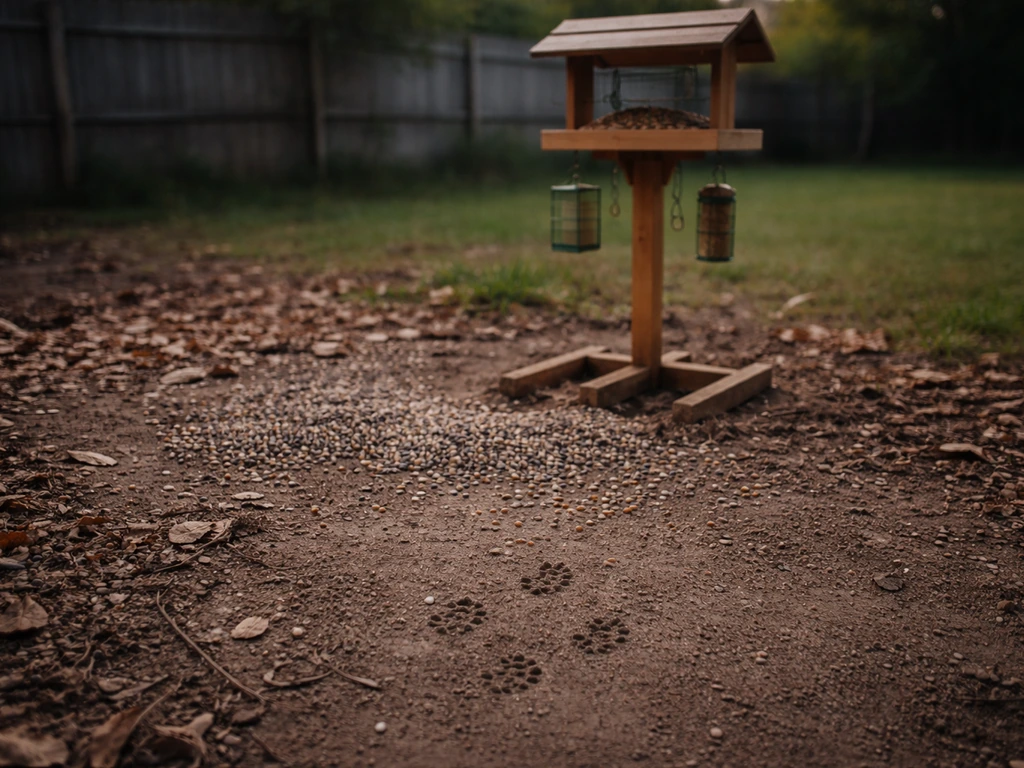
- Bird feeders: These are the biggest culprit for most homeowners. Spilled seed on the ground plus accumulated droppings beneath the feeder creates a combined food source that draws rats in. The droppings are almost a bonus alongside the seed.
- Roosting or nesting areas: Spots where large numbers of birds roost regularly (under eaves, in barns, along fence lines, in attic vents) produce concentrated accumulations of droppings. That concentration is what attracts rats, because it represents a reliable, dense food patch.
- Proximity to shelter: Rats feed close to cover. If droppings accumulate near dense shrubs, wood piles, or cluttered garages, they are much more likely to be visited than droppings in open, exposed areas.
- Pet food and water nearby: If you have outdoor pets or chickens, their food and water amplify the draw. Rats are already visiting, so the droppings nearby just become part of the buffet.
The health risks when rats and bird droppings mix
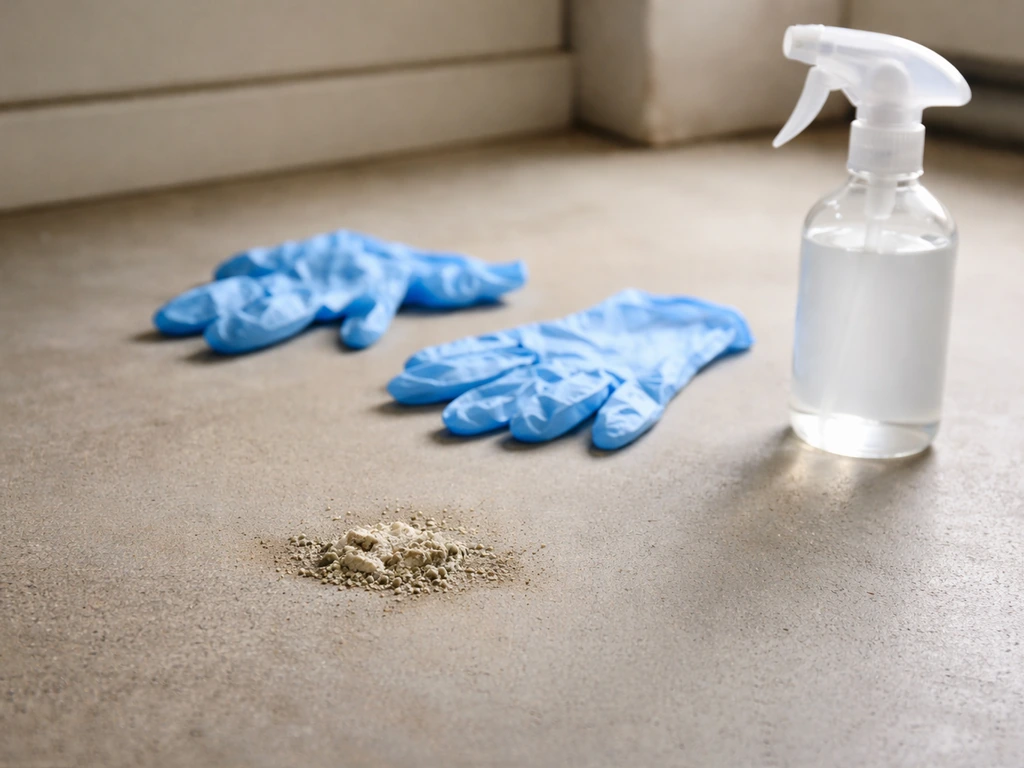
Bird droppings on their own already carry a real list of health concerns. Histoplasma capsulatum (the fungus behind histoplasmosis) thrives in droppings from pigeons, starlings, and blackbirds. Cryptococcus neoformans, Chlamydia psittaci (psittacosis), and Salmonella are all documented in various bird droppings. When rats enter the picture, the risk layer compounds.
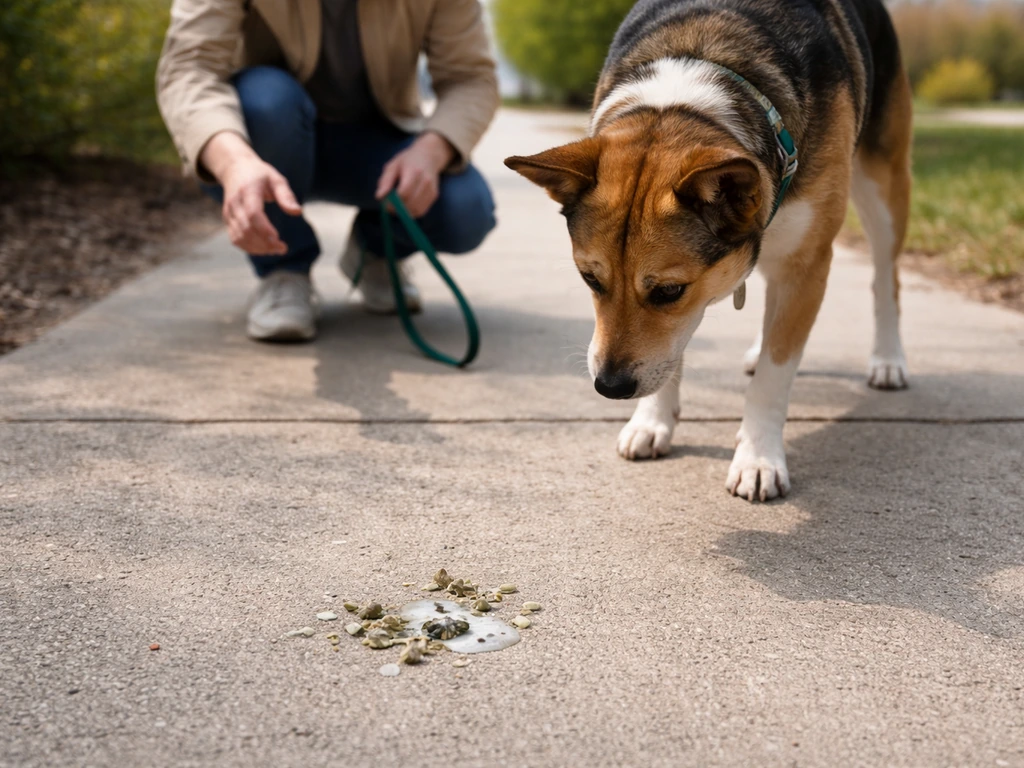
Rats can carry hantavirus, leptospirosis, rat-bite fever, and Salmonella, all of which can contaminate surfaces through their urine, droppings, or physical contact. When a rat scavenges bird droppings and then moves through your yard, patio, garden, or garage, it can spread pathogens from both sources across a much wider area than the original droppings covered. It also means the contamination zone is harder to identify, because rat traffic is often invisible until you look for it. Dogs can also be exposed when they eat bird droppings, and the symptoms can include vomiting, diarrhea, lethargy, and breathing issues dogs eating bird poop.
For households with dogs, this dual contamination is worth taking seriously. If a dog eats bird poop, it can lead to diarrhea and other stomach upset, so monitor symptoms and contact a vet if they persist or worsen For households with dogs. Dogs can pick up the same pathogens when they eat contaminated bird droppings, so treat it as a health risk and keep them away from affected areas For households with dogs.
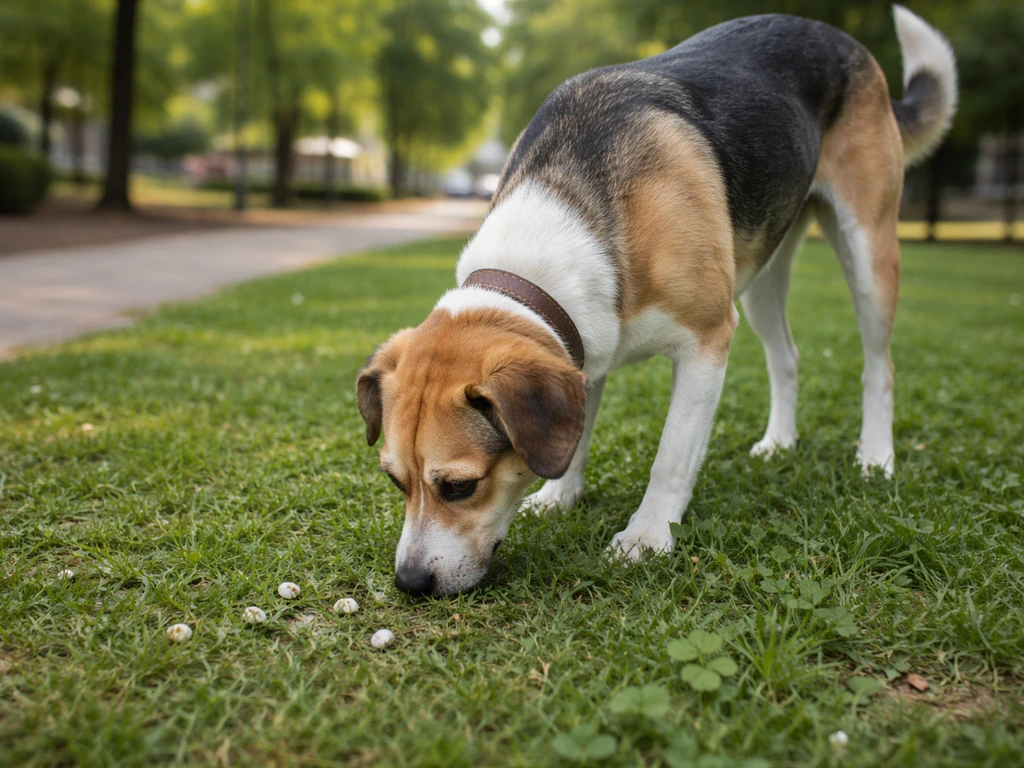
Dogs are known to eat bird droppings directly (a frustrating habit many dog owners deal with), and a surface that has been trafficked by both birds and rats is more hazardous than either alone. Because bird droppings can introduce parasites, including giardia in some cases, it is important to keep dogs from licking or sniffing contaminated areas. Similar concerns apply to other pets and to young children who play outside.
Signs that rats are visiting the droppings
Rats are mostly nocturnal and cautious, so you often won't catch them in the act. What you will find is evidence. Check these spots carefully around any area where bird droppings accumulate. Do snails eat bird poop too, or is that mainly a rat and other-pest problem?
- Rat droppings: Dark, spindle-shaped pellets about 12 to 20mm long, typically found along wall edges, under feeders, or near shelter. Rat droppings are noticeably larger than mouse droppings.
- Gnaw marks: On wood, plastic, or even the bird feeder itself. Rats gnaw constantly and will leave obvious chew damage.
- Burrows: Small tunnel entrances (roughly 5 to 10cm wide) near the base of walls, under decking, or near compost heaps close to where droppings accumulate.
- Grease marks or rub marks: Rats travel the same routes repeatedly and leave greasy smears along walls and fences from the oils in their fur.
- Disturbed droppings: If you notice that a concentrated pile of bird droppings looks scattered, dug through, or partially cleared overnight, that is a strong behavioral signal.
- Tracks: In mud or dust near the droppings area, look for four-toed front prints and five-toed hind prints in a walking pattern.
How to clean bird droppings safely when rats might be involved
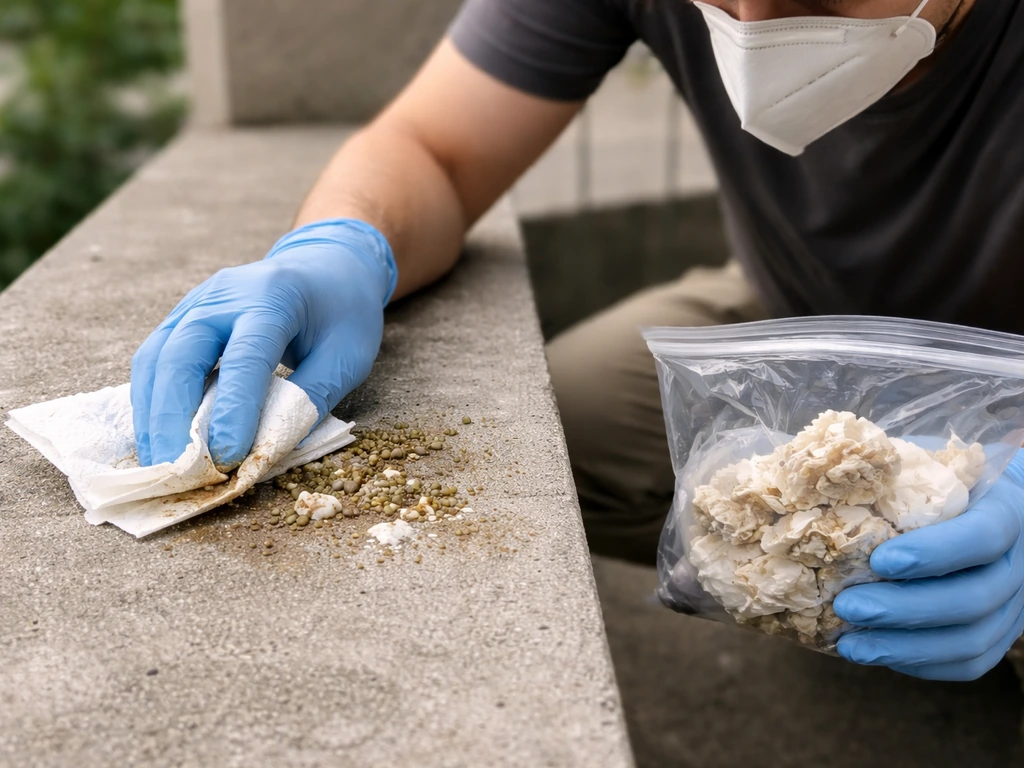
The core rule here is: never dry sweep or vacuum bird droppings, and even more so when rats may have been present. Dry disturbance sends fungal spores and bacteria airborne, which is the main pathway to respiratory infections like histoplasmosis. The same applies to rat droppings (hantavirus transmission is primarily through aerosolized particles from disturbed rodent waste).
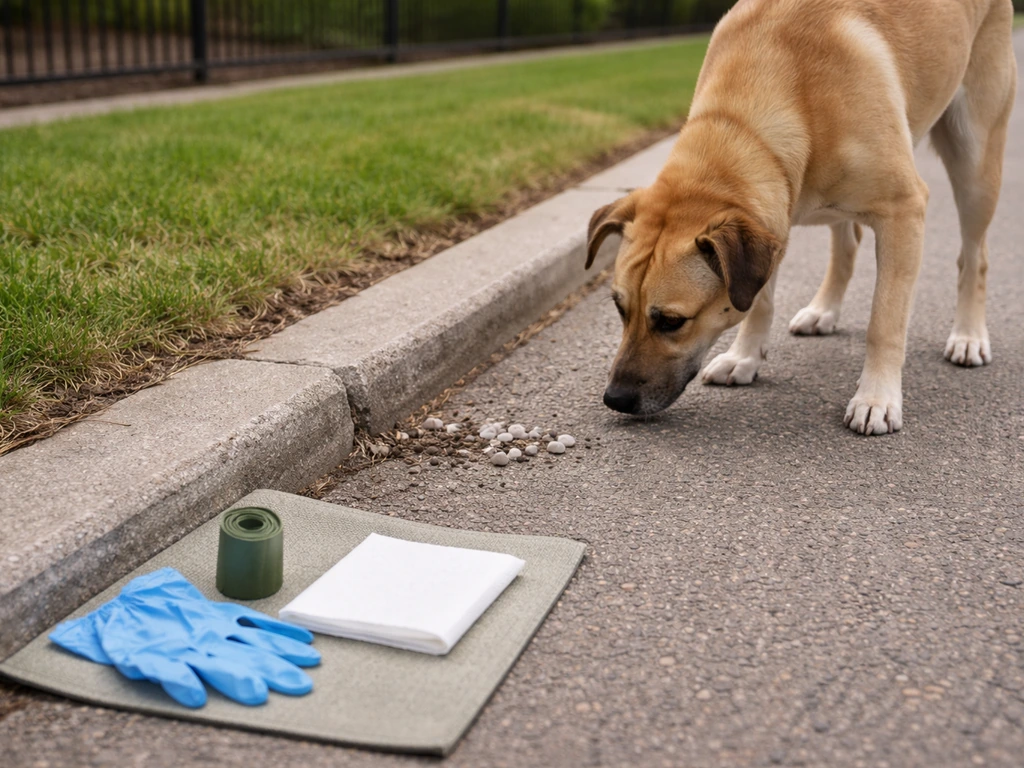
- Gear up first: Wear disposable gloves (nitrile, not latex), an N95 respirator or better, and eye protection. For large or concentrated accumulations, consider a disposable Tyvek suit.
- Wet the area before touching anything: Spray the droppings and surrounding surface thoroughly with a 1:10 bleach-to-water solution (roughly 1.5 cups of bleach per gallon of water) or an EPA-registered disinfectant. Let it soak for at least 5 minutes. This kills pathogens and binds dust.
- Scoop and bag: Use disposable paper towels or a damp cloth to pick up the wetted material. Double-bag it in sealed plastic bags and dispose of it in an outdoor bin.
- Disinfect the surface again: Rewipe the cleaned area with fresh disinfectant solution.
- Handle your gear carefully: Remove gloves by turning them inside out, then bag them with the other waste. Wash hands thoroughly with soap and water for at least 20 seconds, even after removing gloves.
- Wash any clothing worn during cleanup: Hot water cycle, separate from regular laundry.
- Ventilate enclosed spaces: If the droppings are in a garage, shed, or attic, open windows and doors and let the space air out for at least 30 minutes before entering without a respirator.
For large accumulations (anything covering more than a few square feet, or any accumulation in a poorly ventilated enclosed space), consider calling a professional remediation service rather than handling it yourself. The respiratory risk from large volumes of dried droppings is genuine, not overstated.
Reducing droppings access and making your yard less attractive to rats
Prevention is easier than repeated cleanup cycles. The goal is to reduce both the droppings accumulation itself and the other attractants that keep rats returning.
At the bird feeder
- Switch to no-mess seed mixes (hulled seeds, nyjer, or sunflower chips) that produce far less waste on the ground below the feeder.
- Use a tray feeder with a catch basin to collect fallen seed and reduce ground scatter.
- Clean under the feeder daily or every other day. Even a brief sweep removes the combined seed-and-droppings layer that rats find attractive.
- Bring feeders in at night if rats are an active problem. Most birds feed during daylight hours, so overnight removal reduces risk without affecting the birds.
- Mount feeders on smooth metal poles with baffles. Rats are excellent climbers and can ascend rough wooden poles and tree trunks easily.
Around the rest of the property
- Clear wood piles, dense ground cover, and debris within a few meters of where birds roost or feed. These are rat shelter zones.
- Seal gaps in sheds, garages, and exterior walls. Rats can squeeze through holes as small as 2cm in diameter.
- Store compost in sealed, rodent-resistant bins.
- Do not leave pet food outside overnight.
- Keep grass trimmed short near the house perimeter. Rats avoid open, exposed ground.
- Address any water sources (leaking taps, pooled water in pots or trays) near bird roosting areas, since rats need regular water access.
If birds roost on your roof or eaves
Concentrated roosting is a bigger problem than feeder droppings. Anti-roosting spikes, sloped ledge covers, and bird netting can significantly reduce the accumulation. Less droppings mean less reason for rats to visit that area repeatedly. This is especially relevant for garages and cars parked under eaves.
When to call pest control or a professional
Some situations are past the DIY threshold. Here is a practical way to gauge where you are.
| Situation | Recommended Action |
|---|---|
| You see one or two signs of rat activity but no confirmed sighting | Set snap traps, clean up droppings, remove attractants. Monitor for two weeks. |
| You find active burrows or multiple rat droppings in several locations | Combine trapping with exclusion work (sealing entry points). Consider calling pest control if you are not comfortable with exclusion. |
| You see live rats during daylight hours | Daytime activity often signals a large, stressed population. Call pest control promptly. |
| Large droppings accumulation in an enclosed space (attic, crawl space, wall cavity) | Call a professional remediation service. Do not disturb a large volume in an enclosed space without proper equipment. |
| Anyone in the household has had respiratory symptoms after cleaning or exposure | See a doctor and mention the exposure to bird or rodent droppings specifically. Histoplasmosis and hantavirus both require prompt medical attention. |
| Droppings and rat activity on property used by children, elderly, or immunocompromised individuals | Treat as a higher-risk situation and bring in professionals sooner rather than later. |
A licensed pest control company can do a full property assessment, identify entry points you would not find yourself, and set up a managed baiting or trapping program. If the issue is inside a building (attic, crawl space), a wildlife remediation specialist can handle both the rodent removal and the safe cleanup of contaminated material. That combination, rodent removal plus professional decontamination, is the right call when the situation has moved past a few signs around a bird feeder.
The bottom line: rats eating bird poop is a real behavior, not a myth, and it matters because it means rats are using your bird-feeding or roosting areas as a food source. Catching it early, cleaning safely, and cutting off the attractants is almost always enough to resolve the problem before it escalates. The steps above give you everything you need to handle it today.
FAQ
If I see fresh bird droppings, does that mean rats are definitely eating them?
Not necessarily. Fresh droppings can sit untouched for a while, but rats are more likely to visit when droppings are in consistent, protected locations (under roosting ledges, near feeders, along sheltered patio edges). If you notice rat rub marks, greasy smears along walls, footprints/tracks, or droppings plus gnawing or scratching nearby, that is stronger evidence of rat foraging.
Are rats attracted to bird poop only when there is little other food around?
They are opportunistic, so scarcity increases activity, but it is not required. A site with ongoing droppings offers a dependable, easy calorie source and it can outweigh other nearby foods. That is why prevention (reducing roosting and cleanup cadence) often reduces rat visits even in areas with other wildlife activity.
What is the safest way to clean up if I suspect rats were involved?
Avoid dry sweeping or vacuuming. Instead, ventilate the area, pre-wet droppings and surrounding debris with an appropriate disinfectant solution, then pick up with disposable tools and bag immediately. After cleanup, wash hands and exposed skin thoroughly. If the material is heavy or in a closed space, switch to professional remediation rather than attempting DIY.
Can I use normal household bleach for cleaning bird droppings and rat contamination?
You generally need an appropriate disinfectant and correct dilution, but bleach alone can be ineffective on some surfaces or may require specific contact time. Also, mixing chemicals is dangerous, and some products should not be used together. If you are unsure, pick one product as directed on the label and follow the contact time requirement.
Will rinsing droppings with water make the health risk disappear?
It reduces dust, but it does not remove all contamination. Pathogens can remain in residue and contaminated surface film. The key is to prevent aerosolization, then disinfect and remove the waste completely, bag it, and follow up with hand hygiene and surface sanitation.
Do rats spread pathogens mainly through droppings, or can urine and smears matter too?
Urine and droppings both matter, and so do contaminated surfaces rats travel across. Rats can transfer material on their feet, fur, and bodies, creating a wider contamination zone than where you originally see droppings. That is one reason to clean and disinfect the area around the droppings, not just the visible pile.
What signs should I look for to confirm rats are present around bird areas?
Look for droppings along travel paths, grease rub marks on walls or beams, gnawed wood or packaging near entry points, and regular footprints or smudges after walking through dusty areas. You can also check for nesting material in sheltered corners and listen for movement behind panels, especially at night.
How can I tell the difference between a rodent problem and other animals eating droppings?
Rats tend to leave droppings and evidence along paths near hiding spots, and you may find them near structures (garages, along fence lines, under eaves). Birds may leave droppings directly where they roost or feed, and other pests have different traces (for example, insects and slugs leave distinct trails rather than rodent droppings). If droppings are accumulating in protected horizontal zones and you also see rodent signs, rats become the more likely cause.
Is it safe to keep feeding birds if rats are showing up?
It can be, but only if you manage attractants aggressively. Remove spilled seed, clean up droppings from high-traffic areas promptly with safe wet methods, and reduce roosting on nearby structures using deterrents (spikes, covers, netting). If rats are actively foraging inside or in enclosed spaces, pause feeding temporarily while you address the rodent entry and cleanup.
What should I do if my dog eats bird droppings or licks an area I just cleaned?
Monitor closely for gastrointestinal signs such as vomiting or diarrhea and for changes in appetite or energy. Keep the dog from the area until cleanup is fully complete and surfaces are disinfected and dry. If symptoms persist, worsen, or you notice unusual lethargy, contact a veterinarian promptly, because the risk is not limited to bird droppings alone.
How do I decide when to stop DIY cleanup and call a pro?
Use a simple threshold: if droppings cover more than a small patch, if the area is enclosed with limited ventilation (attic, crawl space, shed), or if you suspect significant rat activity rather than a one-time mess, remediation is usually safer and more effective. Professionals also can address the root cause by mapping entry points and controlling rodents, not just removing waste.
Does trapping or baiting solve the problem permanently?
It solves it temporarily if the attractants and entry points remain. Rats will return if roosting areas still generate droppings and if gaps around doors, vents, and siding allow access. A durable fix combines exclusion (seal entry gaps), removal of food sources (spilled seed, droppings buildup), and a managed control plan.
What are common mistakes people make with droppings cleanup?
The biggest mistakes are disturbing waste dry (sweeping, brushing, or dry vacuuming), using the wrong or mixed chemicals, and cleaning only the visible pile instead of treating nearby traffic zones. Another frequent issue is delaying cleanup, which increases drying and dust formation and makes the aerosolization risk worse when cleanup finally happens.