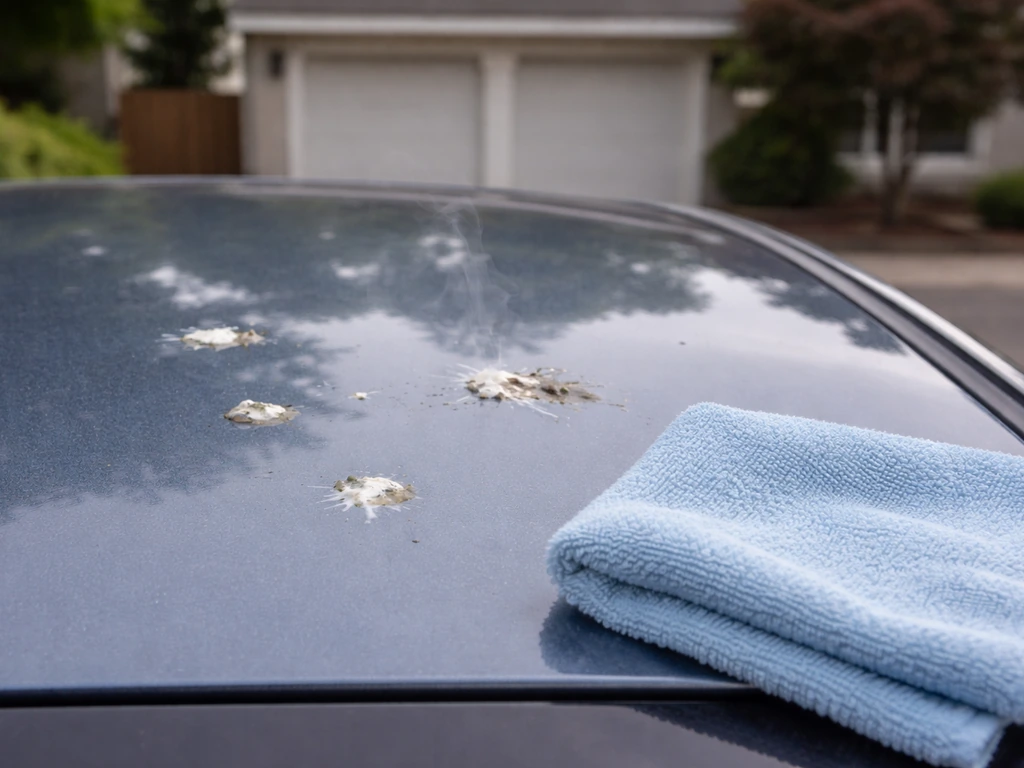
Yes, bird droppings do attract flies, and under the right conditions they can become a genuine fly magnet. Fresh, moist droppings are the biggest draw. Female house flies and similar filth-breeding species actively seek out warm, wet organic material to lay eggs, and bird feces fits that description well. The good news is that a small splatter on your car hood or patio railing is unlikely to trigger an infestation on its own. But if you have a roosting situation, a messy bird feeder, or droppings accumulating in a warm, sheltered spot, flies will find it.
Does Bird Poop Attract Flies? Causes, Risks, Cleanup Tips

Marcus Fielding
11 Jun 2026
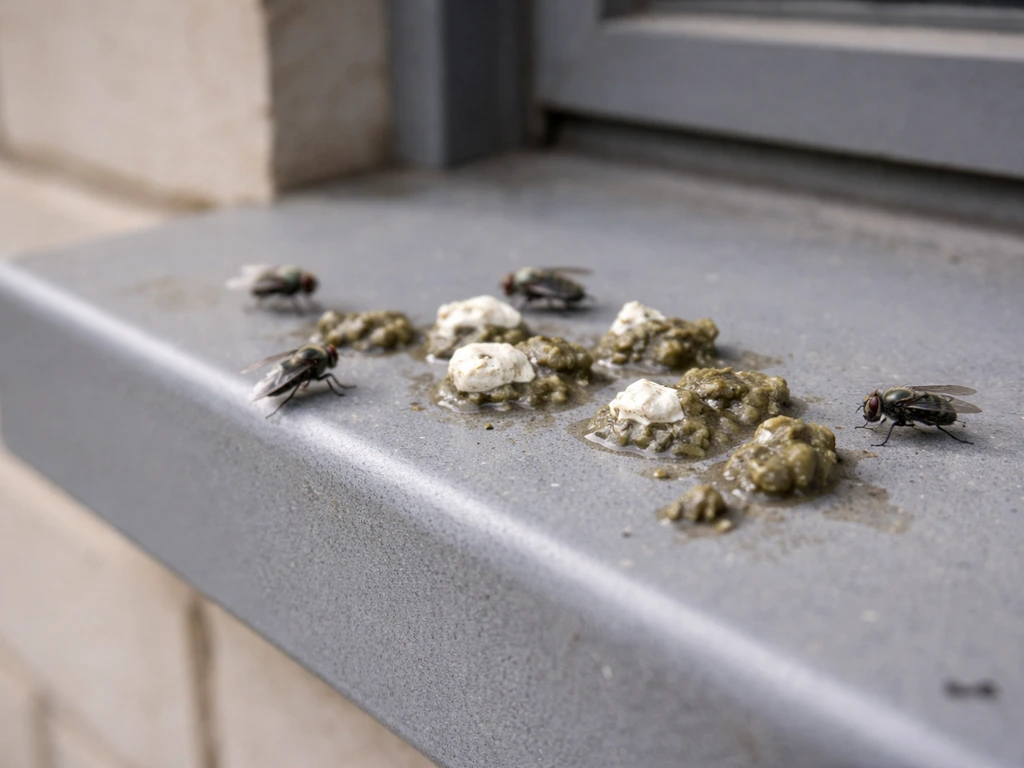
When bird droppings are most likely to pull in flies
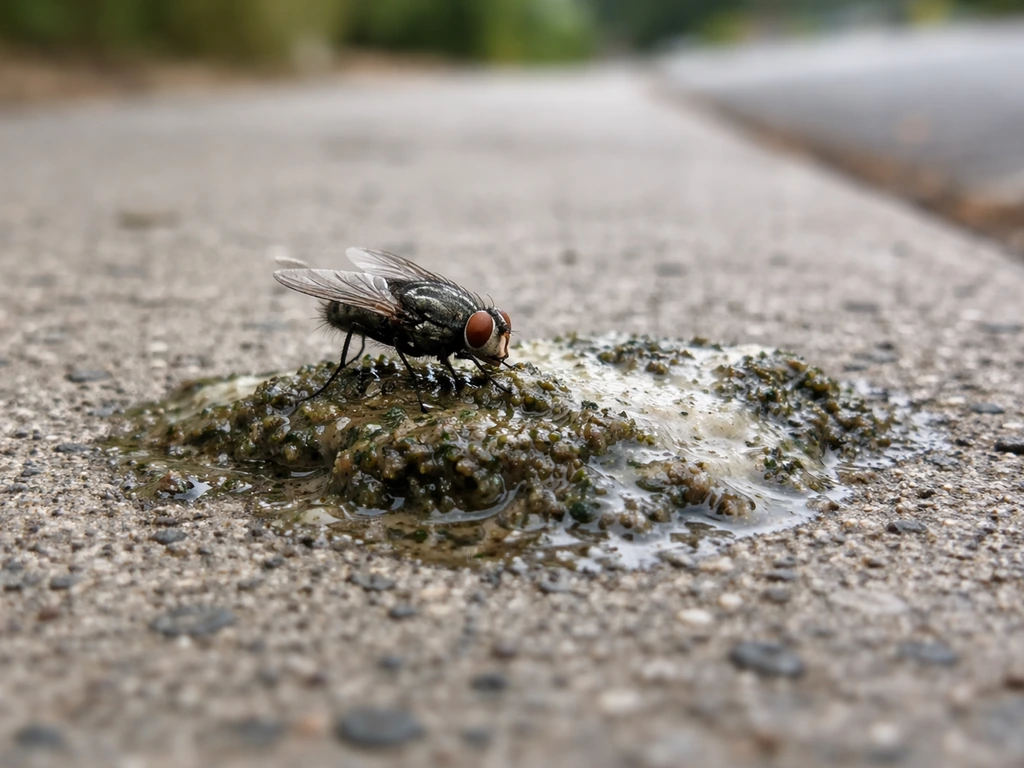
Fly attraction is not a flat yes or no situation. It depends on a handful of specific conditions that either make bird droppings irresistible to flies or keep the interest low. Knowing these helps you figure out how urgently you actually need to act.
Freshness and moisture
Fresh, moist droppings are the prime target. House fly larvae need material with roughly 40 to 80 percent moisture content to survive, so a wet dropping is significantly more attractive than a dried, crusty one. In hot weather, fly eggs can hatch in as little as 6 to 12 hours, which means a single fresh deposit in a warm spot can go from egg to larva before you even notice it. Once droppings dry out and harden, they lose most of their appeal as a breeding site, though they can still attract flies looking for a food source.
Temperature and location
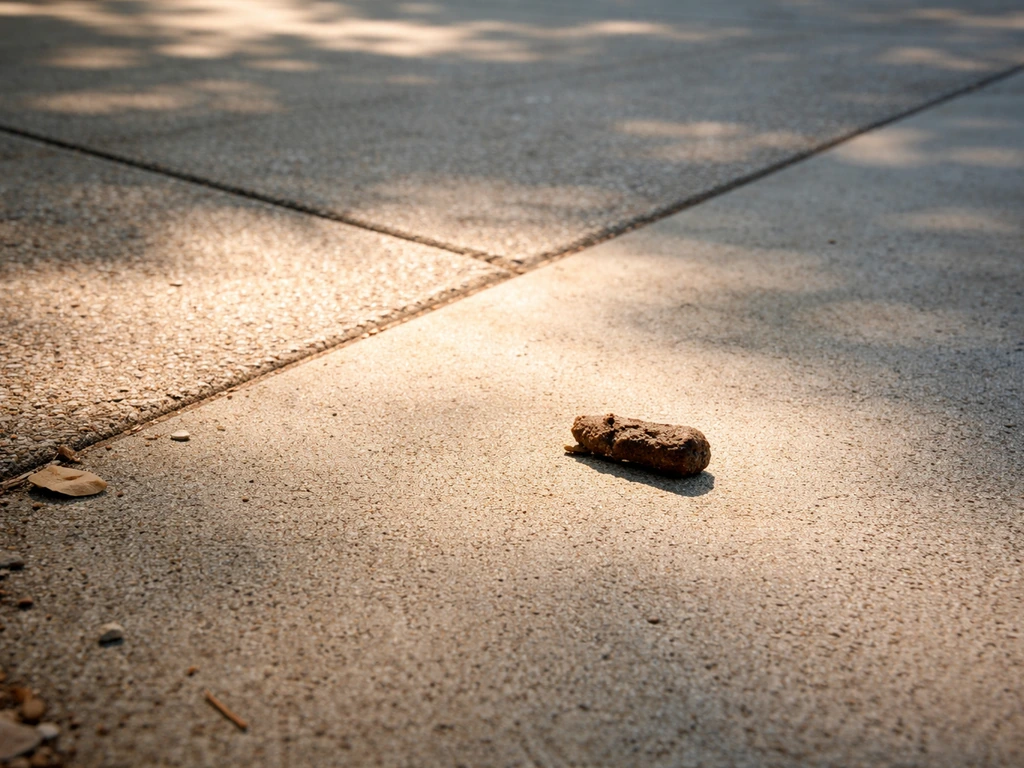
Flies thrive when temperatures sit between 70 and 95 degrees Fahrenheit (21 to 35 degrees Celsius). A dropping on sun-warmed concrete in July is far more likely to attract flies than the same dropping on a shaded porch in November. Sheltered spots like under overhangs, inside garages, or beneath a dense bird feeder stay warm and protected from wind and rain, creating exactly the microclimate flies look for.
Quantity and accumulation
This is probably the biggest factor. A single dropping from a passing sparrow is low risk. A ledge, rooftop, or attic space where a flock of pigeons or starlings has been roosting for weeks is a very different story. Research has shown that even small amounts of bird feces (around 6 grams in controlled studies) can significantly attract insects including flies. With larger accumulations, you get both a prime breeding substrate and a persistent food source, which is how a modest bird problem becomes a genuine fly infestation. Large roosting populations create the highest risk, and the combination of droppings with feathers, nesting debris, and moisture makes the situation worse.
The real health risk, and why it goes beyond just flies
Flies are an annoyance, but the deeper concern with bird droppings is what they carry. If you notice a strong, unpleasant odor in your house from droppings, it is often a sign there is an active buildup nearby that should be cleaned and handled safely the deeper concern with bird droppings is what they carry.. Bird feces can contain pathogens including Salmonella, E. coli, Campylobacter, and Cryptosporidium. Pigeons and starlings are associated with histoplasmosis, a fungal lung infection caused by Histoplasma capsulatum spores that thrive in moist, nutrient-rich droppings accumulations. Psittacosis (parrot fever) is another concern, spread through dried droppings or secretions that get airborne. The critical point from public health guidance is this: the biggest exposure risk comes not from touching droppings but from breathing dust generated when droppings dry out and get disturbed. If you are wondering what bird droppings smell like, the odor is often strongest when they are fresh and moist what does bird poop smell like.
That said, scale matters a lot. A single dropping on a windowsill does not pose a serious health risk to most healthy adults. It is the large, accumulated, and especially dried deposits in enclosed spaces that create meaningful inhalation hazards. People with compromised immune systems, the elderly, and young children face higher risk even at lower exposure levels. If you are immunocompromised, public health guidance is direct: avoid cleaning up droppings yourself and get someone else to handle it.
How to clean bird poop safely, step by step
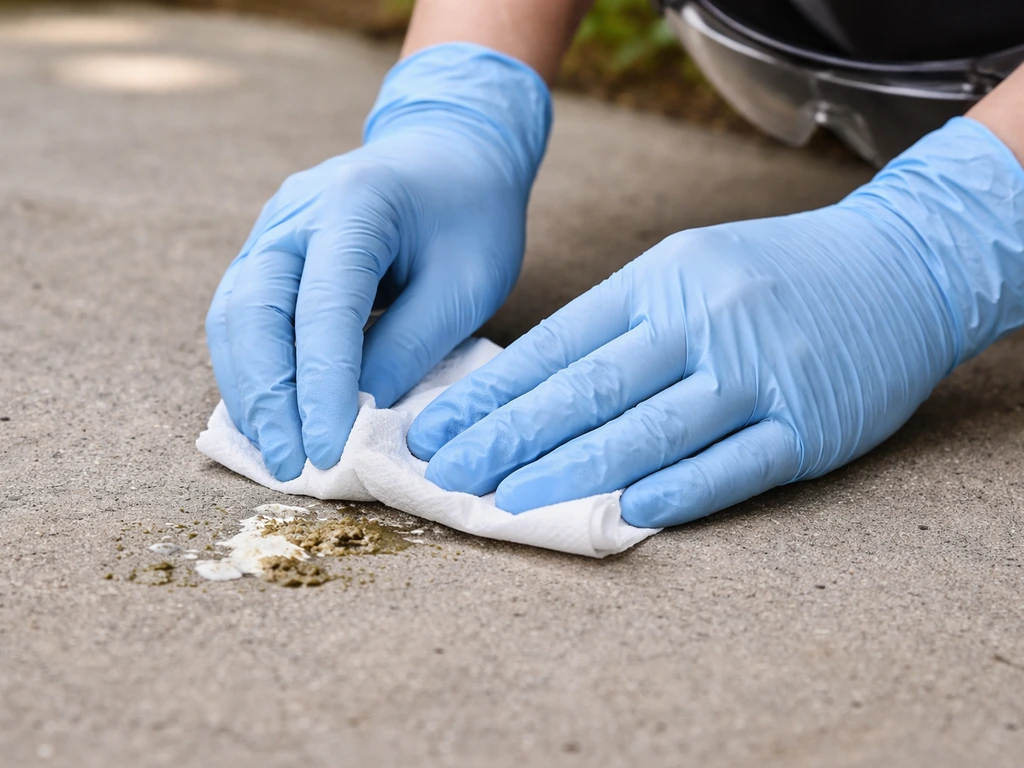
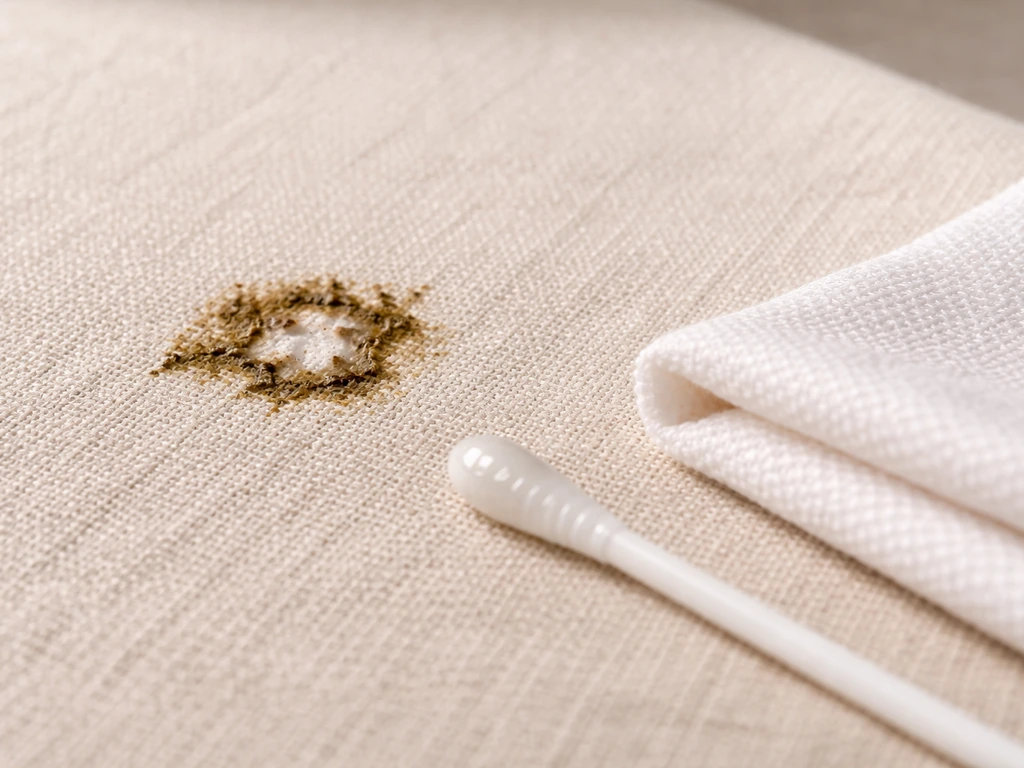
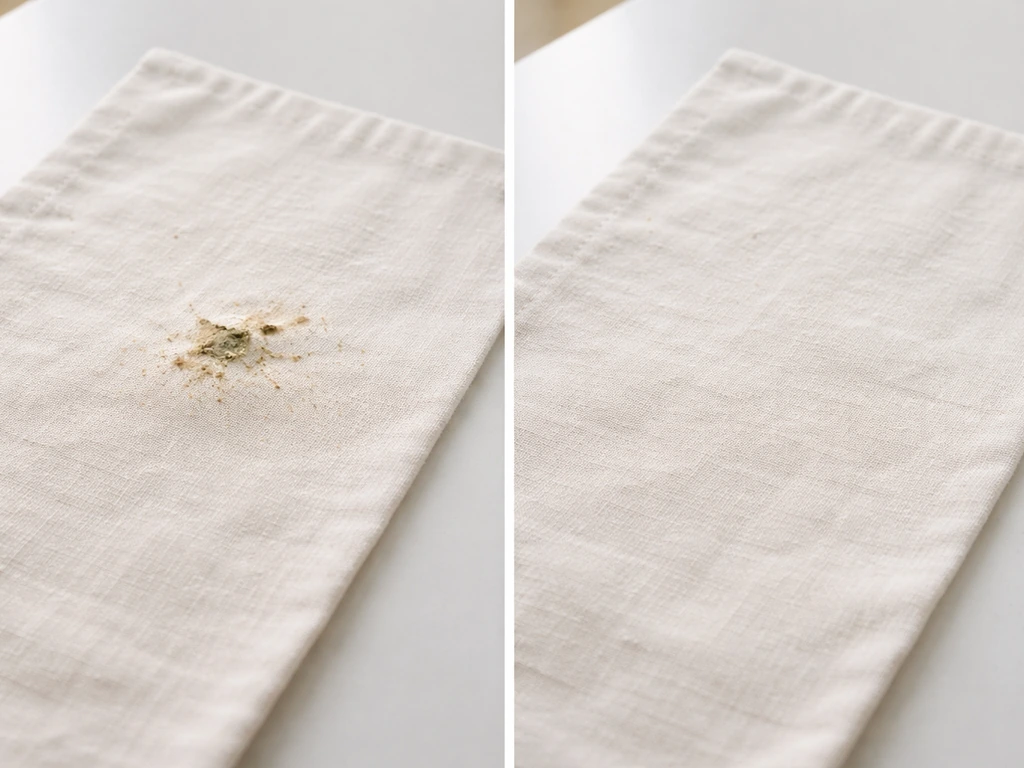
The single most important rule is to never dry-clean bird droppings. Dry scraping, sweeping, or brushing sends contaminated particles into the air you are breathing. Wet the material first, every time. The NY State Department of Health similarly advises that you should not vacuum or sweep droppings because that can create dust, and instead wet down the droppings before cleanup while using protective equipment such as gloves and a dust mask or respirator blank" rel="noopener noreferrer">Wet the material first, every time.. If your main question is whether bird poop comes out in the wash, the safest approach is to pretreat stains promptly and avoid shaking or agitating dried droppings. Here is how to handle it properly on different surfaces. If bird droppings do land on fabric, it helps to remove and pretreat them promptly to prevent stubborn staining bird poop stain clothes.
Gear up first
- Disposable gloves (nitrile or latex) for any cleanup
- Eye protection if there is any splashing risk
- A disposable dust mask (N95 or better) for dried, large, or enclosed cleanups
- Disposable or washable outer clothing for bigger jobs
- Plastic sheeting to contain larger accumulations before you start
Surface-by-surface approach
| Surface | Method | Notes |
|---|---|---|
| Car paint | Soak with water or car-safe enzyme cleaner, let sit 1 to 2 minutes, blot and wipe gently, rinse thoroughly | Do not scrub dry; bird poop is mildly acidic and can etch clear coat quickly in heat |
| Concrete / patio | Wet thoroughly with water, apply EPA-registered disinfectant, scrub with a stiff brush, rinse away from drains if possible | For large accumulations, contain the area and keep material wet throughout |
| Decking (wood or composite) | Wet the dropping, wipe or scrape gently, apply dilute disinfectant solution, rinse | Avoid pressure-washing dry droppings directly; wet first |
| Windows / glass | Soak with water or glass-safe cleaner, wipe with paper towel, discard towel immediately | Straightforward but keep it wet to avoid dust |
| Grass / soil | Small amounts: water in and let soil biology handle it. Large accumulations: wet, scoop into sealed bag, dispose | Do not rake dry droppings; this aerosolizes material |
Disinfection and disposal
For hard, non-porous surfaces, follow up cleaning with an EPA-registered disinfectant, using a product that has label claims for the pathogens you are concerned about. Diluted bleach (following label directions for concentration) is a practical option for concrete and similar surfaces. For droppings cleanup products designed specifically for bird waste, note that many are cleaners, not disinfectants, so they remove the material without necessarily killing pathogens on the surface underneath. Always use both a cleaner and a disinfectant for higher-risk situations. Bag all waste in sealed plastic bags before putting it in the trash, and wash your hands thoroughly after removing gloves.
What not to do (these mistakes make things worse)
- Do not dry sweep or vacuum bird droppings. This is the single fastest way to aerosolize pathogens and spores. Always wet the material first.
- Do not scrape hardened droppings off car paint without soaking them first. You risk both etching the paint and creating dust.
- Do not use a leaf blower anywhere near accumulated droppings. This disperses contaminated particles across a wide area.
- Do not handle droppings bare-handed, even for a quick wipe-off. Gloves take seconds to put on.
- Do not clean large indoor or enclosed accumulations without respiratory protection. This is when histoplasmosis and psittacosis risk is highest.
- Do not attempt large-scale roost cleanups if you are immunocompromised. Get professional help instead.
How to reduce droppings and keep flies away for good
The most effective thing you can do, according to both public health guidance and basic pest management logic, is prevent droppings from accumulating in the first place. Flies cannot breed in material that is not there. Prevention works on two levels: discouraging birds from roosting and cleaning up quickly when droppings do appear.
Discourage roosting
- Install bird spike strips on ledges, railings, roof edges, and window sills where birds prefer to perch
- Use bird netting over larger areas like balconies, eaves, or garden structures
- Reflective tape or visual deterrents (owl decoys, predator silhouettes) can help, though birds adapt quickly, so move them regularly
- Remove or relocate bird feeders if they are directly above a patio, car parking area, or deck, and clean up seed spillage promptly since seed residue also attracts flies
- Trim trees or shrubs close to the house that provide easy access to roosting spots
Sanitation and moisture management
- Clean up droppings quickly, especially in warm weather, to cut off the window for fly egg-laying
- Improve drainage on patios and under feeders so droppings do not sit in standing water, which accelerates organic breakdown and fly attraction
- Clean drains and gutters where debris and droppings can accumulate, since moisture-rich organic buildup in drain areas is a classic fly breeding site
- If you have an outdoor bird aviary or enclosure, clean dropping boards daily in summer
- For larger roost sites, professional exclusion or abatement is often the most practical long-term solution
The good luck thing, and what actually matters
You have probably heard that getting pooped on by a bird is good luck. It shows up in cultures across Europe, Russia, and parts of Asia, and the reasoning usually goes that something so statistically unlikely must carry positive fortune. It is a fun idea, and honestly, if a pigeon tags your shoulder on the way to a job interview, reframing it as luck is a healthier response than the alternative. The symbolism is harmless and kind of charming.
What is not charming is leaving droppings to sit, dry out, and attract flies while you wait for the good luck to materialize. The practical advice and the superstition can coexist just fine: appreciate the moment, then clean it up correctly. The same applies to the smell question (fresh droppings have a distinct odor that gets worse as they dry and concentrate) and the staining risk (bird poop can and does stain car paint, fabric, and concrete if left too long). The cultural story is worth a smile. The cleanup is worth doing promptly.
Bottom line: bird droppings attract flies most aggressively when they are fresh, moist, warm, and plentiful. People often ask about how bird poop smells on forums like Reddit, and it can vary depending on how fresh it is and what it is feeding on what does bird poop smell like reddit. A single small dropping in a breezy outdoor spot is low concern. A roosting accumulation in a sheltered, warm area is a fly and pathogen problem waiting to happen. House fly eggs are laid on wet, decaying organic matter such as moist garbage, animal manure, and rotting plant debris, and indoors, improperly ventilated areas or accumulated bird feces can sometimes serve as breeding sites blank" rel="noopener noreferrer">roosting accumulation in a sheltered, warm area is a fly and pathogen problem waiting to happen. Clean it up wet, gear up appropriately, disinfect the surface, and sort out the roosting situation at the source. That is the whole playbook.
FAQ
If I got one bird poop splatter on my patio or car, will it attract flies overnight?
Usually no. A single fresh splat outdoors in a breezy area is unlikely to support a full fly life cycle. Flies need repeated, moist deposits in warm shelter for eggs to hatch and larvae to develop, so risk rises mainly with roosting or feeder mess that keeps new droppings coming for days.
Does dried bird poop still attract flies, or only fresh droppings?
Moisture level matters most early on. Once droppings dry into a crust, they become less attractive as a breeding site, though adult flies may still visit for food. If it is still wet or smeared, treat it as high-risk for fly activity and odor.
Can bird poop attract flies into my house even if the droppings are outside?
Yes, but indirectly. Flies are attracted because they can feed on or lay eggs in the organic material, and if deposits persist, larvae can develop nearby. The more practical indicator is accumulation in warm sheltered spots, not the single smell of one droplet.
What protective gear should I use when cleaning bird droppings, especially if it is in a garage or attic?
Wear eye protection and disposable gloves, and avoid creating dust. Use wet methods (soak and wipe) rather than brushing, and ventilate the area. If you are cleaning up large amounts, it is reasonable to wear a properly fitted respirator (not just a cloth mask) because dried droppings can aerosolize.
Do bird poop removal sprays disinfect, or do I still need a separate disinfectant?
Not necessarily. Many bird-waste products marketed for “cleaning” are cleaners that remove material but do not disinfect. For meaningful pathogen control on non-porous surfaces, you generally need a disinfectant step after cleaning, unless the product label explicitly states disinfecting for the relevant germs.
What should I do differently if the bird droppings are on a porous surface like fabric, wood, or drywall?
On porous materials like untreated wood, drywall, or fabric, standard surface disinfectants may not reach organisms deep in the material. For small spots, thorough wet cleaning and drying can help; for heavy buildup or lingering odor, replacement or professional remediation is often the safest route.
What prevention steps actually stop the flies, not just the visible droppings?
Yes. The fastest way to reduce fly attraction is to remove the food source and moisture, then stop future deposits. For birds, use deterrents like spikes, netting, or covered feeder designs, and clean under roost points quickly so droppings do not sit long enough to hatch eggs.
Should I throw away the paper towels or gloves after cleanup, or can I reuse them?
Bag it immediately after wetting and wiping. For cleanup tools like rags, treat them as contaminated and either discard or launder promptly using hot water when the fabric allows. Do not reuse sponges or paper towels, because they can spread residue.
What are the biggest mistakes that make bird poop cleanup riskier for your health?
Dust control is the key. Do not shake items, sweep dry, or use a leaf blower. If droppings are on outdoor cushions or clothing, pre-moisten the area before handling and launder promptly; for very heavy soiling or immune-compromised households, consider professional cleaning.
If someone in my home is immunocompromised, how urgent is a bird poop cleanup?
Treat it as higher urgency. Even though one small spot is often manageable for healthy adults, large accumulated droppings in enclosed spaces increases inhalation exposure, and immunocompromised people may need to avoid DIY cleanup altogether and delegate to a trained cleaner.