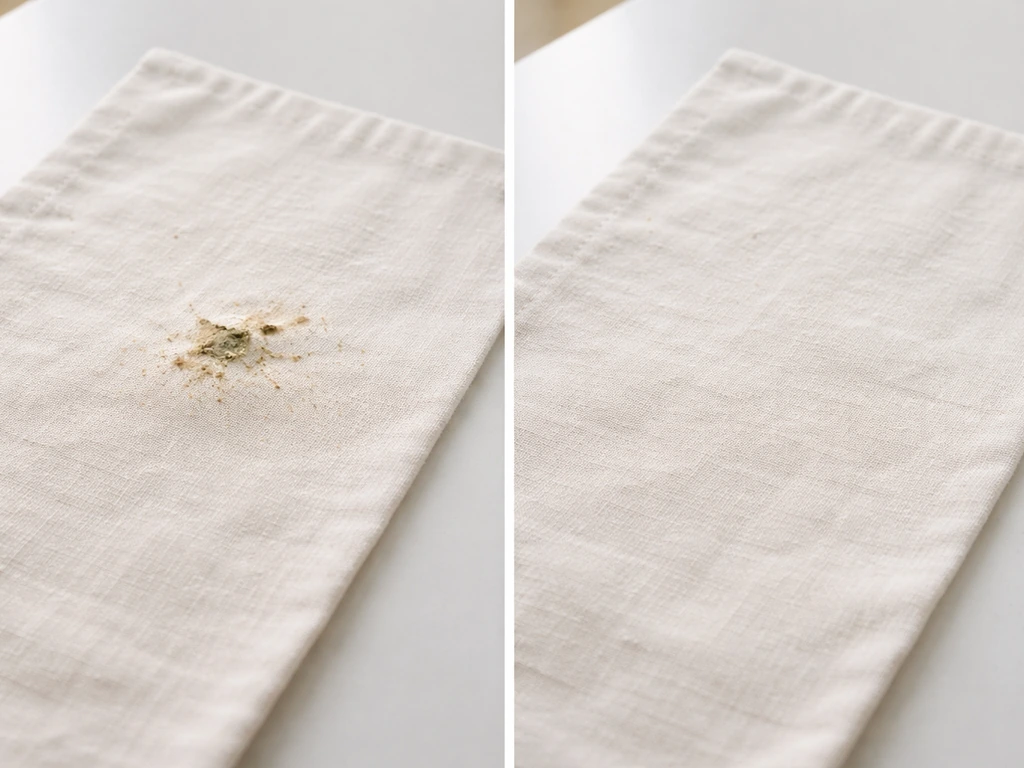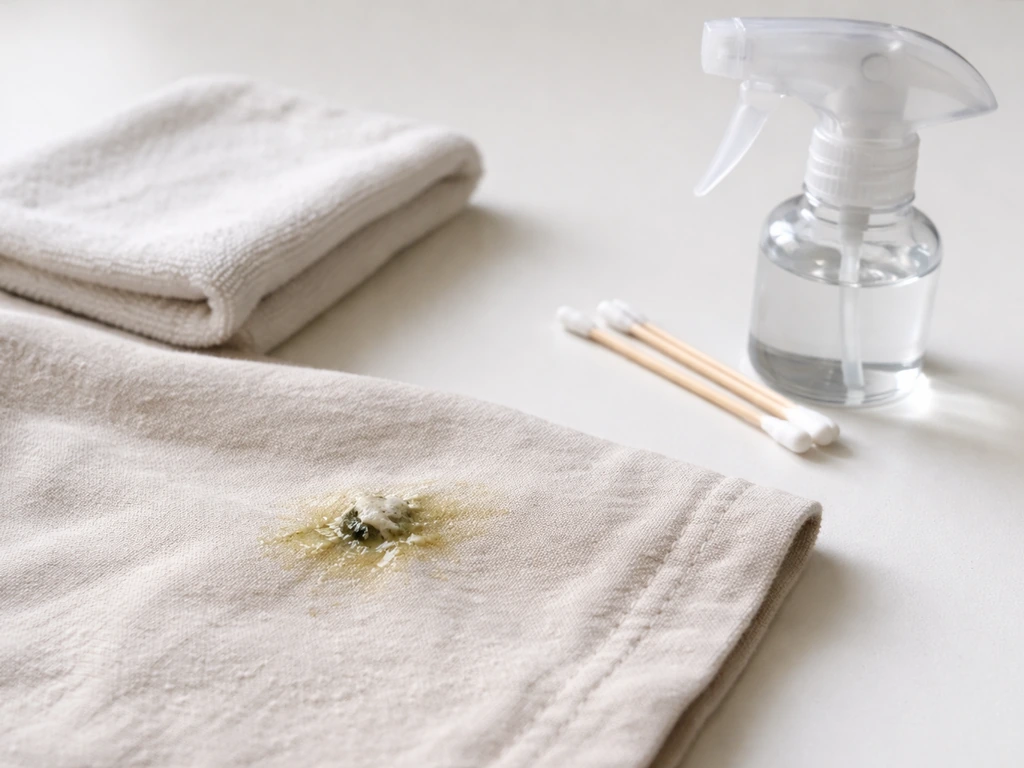
Yes, dry cleaning will remove bird poop from most fabrics, including the bulk of the dropping and any odor. What it may not fully fix is a set-in stain, especially on light-colored or delicate fabrics. The sooner you act, the better your odds of a complete result. If the droppings have already dried and sat for a while, a professional dry cleaner can still do a lot, but realistic expectations matter: some discoloration from uric acid can linger even after professional treatment, particularly if heat was applied to the garment before cleaning.
Will Dry Cleaning Remove Bird Poop? What to Do Now

Marcus Fielding
6 Jun 2026
What bird poop is actually made of (and why it stains)
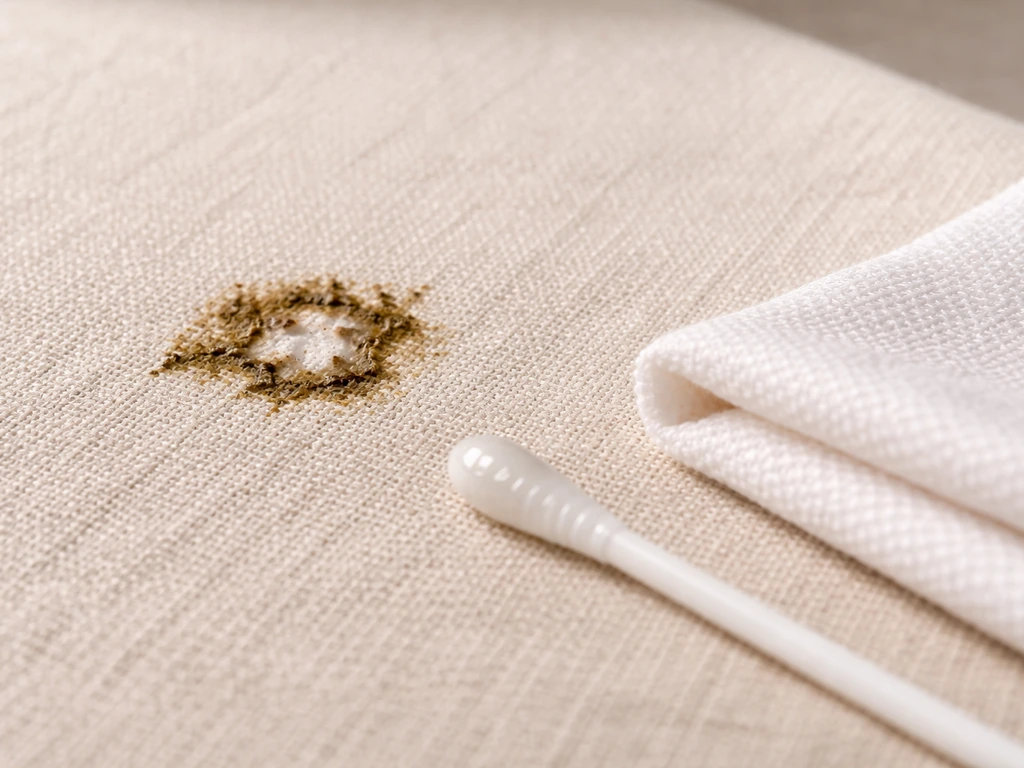
Bird droppings are a mix of three components: the dark fecal matter, a white or cream-colored paste of uric acid crystals (called urates), and a small amount of liquid urine. Unlike mammals, birds convert nitrogen waste into uric acid rather than urea, which produces that distinctive white 'whitewash' splat. Those uric acid crystals are the main troublemakers when it comes to fabric damage. Does bird poop attract flies? If it is left out, it can. Removing it promptly helps prevent insects from being drawn to the area fabric damage.
Uric acid bonds quickly to fabric fibers, especially when heat speeds the process up. Once it sets, it can cause permanent discoloration on pale or delicate textiles. The fecal portion can also carry pigments from whatever the bird was eating, which adds another layer of staining potential. This is why speed matters so much: a fresh dropping that you catch and handle correctly is a very different problem from one that has baked onto a cotton shirt in the afternoon sun.
How dry cleaning works and where it helps (or doesn't)
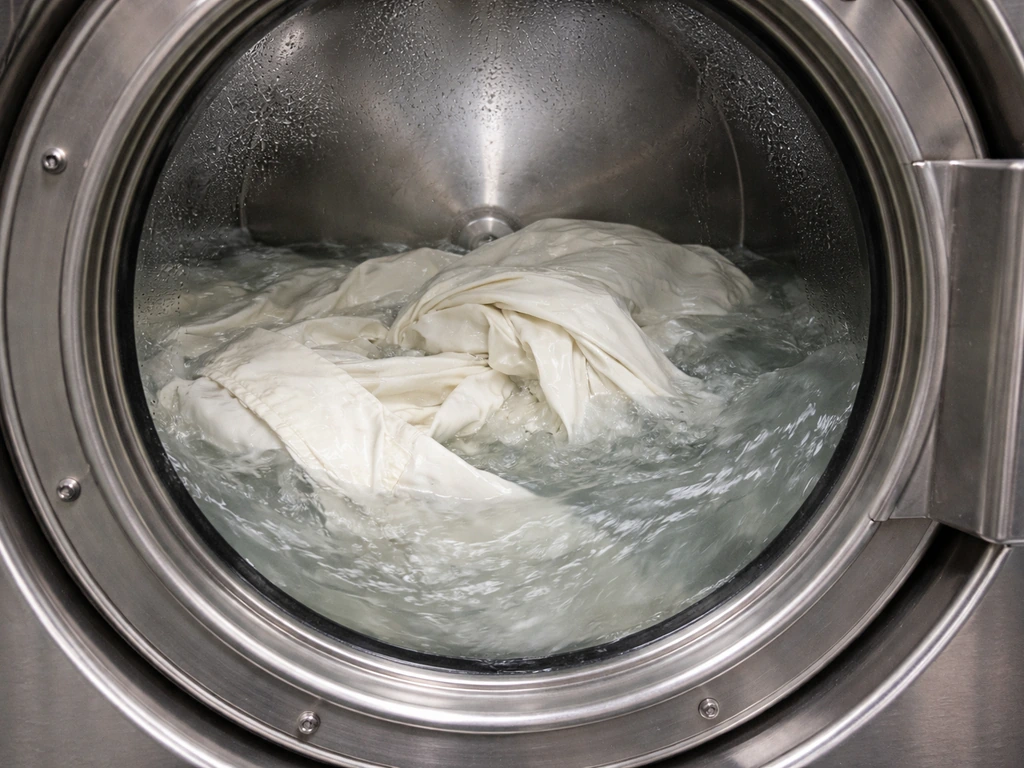
Dry cleaning does not use water. Instead, garments are agitated in a chemical solvent, typically perchloroethylene (perc) or a newer hydrocarbon or silicone-based alternative. That solvent bath lifts oils, grease, and loosely bonded soils very effectively. Before and after the machine cycle, a skilled cleaner will also apply targeted spotting treatments using specialized chemistry: acids, oxidizing agents like hydrogen peroxide, ammonia, and other solutions calibrated to specific stain types.
For bird droppings, this multi-step process is generally good at removing the physical bulk of dried matter and neutralizing odor. If you are dealing with a lingering smell, addressing the odor as soon as possible is key to stopping it from sticking around neutralizing odor. The solvent bath handles fat-based residues, and the spotting chemicals can break down some of the uric acid compounds. Where it struggles is with old, heat-set stains. The Drycleaning and Laundry Institute is straightforward about this: some staining can remain even after professional cleaning, and dry cleaners are not miracle workers if a stain has been cooked into the fiber.
There are also specific fabric types and finishes where dry cleaning results are limited. Suede and leather can be discolored or damaged by the spotting chemicals used on stains. Items with water-repellent coatings or specialty finishes may not respond well to aggressive solvent spotting. On these items, even a professional cleaner may only partially improve the appearance rather than fully restore it.
What to do before you drop it off (pre-treatment steps)
What you do in the first few minutes after discovering bird poop on clothing will determine how well dry cleaning works. The single most important rule: do not apply heat. Environmental Literacy Council advises cleaning bird droppings from clothes quickly with gentle scrape or blotting, avoiding heat, and repeating treatment if residue remains because deposits can set and become harder to remove avoid heat and repeat treatment if residue remains. Do not iron the garment, do not put it in a dryer, and do not leave it sitting in direct sun. Heat is what turns a manageable uric acid stain into a permanent one.
- Let the dropping dry slightly if it is very fresh and wet, then gently scrape off the bulk using a dull knife, spoon, or the edge of a credit card. Work from the outside in to avoid spreading it.
- Blot (do not scrub) any remaining residue with a clean, damp cloth. Scrubbing pushes the material deeper into the fibers.
- Keep the garment away from heat sources until you can get it to the cleaner.
- When you drop it off, point out the stain specifically and tell the cleaner it is bird droppings. Mention how old it is and whether any heat was applied. This lets them choose the right spotting agents upfront rather than discovering the stain mid-process.
- If the stain is heavy or the garment is white or light-colored, ask the cleaner explicitly whether they think a full removal is realistic. A good cleaner will give you an honest answer.
You do not need to pre-treat the garment at home before dry cleaning, and in some cases pre-treatment with the wrong product can actually complicate the cleaner's work. Stick to gentle physical removal and blotting, skip the home stain spray, and let the professionals handle the chemistry.
When to skip dry cleaning and DIY instead
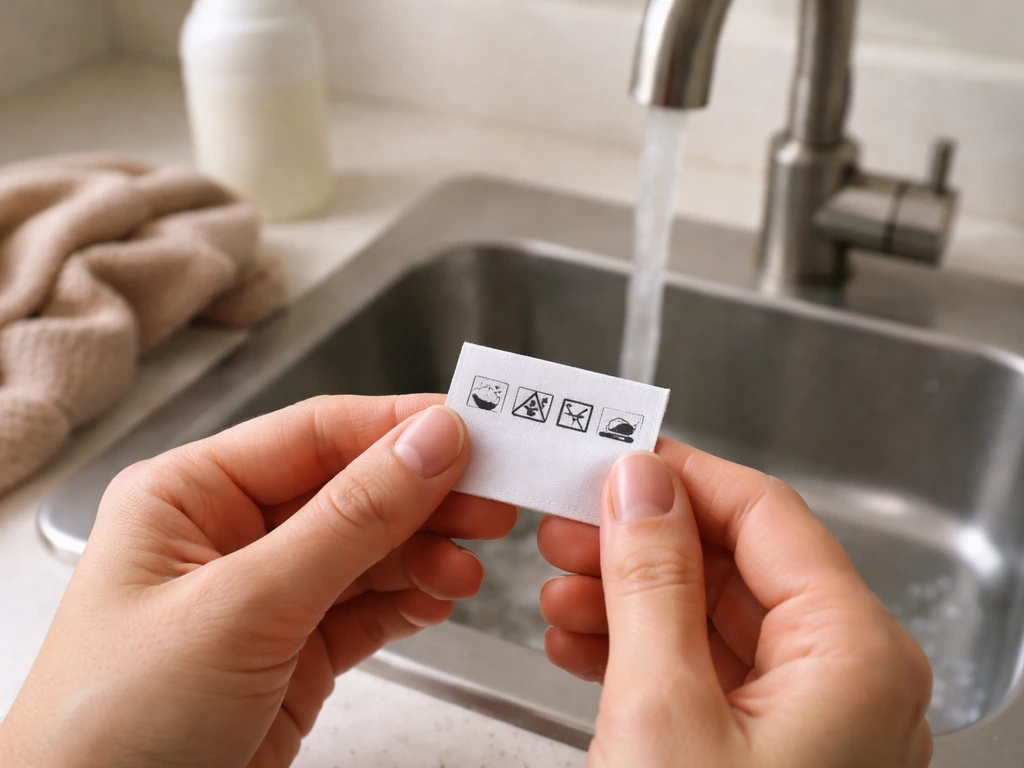
Not every item needs to go to the dry cleaner. If the garment's care label says it is machine or hand-washable, you will often get equally good (or better) results at home, and you can move faster, which works in your favor with uric acid stains. Bird poop does come out in a regular wash cycle for most cotton, polyester, and synthetic blends if the stain has not been heat-set. Cold water is key here too, for the same reason you avoid heat before dry cleaning.
| Item Type | Best Approach | Notes |
|---|---|---|
| Cotton or polyester clothing | Machine wash cold | Act fast, pre-soak in cold water if needed, skip the dryer until stain is gone |
| Wool, silk, or structured jackets | Dry cleaning | These fabrics need professional handling regardless of the stain |
| Suede or leather | Specialist cleaner | Standard dry cleaning solvents can damage these; find a suede/leather specialist |
| Coated or water-repellent outerwear | Dry cleaning with caution | Tell the cleaner about the coating; aggressive spotting can strip it |
| Delicate embroidered or beaded items | Dry cleaning | Hand-clean only the stained area if safe; professional handling reduces risk |
| Car upholstery or fabric seats | DIY cold water and enzyme cleaner | Blot and treat immediately; dry cleaners typically cannot accept upholstery |
The short rule: check the care label first. If the label says 'dry clean only,' respect that, especially for structured or delicate items. If the label allows washing, cold water and a gentle detergent are often perfectly adequate, and you can re-treat any residue before the garment goes anywhere near a dryer.
Health and safety steps when cleaning up bird droppings
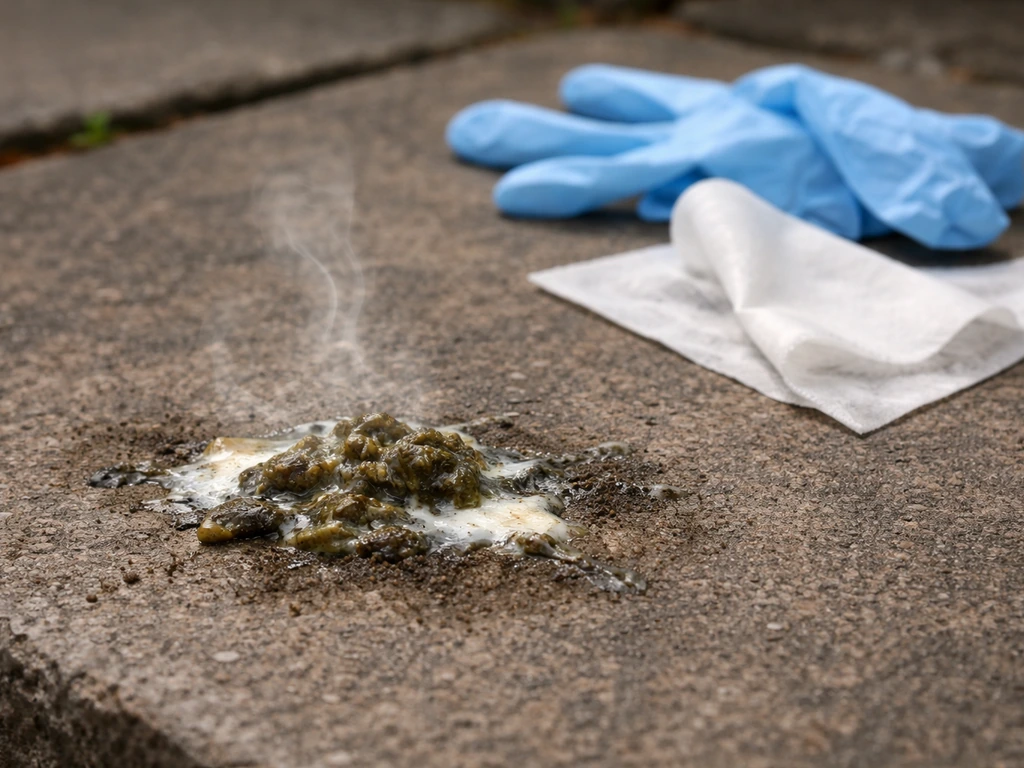
Bird droppings are not something to panic about for most healthy adults, but they do warrant basic hygiene precautions. If you’re wondering what bird poop smells like, many people describe a strong ammonia-like odor, especially when it’s fresh. Dried droppings can harbor fungi like Histoplasma capsulatum, the organism responsible for histoplasmosis, and handling them without care is the main risk vector. The biggest hazard comes not from touching fresh droppings but from disturbing dry ones and breathing in dust.
- Wear non-latex rubber or disposable gloves whenever you handle clothing or surfaces with bird droppings on them.
- Do not scrub or vigorously shake the garment before putting it in a bag, as this can aerosolize dry particles.
- If cleaning a larger area (like a balcony or car roof), lightly mist the droppings with water or a soapy water solution before removing them. Keeping material damp stops it from becoming airborne dust.
- Work in a ventilated area, or outdoors when possible.
- After handling, remove gloves carefully, dispose of them, and wash your hands thoroughly with soap and water for at least 15 seconds.
- Wash any clothing that had contact with droppings separately from other laundry.
These precautions are sensible rather than alarming. Most casual encounters with bird droppings on clothing carry very low risk if you clean up promptly and wash your hands. The concern rises with accumulated, dried droppings in enclosed or poorly ventilated spaces, which is a different situation from a single dropping on your jacket. If the droppings are stuck to fabric and left in an enclosed area, the odor can build up and make your house smell like bird poop enclosed or poorly ventilated spaces. For everyday incidents, basic hygiene handles the health side completely. Bird poop odor can linger, and knowing what it smells like helps you recognize the stain early.
How to reduce your chances of a repeat incident
The most reliable protection for clothing is simply not hanging it near birds or leaving it outdoors under trees or wires. For car owners, a fitted car cover eliminates virtually all bird dropping damage when the car is parked for extended periods. If a cover is not practical, parking away from trees, ledges, and overhead wires where birds roost reduces your exposure significantly.
If you have outdoor seating or a balcony where birds regularly visit, reflective deterrents like flash tape or decoy predator shapes can discourage roosting without harming birds. For those with pet birds, a dedicated 'bird handling' top layer (an old shirt or apron) makes the cleanup situation much more manageable. On the car, keeping a bottle of quick-detailer spray and microfiber cloths in the glove compartment means you can address droppings within minutes of noticing them, before the uric acid has time to etch into paint or fabric.
Speed and cold water are your best tools at the moment of impact, and a good dry cleaner is your best resource for anything that needs professional handling. For washable fabrics, the process is simpler than most people think: act fast, stay cool (literally), and keep the garment away from heat until the stain is fully gone.
FAQ
Can I put the garment in the freezer to “pause” the stain before dry cleaning?
Yes, briefly chilling can help slow uric acid setting, but do it as an emergency step, not a full treatment. Place the item in a sealed bag, avoid crushing the fabric, and still take it to the cleaner soon after. Do not try to freeze solid residues onto delicate fabrics, as mechanical damage can happen when you remove them.
What if the bird poop is already on the clothes and has been through heat, like a dryer or hot car?
If the stain has been heat-set, dry cleaning can often remove odor and some discoloration, but permanent yellowing on pale fabrics becomes more likely. Tell the dry cleaner exactly what happened (dryer, iron, or hot sun) so they can choose more targeted uric-acid-focused spotting and manage expectations.
Should I scrape or rub the dried bird droppings off myself before dry cleaning?
Gently remove surface material first, then blot. Avoid vigorous rubbing, which can grind urates deeper into the fibers. Use a soft brush or the edge of a dull card, then transfer to the cleaner promptly so loose residue does not get smeared.
Is it a bad idea to try home stain remover sprays before sending it to a dry cleaner?
It can be. Some sprays contain ingredients that react poorly with certain fabric finishes or that leave residues the cleaner must work around. If you already used a product, tell the cleaner what it was and when you applied it, and avoid repeatedly reapplying multiple products.
Does dry cleaning work equally well on all fabric colors, especially white and light clothing?
It works best on fresh droppings, but light colors are more vulnerable to lingering discoloration because uric acid crystals can leave a permanent tint. For whites, ask the cleaner whether they can prioritize brightening steps after spotting, and note that older, heat-exposed spots may not fully return to original shade.
Can dry cleaning remove the “whitewash” look from bird poop on polyester or synthetic blends?
Often yes for the physical residue and smell, especially when you act quickly. However, urates can still etch, so if the white paste has dried for a while or was warmed by sunlight or friction, you may see a faint stain even after a professional clean.
What should I tell the dry cleaner when I drop off the item?
Mention how long it has been there, whether it dried naturally or was exposed to heat (dryer, iron, hot car), and whether the fabric is suede/leather or has a water-repellent coating. Also point out any visible odor, because odor that has had time to absorb may require different post-spotting steps.
Will dry cleaning damage suede, leather, or items with special coatings?
It can. Dry cleaner spotting chemistry may cause discoloration or surface changes on suede and leather, and aggressive solvent spotting can struggle with water-repellent finishes. Ask the shop to confirm the risk before they proceed, and if possible, request a more conservative approach.
If the odor remains after dry cleaning, what is the next best step?
First, re-check that the droppings were fully removed, then avoid repeating heat exposure. For washable items, a cold gentle wash after blotting can help if the care label allows it. For dry-clean-only items, ask the cleaner about odor-specific re-treatment (not just another overall clean) since trapped urates can keep ammonia-like smell lingering.
Should I cover bird poop on fabric with a wet cloth immediately?
Blotting is safer than soaking. Lightly blot to lift moisture and loosen surface material, but do not saturate the area, because spreading moisture can make the stain wick or migrate. After blotting, keep the item cool and take it to cleaning promptly.
Is it ever better to wash at home instead of dry cleaning?
Yes, if the care label allows washing and the stain has not been heat-set. Cold water and a gentle detergent often give very good results, and quicker handling improves outcomes with uric-acid stains. If the item is structured (like some blazers) or labeled dry clean only, stick with professional cleaning.
How can I reduce repeat incidents on clothing or couches without changing my cleaning routine?
Use simple barriers and storage habits. For frequent outdoor birds, consider a dedicated “handling layer” (an old shirt or apron) when cleaning, and keep quick microfiber and a suitable cold-water blotting method ready. For vehicles, a fitted cover is one of the most effective prevention steps mentioned in practice.