Bird poop usually smells mild to mildly unpleasant, somewhere between faintly ammonia-like and a vague sour or earthy odor. Most people who step outside and find a splatter on their car barely notice a smell at all, especially once it dries. But depending on the bird's diet, how fresh the dropping is, and how much has accumulated, it can range from almost nothing to a sharp, eye-watering stench that genuinely deserves concern.
What Does Bird Poop Smell Like Reddit Answers and Cleanup

Marcus Fielding
9 Jun 2026
What bird droppings actually smell like (real descriptions)
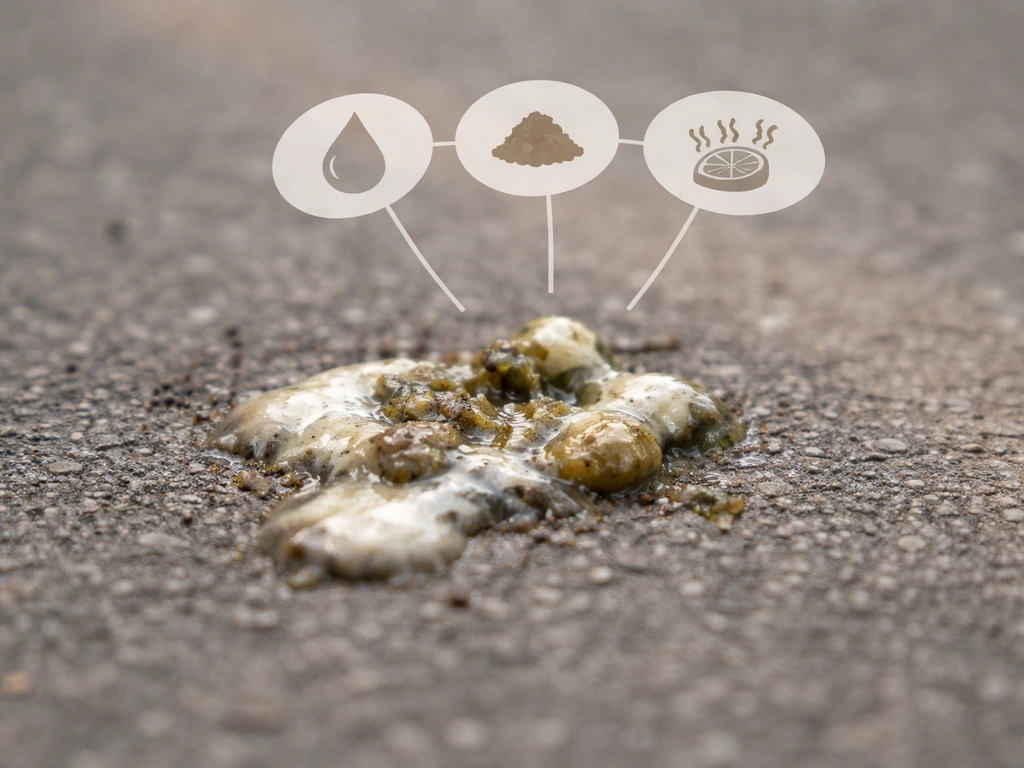
The smell varies more than most people expect. Wild birds eating seeds and berries tend to produce droppings with a mild, slightly earthy or sour scent. Larger birds eating fish or meat produce something noticeably fishier and more pungent. Pet parrots are a whole other story: Reddit threads in r/parrots describe the smell as faintly "pee-like" or similar to rabbit pellets, usually not offensive unless it's a large morning dropping or the cage hasn't been cleaned in a while.
The ammonia note is the most commonly reported one, and it makes chemical sense. Bird droppings contain uric acid (the white or creamy part you see) rather than urea like mammal urine, but as the material breaks down, ammonia-related volatile compounds are released. Ammonia has a detectable odor at concentrations as low as 5 parts per million, well below levels that cause harm, so your nose picks it up long before it becomes a health issue. Wet or fresh droppings tend to smell more sour or vomit-like (conure owners on Reddit note exactly this). Once dry, the smell fades considerably, though a musty or slightly cheesy note can linger in enclosed spaces.
Large accumulations are a completely different situation. Pigeon roosts under bridges, starling congregations in attics, or any spot where droppings have built up over months can produce a heavy, sharp, ammonia-chemical smell that is genuinely unpleasant and signals a real ventilation and health concern. A single dropping on your windshield? Barely anything. A colony's worth piled in a corner of your balcony? You'll know it.
| Bird / Scenario | Typical Smell Description | Intensity |
|---|---|---|
| Pet parrot (fresh, small dropping) | Mild, faintly urine-like or earthy | Low |
| Pet conure (fresh, larger dropping) | Sour, faintly vomit-like | Low to moderate |
| Wild songbird on car/furniture | Very faint, slightly sour | Very low |
| Seagull or fish-eating bird | Fishy, sharp | Moderate |
| Large accumulation (pigeons, starlings) | Strong ammonia, chemical, rotten | High |
| Wet/recently cleaned bird (cage area) | Cheesy or parmesan-like notes | Low to moderate |
The "taste" question: what people actually mean
Nobody is intentionally tasting bird droppings, but the question comes up because it happens accidentally. You touch a contaminated surface, then touch your mouth. A splatter hits near your face. A child puts a hand down on a park bench. In those moments, people describe a faint metallic, sour, or bitter sensation, not a distinct flavor, more of a wrong-taste-in-your-mouth feeling. There's no single "bird poop flavor" because the chemical makeup varies by bird and diet, but the uric acid content and bacterial load are what register as off-tasting.
It's also worth noting that smelling something doesn't mean you're ingesting it in any meaningful quantity. One Reddit biology commenter put it well: smelling feces means you're detecting volatile compounds released during decomposition, you're not eating it through your nose. The ammonia you smell from bird droppings is a real molecule entering your nasal passages, but at the concentrations involved in casual outdoor exposure, it's your body's early warning system doing exactly what it's supposed to do, not a dose that causes harm.
Is it actually dangerous to smell bird poop?
For a typical one-off encounter outdoors, walking past a dropping, getting splattered by a seagull, finding one on your car, smelling it is not dangerous. The ammonia concentrations in a single fresh dropping are nowhere near harmful levels, and fresh outdoor air disperses volatile compounds almost immediately. In a house, the same smell can feel stronger when droppings are trapped in a specific spot and the airflow is limited smelling bird poop in the house. The risk goes up in two specific situations: enclosed spaces with poor ventilation where droppings have accumulated, and activities that disturb dried droppings and send material into the air.
Skin contact with a single dropping also poses minimal risk for healthy adults. The concern isn't really from the dropping sitting on your skin for a moment, it's from hand-to-mouth or hand-to-eye transfer afterward. That's the route that matters. So the smell itself is almost never the problem. What you do with your hands after touching a contaminated surface is.
Real health risks worth knowing about
The health risks from bird droppings are real but often overstated for casual exposures. Here are the ones that actually matter: Because bird droppings can attract flies when they contain fresh, decomposing waste, keeping surfaces clean helps reduce fly activity bird droppings attract flies.
- Histoplasmosis: A fungal infection caused by Histoplasma, which grows in soil enriched by bird or bat droppings. The risk comes from inhaling spores kicked up when you disturb dry, contaminated material — think shoveling, sweeping dry droppings, or doing construction near a roost. The CDC specifically warns about activities that stir up dust in areas with large accumulations. A single dropping on your patio isn't a concern; cleaning out an old attic full of pigeon droppings without a mask is.
- Psittacosis (parrot fever): Caused by Chlamydia psittaci bacteria, most commonly found in parrots, parakeets, cockatiels, and similar birds. Transmission happens when dried infected feces or respiratory secretions are aerosolized and inhaled. Pet bird owners with sick birds are at higher risk. The CDC recommends wetting surfaces before cleaning bird cages precisely to prevent this aerosolization.
- Avian influenza: Relevant primarily for people who handle live birds or are in areas with confirmed outbreaks. The CDC advises avoiding contact with surfaces contaminated by feces from suspected or confirmed infected birds. For typical urban pigeon or songbird encounters, this risk is very low.
- Cryptococcus: A fungal organism associated with pigeon droppings. The CDC notes there's no evidence of direct bird-to-human transmission, and healthy immune systems handle exposure well. Immunocompromised individuals should take extra precautions around large accumulations.
- General bacterial exposure: Any fecal matter carries bacteria, and hand-to-mouth contact is the main transfer route. Thorough handwashing with soap and running water after any contact with droppings or contaminated surfaces handles this.
The common thread across all of these is that risk scales with accumulation and disturbance. A single dropping you wipe off your car is not the same situation as cleaning out a roosting site. If you're doing the latter, an N95 mask, gloves, and protective clothing are genuinely warranted, the CDC and NIOSH both include these in their guidance for working in areas with bird or bat droppings.
How to clean and deodorize bird droppings the right way
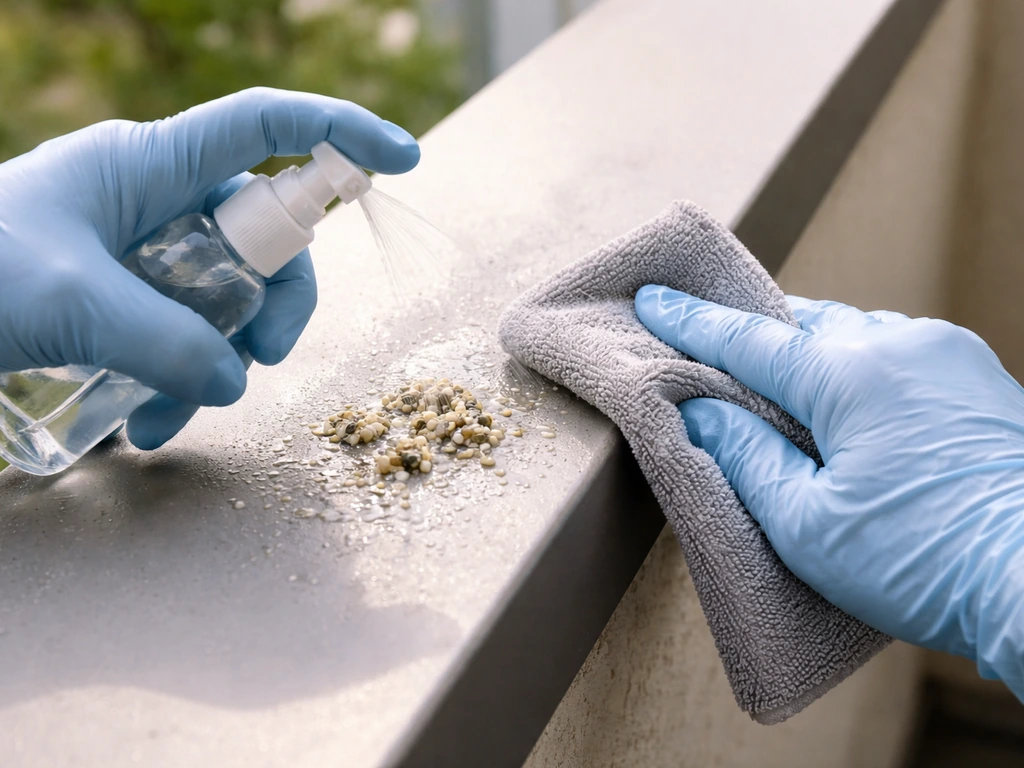
The golden rule: never dry-sweep or vacuum
The most important cleanup principle from the CDC is to wet the material before you move it. Dry cleaning is not a safe substitute for wet cleanup of bird droppings, since you should avoid spreading contaminated material or aerosolizing residue. Sweeping or vacuuming dry droppings sends fungal spores and bacteria into the air, which is exactly how most infection occurs. Mist or soak the area with water or a disinfectant solution first, then wipe or mop it away. This applies to any surface, cage floors, balconies, car paint, outdoor furniture.
Car paint and smooth outdoor surfaces
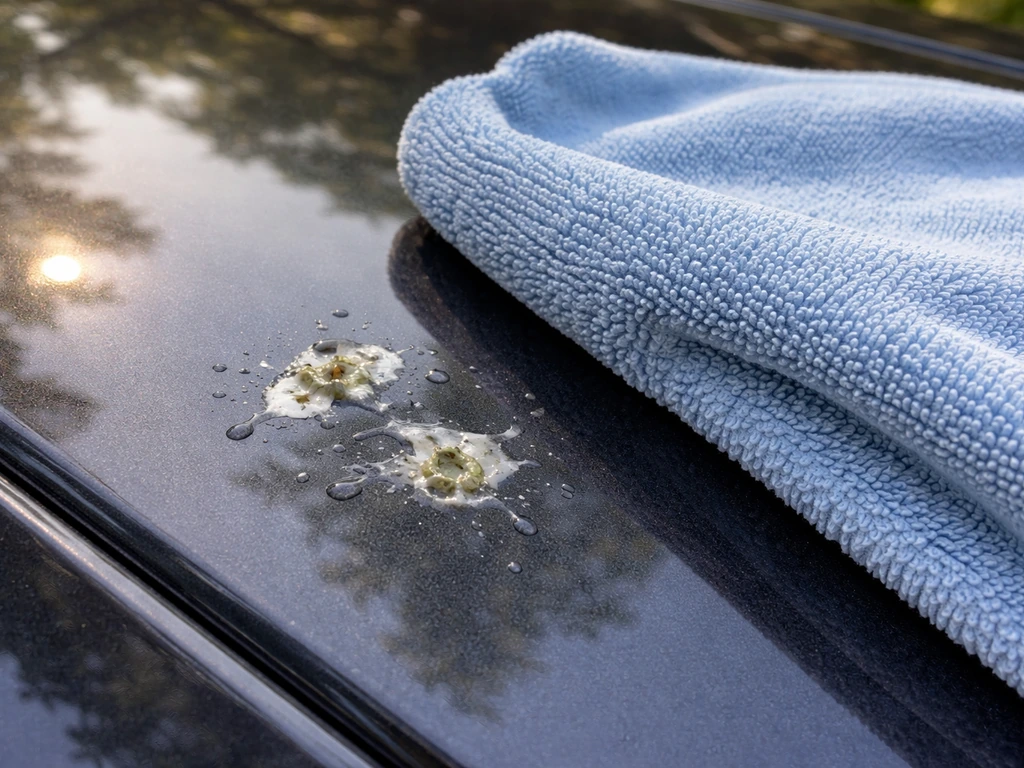
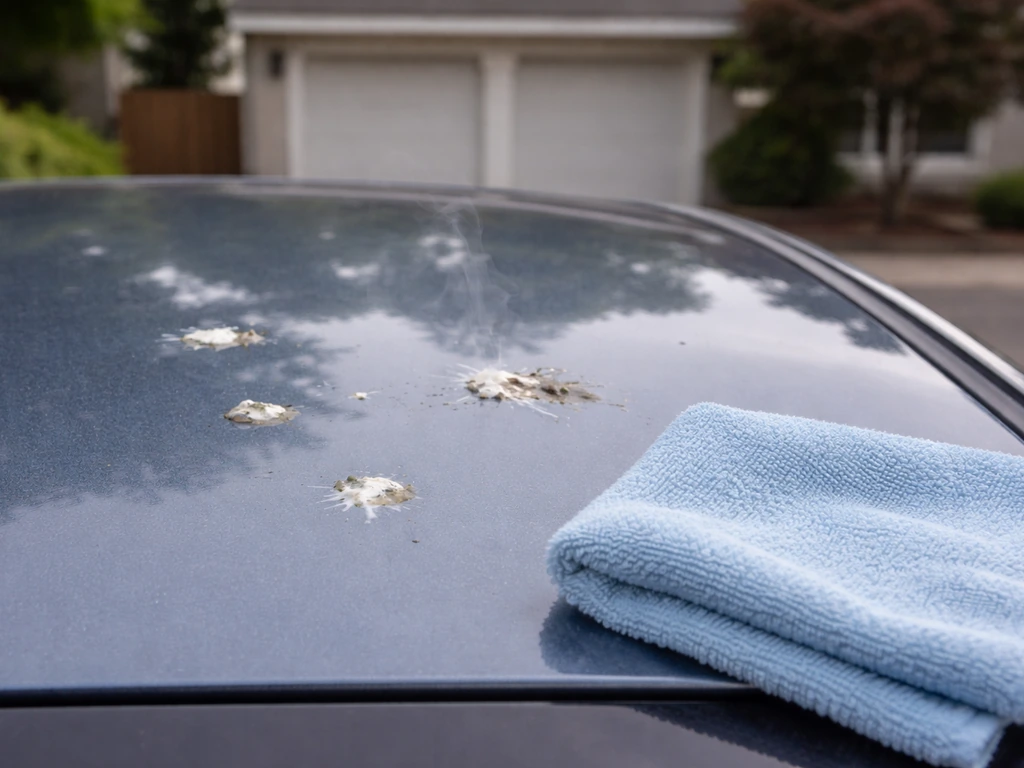
On car paint, speed matters for a different reason: the uric acid in bird droppings etches clear coat and paint if left to bake in the sun. Wet the dropping with plain water first (this also follows the safety principle), let it soften for 30 seconds to a minute, then wipe gently with a microfiber cloth. Don't scrub, the dried material can scratch. For stubborn residue, a dilute soapy water solution or a dedicated car detailing spray works well. Finish by rinsing the area. On outdoor furniture and concrete, a disinfectant spray followed by wiping or hosing down handles both cleanup and odor.
Clothing
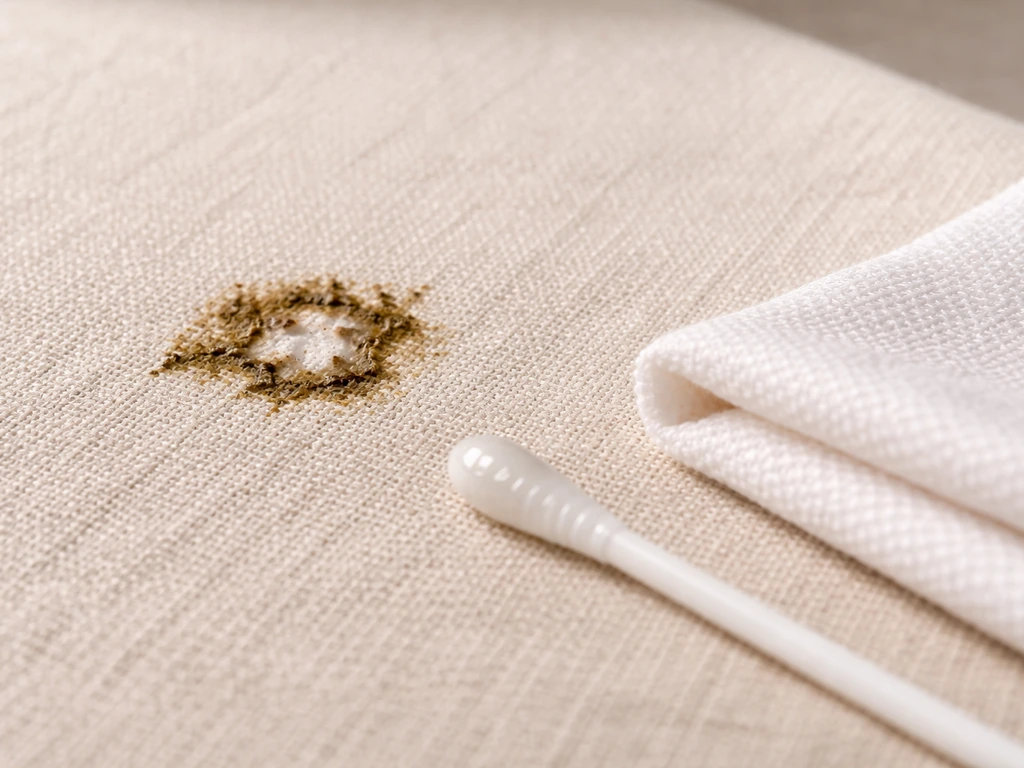
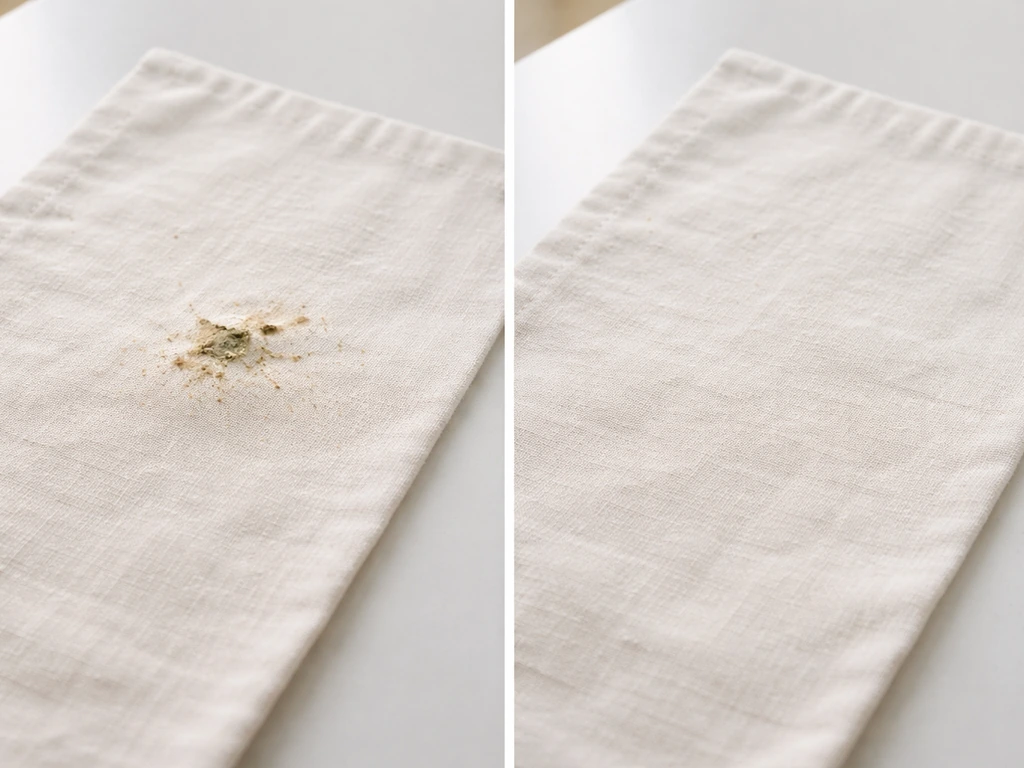
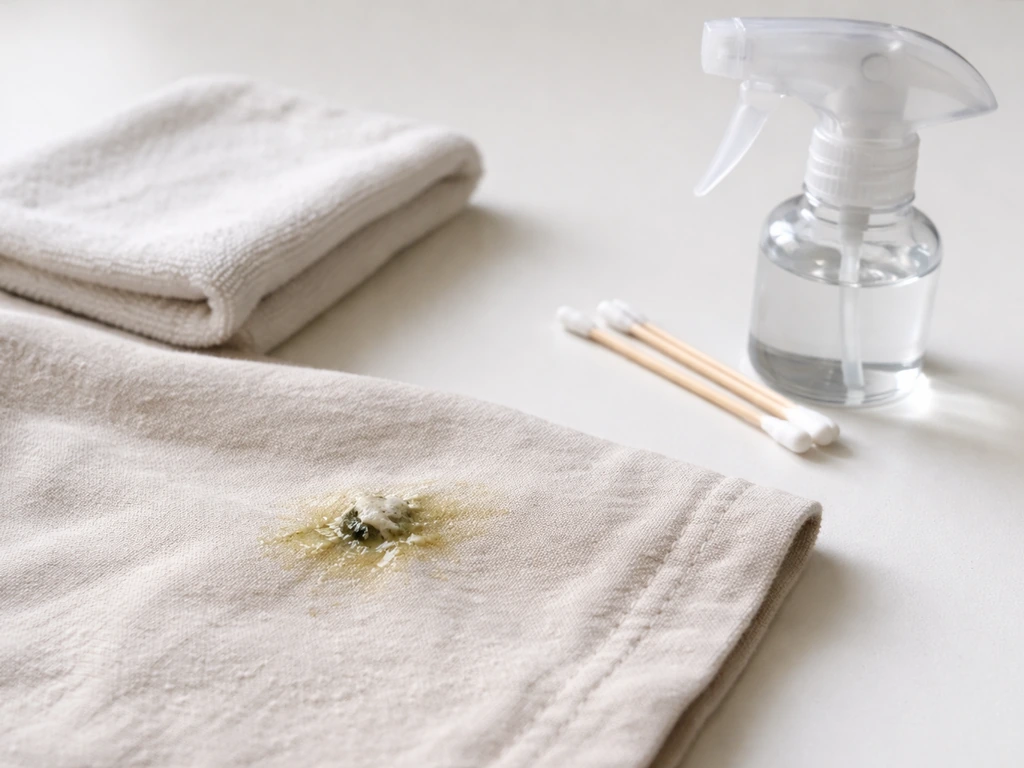
Let it dry before attempting to remove it from fabric, scraping wet dropping usually just pushes it deeper into the fibers. Once dry, scrape off the bulk gently, then pre-treat with a laundry stain remover or a small amount of dish soap before washing. Most bird droppings come out of clothing with a normal warm wash cycle. For delicate fabrics, cold water and gentle treatment is safer; if the item says dry clean only, take it to a professional rather than experimenting. Dry cleaning may not reliably remove the odor-causing components from bird droppings on clothing, so you may still need to spot-treat the stain and ventilate the item first.
Pet bird cages and indoor areas
The CDC is specific here: wet cage surfaces with water or a pet-safe disinfectant before wiping, don't pick up droppings with bare hands, and wash your hands thoroughly with soap and running water after any cage cleaning. For odor control in pet bird areas, good ventilation and frequent cleaning (rather than any spray or deodorizer) are the most effective approaches. Avoid anything with strong fumes around birds since their respiratory systems are highly sensitive.
Large accumulations (balconies, attics, ledges)
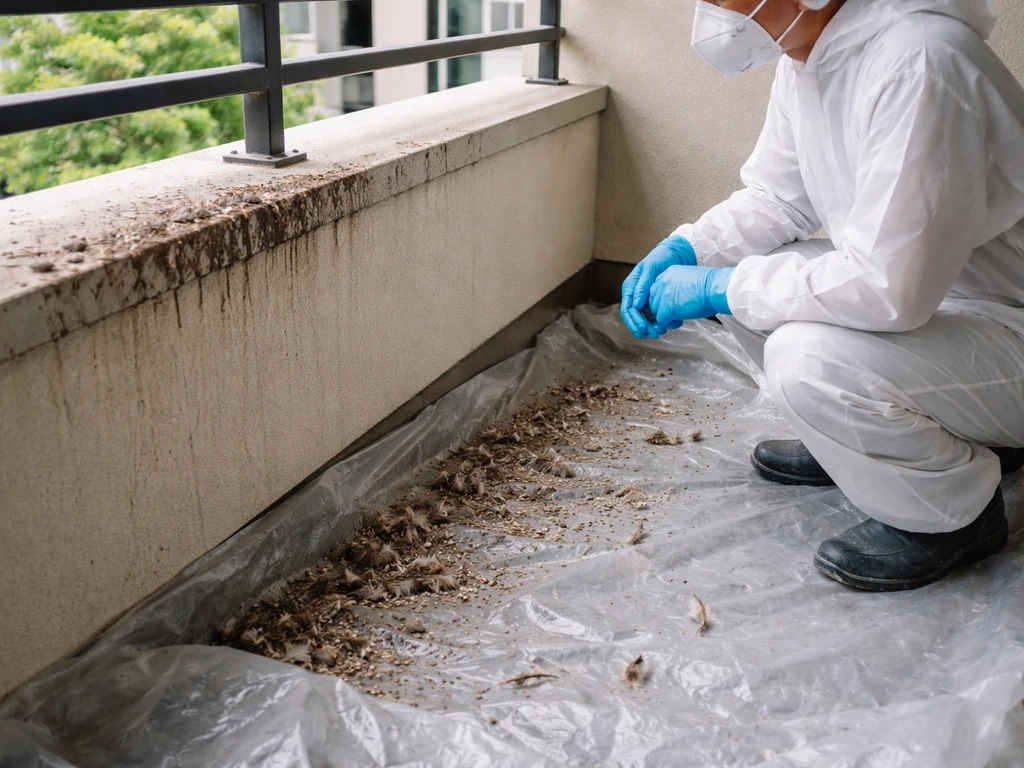
If you're dealing with a significant buildup, treat it like a proper cleaning job rather than a quick wipe. Wear an N95 respirator, disposable gloves, and clothes you can wash separately afterward. Soak the area thoroughly with a disinfectant solution, allow contact time per the product instructions, then remove the material and bag it. Wet mop the surface afterward. Ventilate the area well during and after. If the accumulation is very large (think old roosting sites in a building), professional remediation is worth considering.
When to actually worry: symptoms and when to call a doctor
Most people who have brief contact with bird droppings, even including some accidental hand-to-mouth contact, won't develop any illness. But there are symptoms worth paying attention to in the days following a more significant exposure, especially if you disturbed a large accumulation without proper protection.
- Flu-like symptoms (fever, chills, muscle aches, fatigue) appearing 3 to 17 days after significant inhalation exposure — this is the typical window for both histoplasmosis and psittacosis
- Chest tightness, shortness of breath, or a dry cough developing after cleaning a heavily contaminated area
- Headache, dry cough, and high fever specifically after contact with pet birds — these are classic psittacosis symptoms
- Eye irritation or redness that develops after contact with droppings and touching your face
- Gastrointestinal symptoms (nausea, stomach cramps) after suspected ingestion, even minor hand-to-mouth contact
- Any symptom that feels unusual after a known exposure event, especially if you're immunocompromised, elderly, pregnant, or have a respiratory condition
If you develop respiratory symptoms after cleaning a large accumulation, tell your doctor specifically about the bird dropping exposure, it changes what they look for. Histoplasmosis and psittacosis are both treatable with the right medication, but they're easy to misdiagnose as a regular flu or pneumonia if the exposure history isn't mentioned. For a single splatter on your skin that you washed off, or a brief whiff of odor walking past a dropping, monitoring yourself for symptoms is probably all that's warranted. Use common sense: the larger and more enclosed the exposure, the more closely you should watch for symptoms and the lower your threshold should be for calling a doctor.
FAQ
Why do some Reddit posts say bird poop smell is “ammonia” while others say it’s sour or fishy?
It usually comes down to freshness and the bird’s diet. Uric acid breaks down into ammonia-related volatiles, so fresh and wet droppings often read as ammonia-like. Seed and berry eaters tend to smell more earthy or sour, while birds that consume fish or meat can smell more distinctly fishy.
Is the smell worse after it’s rained, even if the droppings look dry?
Often yes. Rain can wet partially dried residue and release more odor compounds without you realizing it, especially in spots like ledges, carports, and balcony corners. If you notice a sudden odor increase after wet weather, treat it like a fresh odor source and clean promptly.
Can a strong bird poop smell inside a house mean it’s unsafe even if no one gets sick?
A strong odor usually indicates more accumulation in an enclosed or poorly ventilated area, which can increase exposure when you disturb it. The smell itself is not the only risk, but if it persists, you should locate the source, improve ventilation, and clean using wet methods rather than trying to mask it.
How do I tell if I should worry about an infection versus just being grossed out by the odor?
Think in terms of exposure type. Odor from a single outdoor splatter is generally low-risk. Higher concern is more likely after disturbing large, dried accumulations (attics, roosting ledges, heavily soiled cages), especially if you didn’t use an N95 and you got material into the air.
What’s the safest way to clean droppings on a balcony or concrete if I have to use a hose?
Wet first, then remove. Mist or soak the area before any scraping, then rinse or hose while keeping runoff controlled. Afterward, wipe high-touch surfaces and wash hands. Avoid dry wiping or brooming, even if it seems like “light cleanup,” because dryness increases airborne particles.
If I got bird poop on my car, should I wax or polish after cleaning to fix the smell and residue?
Wait until the surface is fully cleaned and dry, and don’t polish or wax immediately after removal. If the dropping sat long enough to etch the clear coat, polishing may worsen visible damage. For persistent odor, re-wet and wipe again rather than using fragranced products that can trap residue.
Can I use bleach or strong disinfectant on everything, like car paint, cage bars, and outdoor furniture?
Not always. Highly concentrated bleach and some harsh cleaners can discolor fabrics, damage certain finishes, or create fumes that are risky around birds. For pet areas, stick to pet-safe disinfectants and follow label contact time. On car paint, use gentle water first, then mild soapy solutions, and avoid aggressive solvents.
Does wearing a mask matter if I’m only wiping one small spot?
For a single small outdoor splatter that you dampen first, the risk is usually minimal and gloves and careful hand-to-mouth prevention are the priorities. Masks become more important when there’s buildup, dried material, or any step that can aerosolize particles, like scraping, dry wiping, or vacuuming.
What should I do if bird droppings are on clothing, but the item can’t be machine washed?
Scrape the softened residue after pre-wetting, then spot-treat with a laundry stain remover and rinse lightly. For items labeled dry clean only, avoid experimenting with heavy cleaners at home; take it to a professional and ventilate the item in a safe area while it airs out before cleaning.
After cleaning a cage, how long should I ventilate the room before putting the bird back?
Ventilate until odors and fumes are gone, and only return the bird once the surface is dry and the disinfectant has been fully addressed per the product’s instructions. If you used any cleaner with strong fumes, wait longer and consider switching to a pet-safe option for future cleanings.