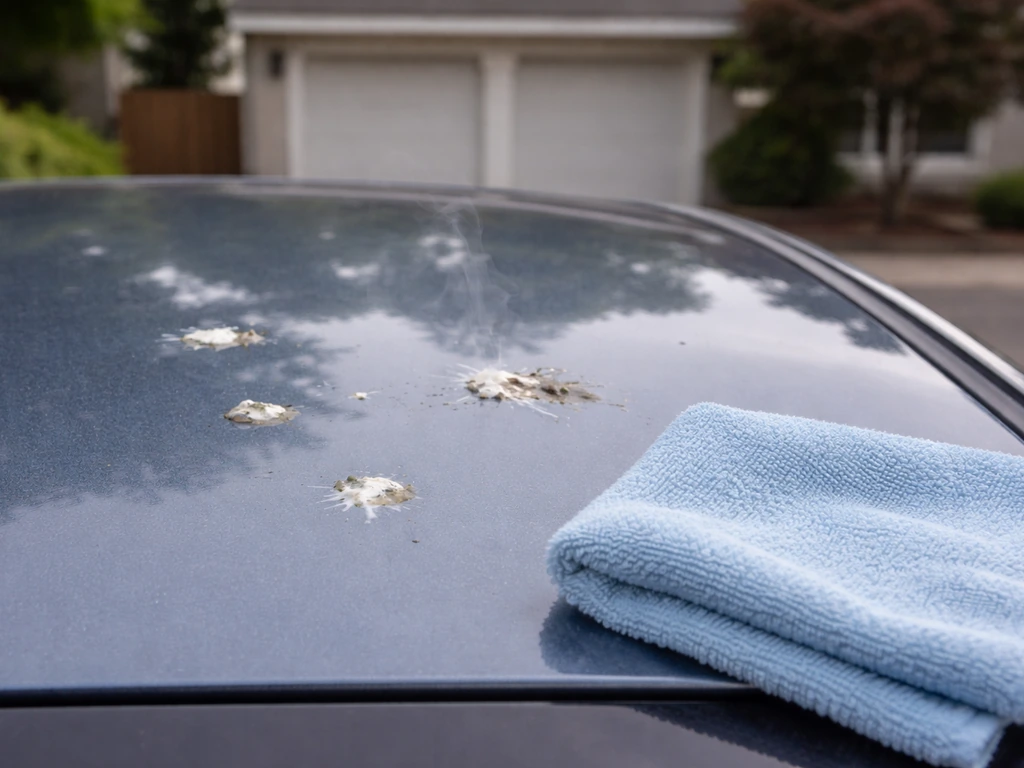
Bird poop in the house smells like a sharp mix of ammonia and sour, stale urine, sometimes with a faint sulfur edge depending on what the birds have been eating. If you want the quick answer, bird poop smell is often sharp and ammonia-like, especially as droppings age indoors what does bird poop smell like. Fresh droppings have a mild but noticeably unpleasant odor. Old, dried, or accumulated droppings kick that up significantly: the ammonia becomes eye-watering, and in enclosed spaces like attics or behind vents, the smell can permeate an entire room or hallway. If you're catching a strong, persistent ammonia-like or foul waste smell somewhere in your home and can't find an obvious source, bird droppings are a very common culprit. If you're searching “what does bird poop smell like” (including the “reddit” style answers), the ammonia-like smell described here is a common theme what does bird poop smell like reddit.
What Bird Poop Smells Like in the House and How to Clean It

How bird poop actually smells indoors
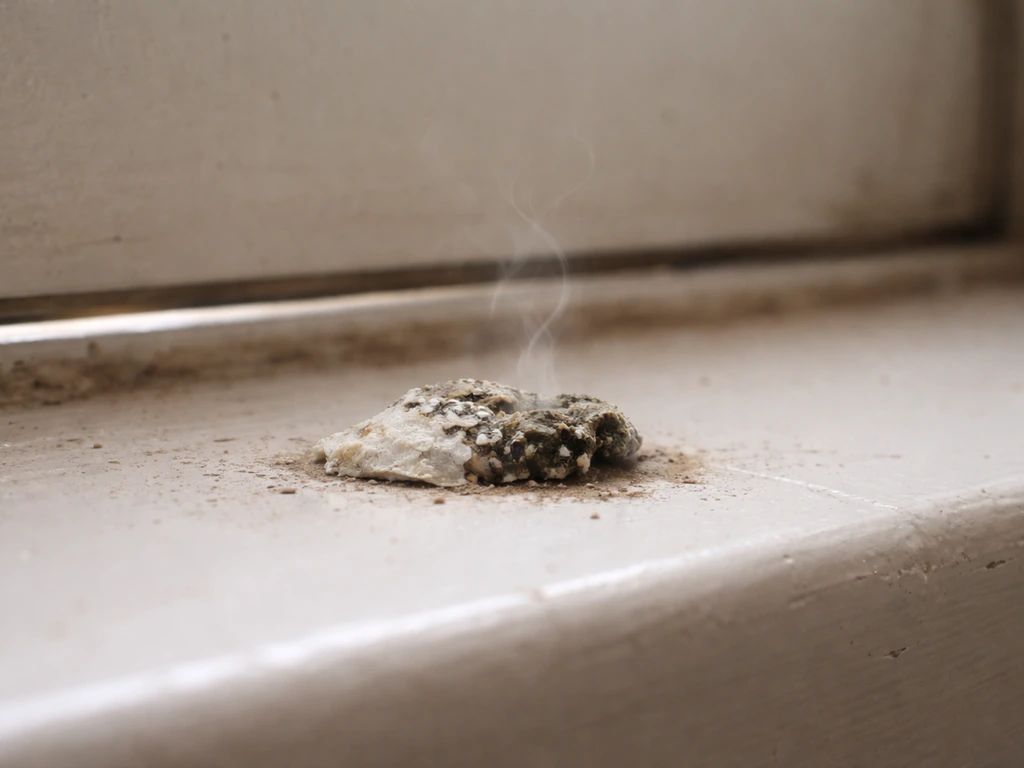
The ammonia smell comes from uric acid breaking down over time. Birds excrete both solid waste and urine together in one dropping, and as that material dries and ages, uric acid oxidizes into ammonia compounds. That's the sharp, stinging smell you associate with dirty public restrooms or neglected litter boxes. If the droppings are fresh, the smell is more of a damp, sour waste odor, still unpleasant, but not overwhelming. Give it a few days in a warm, poorly ventilated space, and you'll notice a much more aggressive ammonia character.
The bird's diet also matters. Fruit-eating birds produce softer, darker, more pungent droppings that can smell sweeter-sour, almost fermented. Seed-eating birds tend to produce firmer, white-capped droppings with a more straightforwardly ammonia-urine smell. Either way, indoors and in quantity, the odor is hard to ignore. There's a reason pigeon roosts in old buildings get described as 'overwhelming' by anyone who's had to deal with them.
Where the smell is likely coming from
The tricky part about bird poop smell inside a house is that the source is rarely where you first notice the odor. Here are the most common culprits, roughly in order of likelihood:
- Attic or roof space: Birds — especially pigeons, starlings, and sparrows — love to roost or nest in attics. A buildup of droppings in a warm attic will absolutely seep smell into your living spaces through gaps, recessed lights, or ceiling fixtures.
- HVAC vents and air handling systems: This is the sneaky one. Bird droppings near or inside ductwork, air intakes, or vents can spread odor throughout the whole house every time your system runs. The CDC has flagged that contaminated air-handling systems are a real concern when bird roosts are nearby.
- Chimney or fireplace: Birds sometimes nest in chimneys, especially swifts and starlings. Droppings fall and accumulate on ledges or at the base, and the chimney effectively pipes the smell straight into your living room.
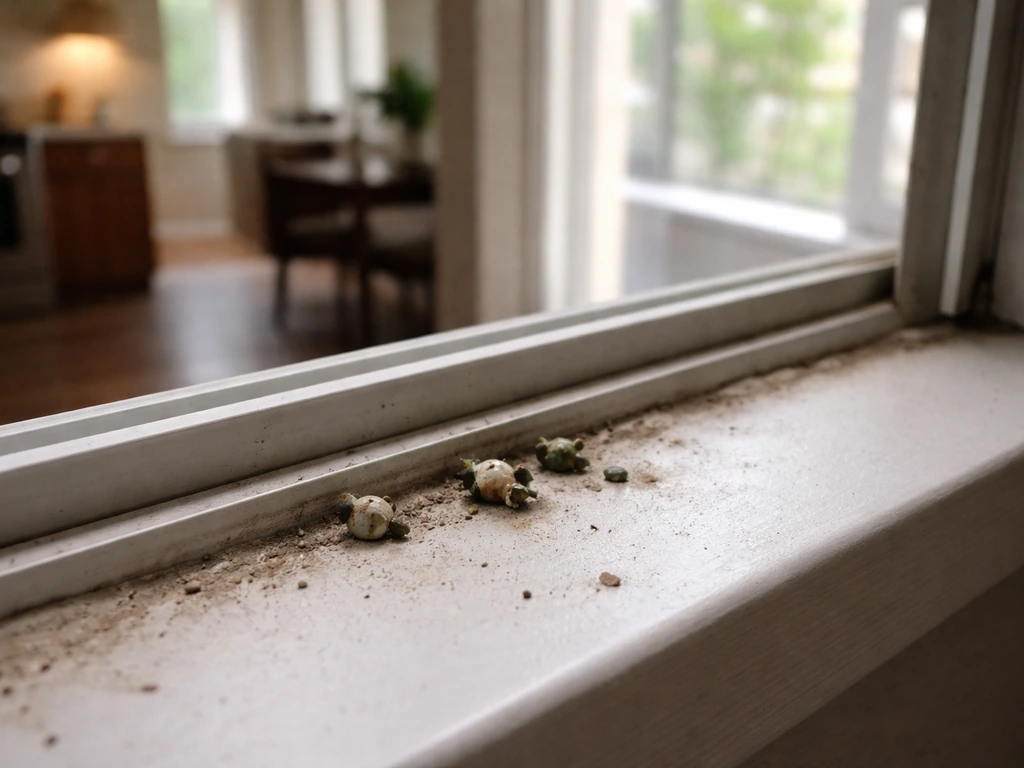
- Balcony, deck, or exterior window ledge: If you have a balcony or window area with heavy bird activity, dried droppings can cake up and the smell drifts indoors every time a window is open or during warm weather.
- Wall cavities or gaps: Birds occasionally get trapped or nest inside wall voids. This can smell horrific, especially if a bird has died in there — though at that point it's a distinct rotting smell rather than just ammonia.
- A pet bird's cage indoors: If you keep a pet bird, a neglected cage with a buildup of droppings is one of the most common sources of that ammonia smell in a home. Even a single parrot can produce a meaningful amount of waste.
Walk your home systematically. Check the attic if you have one, use a flashlight and look for white-gray streaking on joists or the floor. Pull the grille off any HVAC vents near the roofline and look inside with a flashlight. Check around the chimney and any areas under eaves or roof overhangs. Often once you find the source, the rest of the cleanup becomes straightforward.
The real health risks you should know about
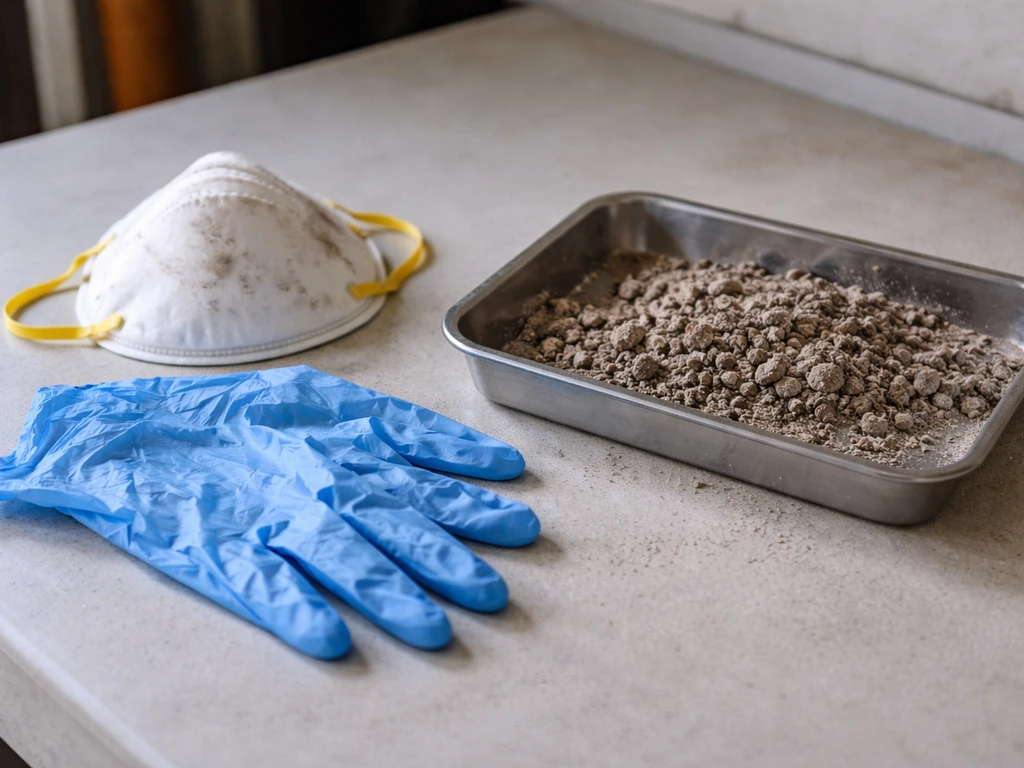
This isn't fear-mongering, bird droppings carry genuine health risks, especially when they're old, dry, and disturbed. The big ones are:
- Histoplasmosis: A fungal lung infection caused by Histoplasma, which thrives in bird (and bat) droppings. The CDC is explicit that inhaling fungal spores from disturbed, contaminated material is how people get infected. Dry sweeping or vacuuming droppings without precautions is one of the worst things you can do — it sends spores airborne directly into your breathing zone.
- Cryptococcosis: Another fungal infection associated specifically with pigeon droppings, as the CDC's infection control guidance notes. It's rare in healthy adults but more serious for immunocompromised individuals.
- Psittacosis (Chlamydiosis): A bacterial infection that can be spread through dried droppings or respiratory secretions from infected birds. Pet bird owners should be aware of this one particularly.
- Respiratory irritation and allergies: Even without active infection, dried bird dropping dust is an irritant. It can trigger asthma, aggravate existing respiratory conditions, and cause eye and throat irritation.
- Salmonella: Found in the droppings of some birds, particularly if the material contaminates food prep surfaces.
Your risk level scales with the amount of material, how long it's been there, how enclosed the space is, and whether you disturb it without precautions. A single fresh dropping on a windowsill is a very different situation from a pigeon colony's worth of buildup in a sealed attic that hasn't been ventilated in years. Take the latter seriously.
How to clean it up safely today
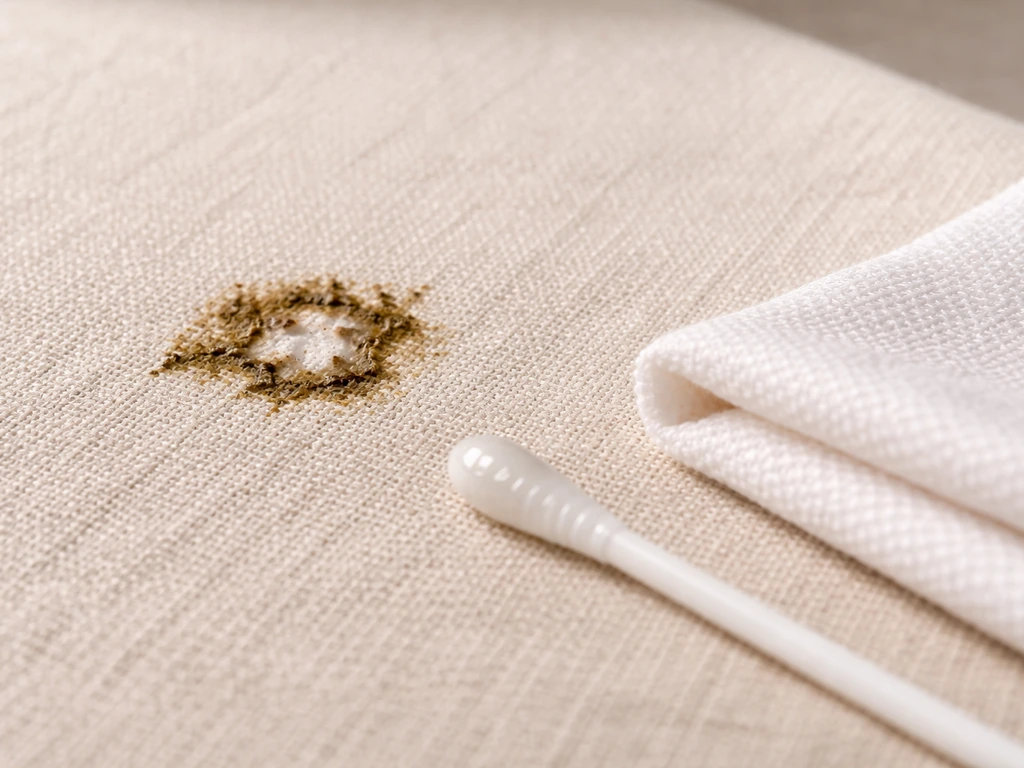
Before you do anything else, gear up properly. For any significant cleanup, more than a few spots, you need an N95 or better respirator (not just a paper dust mask), disposable gloves, eye protection, and disposable coveralls or clothes you can wash immediately afterward. If bird poop gets on fabric, it can leave stubborn stains, so treat the spot quickly and follow safe cleaning steps bird poop stains clothes. Open windows for ventilation but position yourself so airflow doesn't push disturbed particles toward you. If bird droppings get onto washable items, you may wonder does bird poop come out in the wash and what steps you should take first.
- Never dry sweep or vacuum without a HEPA filter. The CDC and NIOSH are clear on this: dry handling aerosolizes spores and bacteria directly. Put the broom away.
- Wet the material down first. Use a spray bottle to thoroughly saturate droppings with a disinfectant solution — a diluted bleach solution (roughly 1 part bleach to 9 parts water) works well. The CDC's guidance on rodent and contamination cleanup calls for material to be very wet before you attempt to pick it up. This suppresses dust and kills pathogens.
- Let it soak for 5 to 10 minutes. Give the disinfectant time to work before you start wiping.
- Wipe or scrape the material into a heavy-duty plastic bag. Use paper towels or disposable cloths — not rags you plan to reuse. Double-bag the waste before tying and disposing of it in an outdoor bin.
- Clean the surface with detergent and water. The EPA's guidance is clear: disinfectants work best after visible contamination is removed. Scrub with a cleaning solution, rinse, then apply disinfectant again and let it air dry.
- Wash your hands thoroughly and shower if you've been in a heavily contaminated area. Bag and wash any clothing immediately on the hottest cycle the fabric allows.
Porous vs. non-porous surfaces
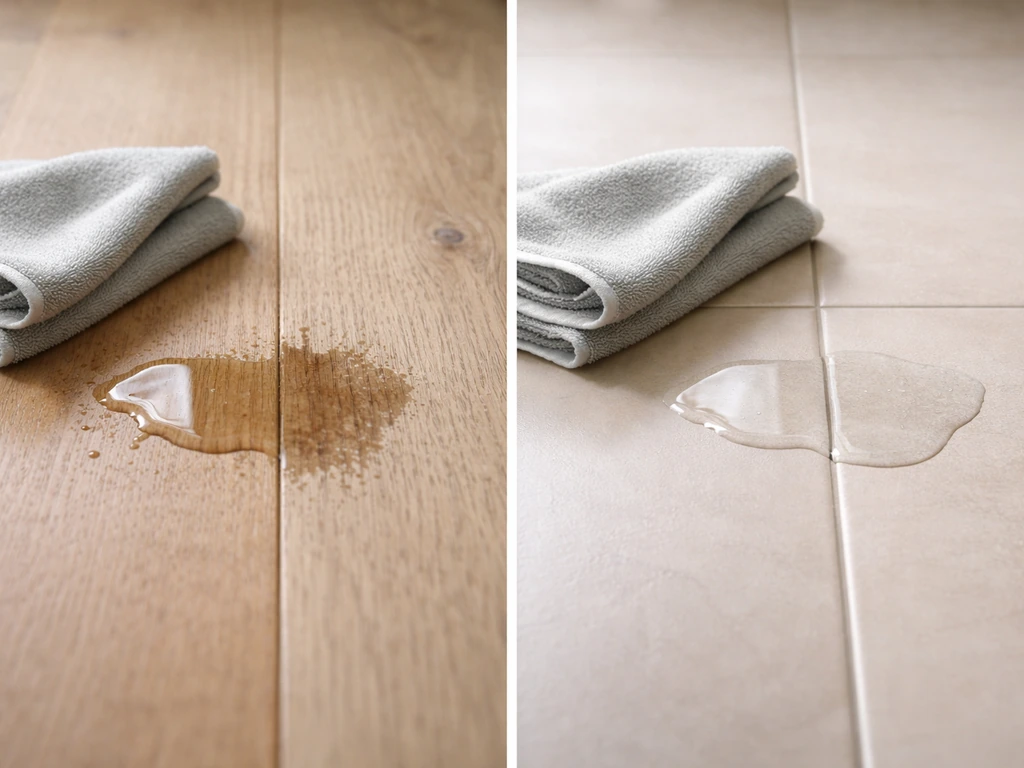
Hard, non-porous surfaces like tile, glass, metal, and sealed wood are easier to fully decontaminate using the wet-and-wipe method above. Porous materials, think unfinished wood, insulation, drywall, fabric, or carpet, are a different story. Will dry cleaning remove bird poop from clothes and other fabrics? Usually not, because porous material can hold onto contamination and the odor-driving uric acid until it is properly treated. Droppings can soak into them and are nearly impossible to fully disinfect. The EPA's guidance on contaminated porous materials leans toward removal and replacement when contamination is significant, rather than trying to clean in place. If the attic insulation is heavily soiled, it generally needs to come out.
Getting rid of the smell: what actually works
Once the physical material is removed and surfaces are disinfected, the odor should drop significantly. But if the smell has had time to penetrate walls, wood, or HVAC components, you'll need to go further.
| Approach | What it does | Works on | Notes |
|---|---|---|---|
| Enzymatic cleaners (e.g., Nature's Miracle, Bio-One) | Break down uric acid and organic compounds at the molecular level | Surfaces, some porous materials, subflooring | Best option for residual ammonia smell after visible droppings are removed; let it soak and air dry |
| White vinegar solution | Mild acid that neutralizes alkaline ammonia odors | Hard surfaces, fabric | Good for smaller jobs; dilute 50/50 with water; smell dissipates as it dries |
| Baking soda | Absorbs odors passively | Carpets, soft furnishings | Sprinkle, leave for several hours, then vacuum with HEPA; not a disinfectant |
| Activated charcoal or odor absorbers | Trap airborne odor molecules | Room/area deodorizing | Place in affected area for a few days; good for lingering background smell |
| Air purifier with HEPA + activated carbon filter | Filters particles and absorbs gaseous odors | Room air | Run continuously until smell clears; especially useful after attic or vent contamination |
| Bleach solution | Disinfects and deodorizes simultaneously | Non-porous hard surfaces only | Do NOT use on porous surfaces or mix with ammonia-based cleaners — creates toxic gas |
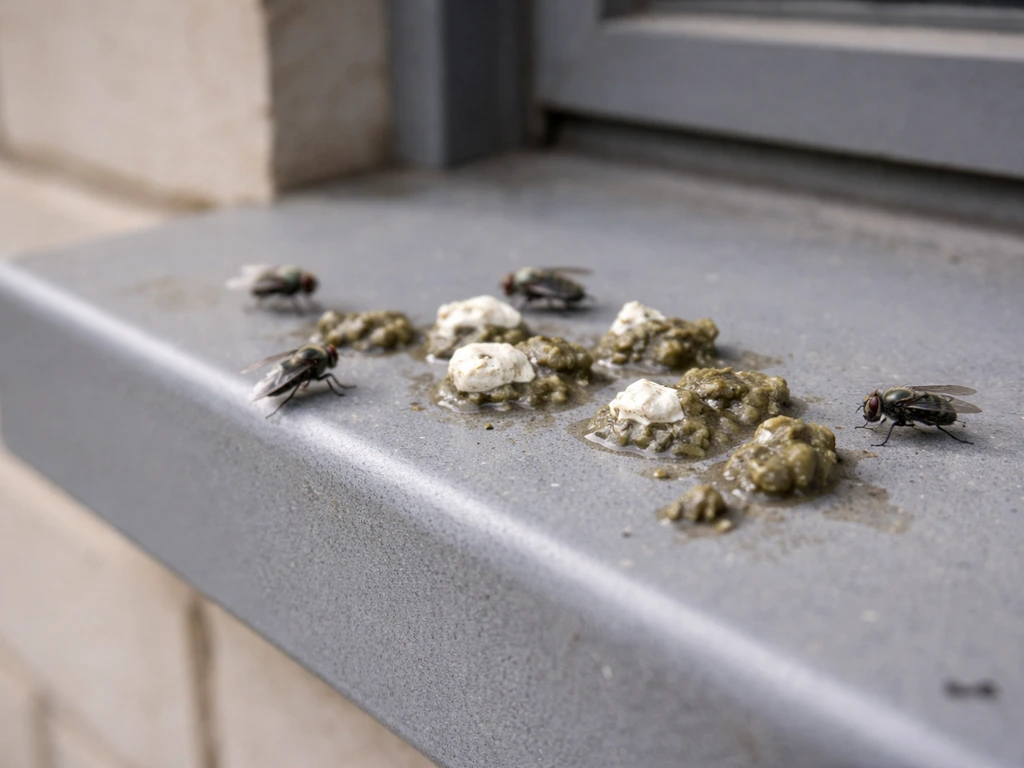
One thing to avoid: air fresheners and scented sprays. They mask the odor temporarily but don't deal with the underlying source. If you still smell ammonia after you've sprayed half a can of lavender mist, it just means there are still droppings or contaminated material somewhere. Enzymatic cleaners are the real workhorse here because they chemically break down the uric acid causing the smell rather than covering it up. Bird droppings can attract flies, especially when they are fresh or left to accumulate, because the waste provides a food source for insects Enzymatic cleaners are the real workhorse here because they chemically break down the uric acid causing the smell rather than covering it up..
If the smell is coming from ductwork, you'll need a professional HVAC cleaning service. Running contaminated air through your home repeatedly makes the odor (and health risk) worse, not better.
A quick note on the 'good luck' angle
If you've heard the superstition that bird poop is good luck, yes, it exists across several cultures, particularly when a bird poops on you or your property. The origin is likely rooted in the idea that getting hit by something so random is a statistically rare event, so it must be fate smiling at you. It's a fun piece of folklore, and some people genuinely find comfort in it. That said, when you're dealing with a house full of ammonia smell and the very real possibility of histoplasmosis spores in your attic insulation, the good-luck framing probably isn't top of mind. Clean it up safely first, then feel lucky later.
When to call a professional or see a doctor
Some situations genuinely exceed DIY territory. Call a professional wildlife removal or remediation service if:
- You have an active roost or colony in your attic, crawlspace, or walls — removing birds and their waste from these spaces is specialized work, and in many areas certain bird species are federally protected, meaning you can't just remove them yourself.
- The accumulation is large (measured in inches of depth, not spots) — at that scale the spore load is high enough that even with PPE, professional-grade containment and HEPA negative air pressure equipment is appropriate.
- The contamination involves your HVAC or ductwork — a contaminated air system needs professional cleaning, not a DIY duct wipe-down.
- The smell persists for days after you've cleaned what you can find — it means the source is hidden somewhere you haven't identified yet.
- The affected material is structural (attic joists, roof decking, insulation) — remediation companies can assess whether materials need replacement.
See a doctor if you develop flu-like symptoms, fever, chest pain, or a persistent cough within two weeks of cleaning up a significant accumulation of droppings. The CDC notes that Histoplasma is found in soil and that bird and bat droppings can be a source, and breathing in fungal spores from disturbed contaminated material can cause lung infection blank" rel="noopener noreferrer">Histoplasma is found in soil and bird or bat droppings can be a source. Histoplasmosis and cryptococcosis can look like a bad cold or flu at first. CDC infection-control guidance notes that pigeon droppings or roosts are associated with fungi such as Histoplasma and Cryptococcus blank" rel="noopener noreferrer">Histoplasmosis and cryptococcosis. Tell your doctor about the exposure so they know what to look for. Most healthy adults clear mild histoplasmosis without treatment, but it's worth knowing what you're dealing with rather than waiting it out blindly.
How to stop birds from coming back
Cleaning up is only half the job. If you don't address why birds were there in the first place, you'll be doing this again. The CDC and pest control consensus is clear: preventing droppings from accumulating is always better than cleaning up after the fact.
- Seal entry points: Inspect your roofline, soffits, vents, and chimney for gaps bigger than half an inch. Use hardware cloth or steel mesh to seal openings while making sure you don't trap any birds inside. Cap your chimney with a purpose-built chimney cap with mesh.
- Install physical deterrents on roosting spots: Bird spikes on ledges, balcony railings, and window sills prevent birds from landing and settling. Netting stretched across larger areas (like under eaves or across a balcony) is highly effective for pigeons and larger birds.
- Remove food and water sources: Unsecured garbage, open compost, pet food left outside, and bird feeders all attract birds. If you're dealing with an indoor problem, reducing what's drawing them to your property matters.
- Use visual deterrents: Reflective tape, predator decoy owls (moved regularly so birds don't habituate), or predator eye balloons can deter some species, though birds do wise up to static decoys over time.
- Check pet bird cage hygiene: If your bird poop smell is coming from a pet bird, establish a daily cleaning routine — spot clean the cage tray daily and do a full disinfecting clean weekly. Lined trays make this much easier.
- Schedule regular attic and vent inspections: Once a year, check any enclosed spaces where birds could get in. Catching a small nest early is infinitely easier than dealing with a multi-year roost buildup.
The smell of bird droppings in a house is one of those problems that gets worse the longer you wait. Fresh droppings are annoying. Old, accumulated droppings are a health hazard and a major cleaning project. If you've identified the source, gear up, wet it down, clean it out properly, follow up with an enzymatic cleaner for the residual odor, and then seal off whatever let the birds in. That's the whole job.
FAQ
How long does it take for the ammonia smell to go away after cleaning bird droppings?
If the source is fully removed and the surface is treated, the sharp ammonia note usually drops within a few hours to a day. If you still smell it after 24 to 48 hours, it often means residue remains in porous materials (drywall, wood, insulation) or odor is trapped in HVAC components, and you may need deeper cleaning or partial removal.
If the droppings are fresh, do I still need an N95 or can I use a dust mask?
For small, isolated spots you can often use better-than-nothing protection, but for any buildup, dried material, or work in enclosed areas (attic, behind vents), use an N95 or better respirator, not a paper dust mask. Dry droppings can kick up particles that increase inhalation risk when disturbed.
Should I wet the droppings first, or is it better to wipe them dry to avoid spreading odor?
Wet first is usually the safer approach because it helps keep dust and dried residue from aerosolizing. Spray or apply cleaner gently, let it soak briefly, then wipe from the outside toward the center, disposing of materials right away so you do not smear contamination.
Why does the smell get worse after I clean but before it gets better?
Often the smell increases temporarily because disturbed residue and cleaner vapors mix, or because odor trapped in cracks and porous areas is being released. That is a cue to check nearby seams, edges, and surrounding surfaces rather than immediately masking with fragrance.
Can I use bleach to disinfect bird poop and remove the odor?
Bleach can disinfect some surfaces, but it is not a good deodorizer for uric-acid based odors, and mixing it with other cleaners can create dangerous fumes. For odor control, enzymatic cleaners are the key step after removal, and disinfecting should be limited to what is appropriate for the surface type.
What if bird droppings are on carpets or in upholstery, can I just deodorize?
If droppings have soaked into fibers or padding, deodorizing alone rarely solves the problem. For significant contamination, you may need professional extraction with the right treatment, or padding removal, and in many cases replacement is recommended because odor-driving compounds can persist even after spot cleaning.
How do I tell whether the smell is coming from HVAC ducts versus a roofline roost?
If the odor is strongest near supply vents, returns, or after the system runs, ductwork or vent cavities are suspect. If smell is localized in a specific corner, attic sections, or around eaves, the source is more likely exterior access points. In practice, you often need to inspect both, starting with the highest-likelihood areas near rooflines and vents.
What should I do with droppings on clothing or bedding that I cannot fully remove?
Don’t throw them into a hamper dry if you can avoid it, bag the items first. Pre-treat the affected area promptly using an appropriate cleaner for the fabric, then wash according to care labels. If the odor remains after washing, treat again rather than drying, because heat can set stains and make odor harder to remove.
Do bird droppings always contain disease, and when should I see a doctor?
Risk rises with large amounts, long-dried material, and enclosed spaces where particles are disturbed. Seek medical care if you develop flu-like symptoms, fever, chest pain, or persistent cough within two weeks after cleaning a significant accumulation, and mention bird exposure so clinicians can consider fungal lung infections.
What is the best way to keep birds from returning after cleanup?
Cleanup is only temporary unless you remove access. Seal entry points under eaves and around vents, fix gaps, and use exclusion methods that prevent roosting. After sealing, also remove attractants like food sources, and schedule a follow-up inspection to confirm birds cannot re-enter.
Should I run the HVAC fan to “air out” the house while cleaning?
Avoid running contaminated air through the system if you suspect droppings are in ducts or near HVAC intakes. Ventilation helps, but if the odor is tied to ductwork, turning the system on can spread particles and worsen the smell, so consider turning it off until the source is resolved.